Children + Screen Harm
We're Not Raising a Screen Generation
We are manufacturing a public health crisis, then asking parents to manage it alone.
Let's stop softening the language.
When a leading UK doctor calls excessive screen use “the most urgent public health issue” facing children, that is not a casual opinion. It is a warning.
That line comes from a recent Guardian interview with Dr Rangan Chatterjee, where he argued that failure to regulate big tech is failing a generation of children.
You do not have to agree with every proposed solution to recognise the seriousness of the signal.
This Is No Longer About “Too Much Screen Time”
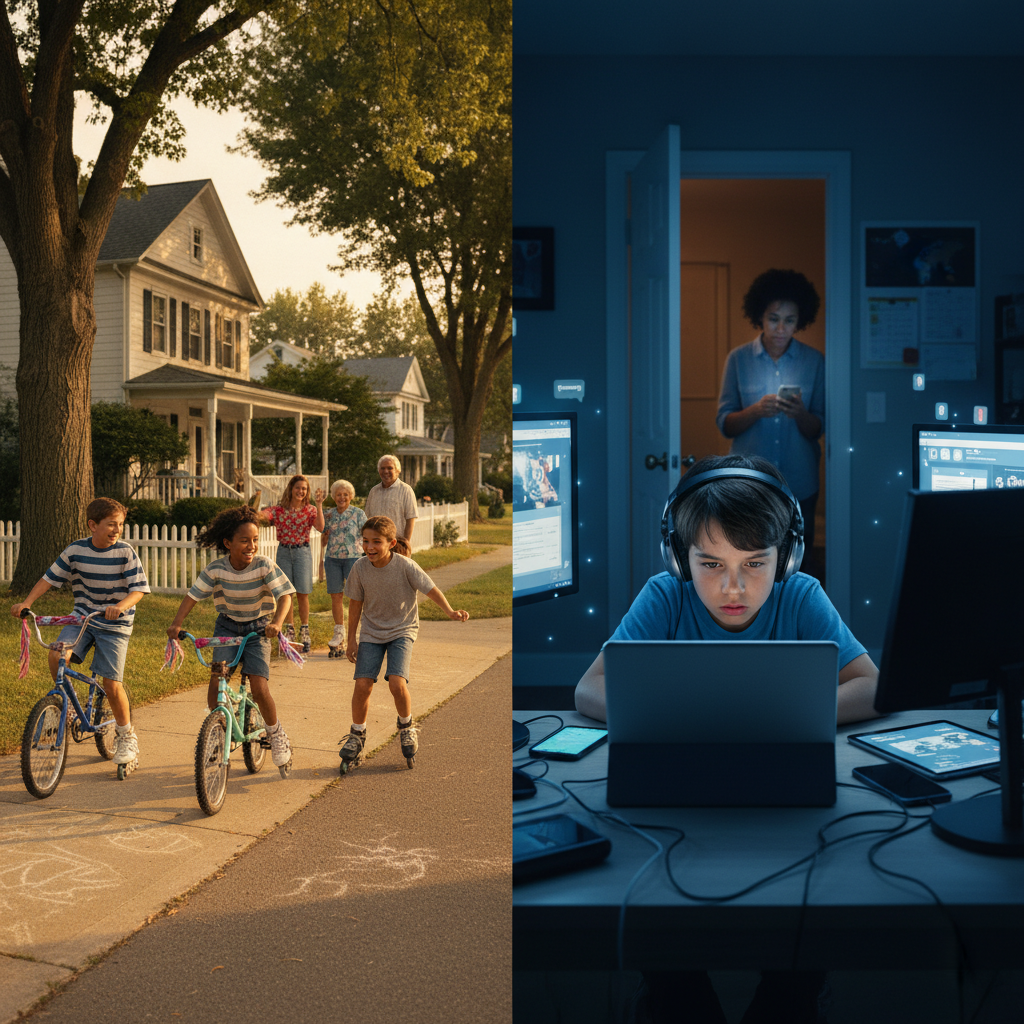
That phrase now feels almost trivial, like we are talking about children watching a bit too much television.
We are not.
We are talking about rising concern around anxiety, depression, disrupted sleep, reduced attention, social withdrawal, body image, harmful content, and addictive design. At scale. Across countries. Across cultures. Across income levels.
This is not just a lifestyle issue. It is becoming a public health issue.
A System Designed to Override Self-Control
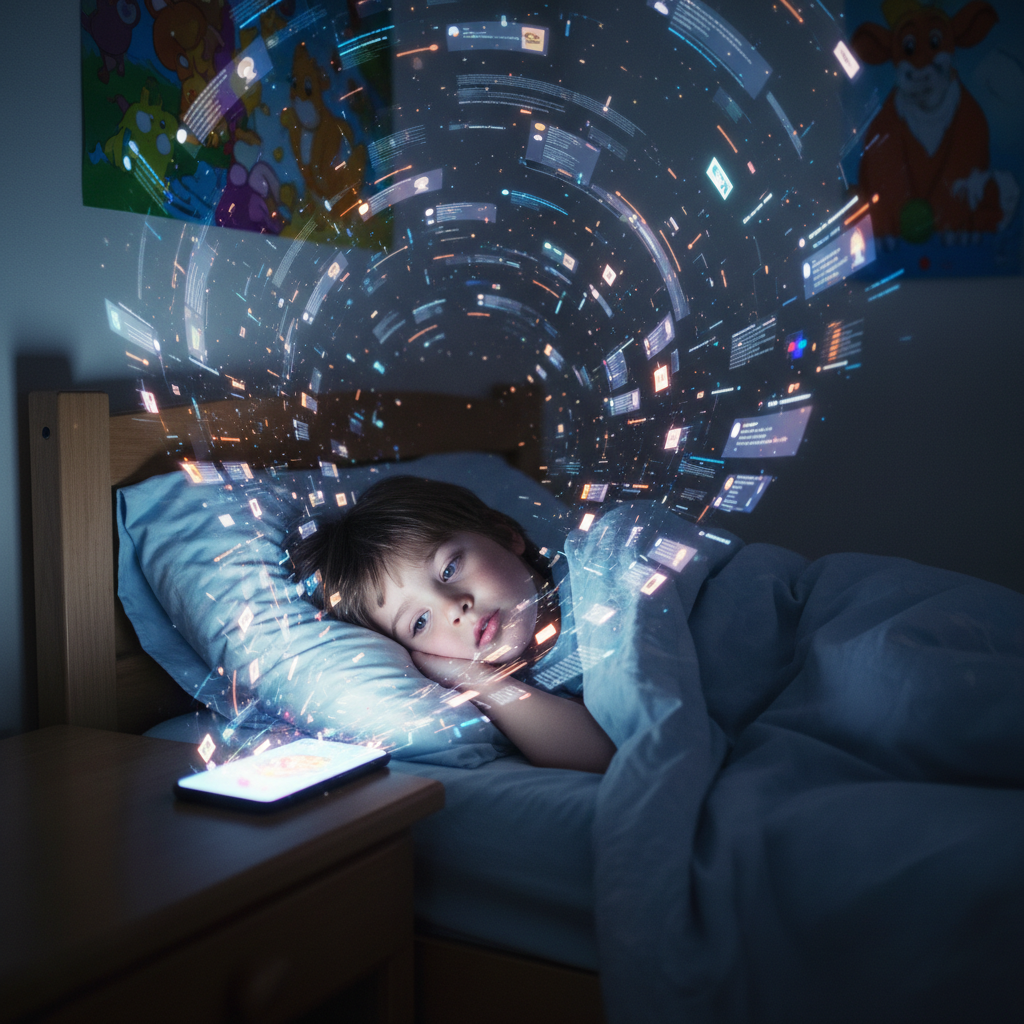
Here is the part we still struggle to say clearly: children are not simply choosing to spend hours on screens.
They are being pulled into systems engineered to make stopping difficult.
- Infinite scroll.
- Endless autoplay.
- Variable rewards.
- Algorithmic recommendations.
- Notifications designed to pull attention back.
These are not neutral features. They are behavioural design strategies. And we have made them accessible, portable, personalised, and constant.
The Developing Brain Has No Defence
Adults like to believe they are in control. Many are not. Children stand even less chance.
The brain systems involved in impulse control, delayed gratification, risk assessment, and emotional regulation continue developing into early adulthood. So when a child struggles to “just put the phone down,” that is not simply weakness.
It is biology meeting design and losing.
From Individual Habit to Collective Harm
This is where the conversation shifts from personal responsibility to public health.
When millions of children are sleeping less, concentrating less, moving less, and connecting less in real life, the effects do not stay individual. They accumulate.
They reshape classrooms. They strain families. They enter clinics. They alter how children think, feel, relate, and regulate themselves.
That is the definition of a public health concern.
The Evidence Is No Longer Easy to Dismiss
The evidence is complex. Not every screen is harmful. Not every child is affected the same way. But the pattern is now serious enough for major health bodies to respond.
The U.S. Surgeon General's advisory on social media and youth mental health warned that adolescents spending more than three hours a day on social media face double the risk of mental health problems, including symptoms of depression and anxiety.
The World Health Organization has issued guidance for young children that links screen-based sedentary time with the broader need for sleep, movement, and healthy development.
A 2024 systematic review with meta-analyses in the Journal of Affective Disorders found that problematic social media use was associated with depression, anxiety, sleep problems, and lower wellbeing.
Why the Idea of a Social Media Ban Is Gaining Ground
A few years ago, banning social media for children would have sounded extreme. Now, restrictions are entering mainstream policy conversations.
The UK government has been consulting on stronger measures around children and social media, while public-health leaders are increasingly calling for action. The Royal College of Surgeons of Edinburgh, for example, has welcomed UK consultation around a proposed under-16 social media ban, citing health risks from unrestricted content and excessive screen time.
This does not mean every ban proposal is automatically right. Age verification, privacy, enforcement, and unintended consequences matter. But the direction is clear: society is no longer treating this as a purely private parenting issue.
The Industry We Are Afraid to Confront
There is an uncomfortable tension at the heart of this issue. The same platforms raising concern are economically powerful, culturally dominant, and deeply embedded in everyday life.
They are not fringe influences. They are infrastructure.
That makes regulation harder because we are not just asking, “Is this harmful?” We are asking, “Are we willing to disrupt something we have become dependent on?”
Parents Were Left to Fight a System They Cannot Win Alone
For years, responsibility was quietly shifted onto families.
- Set limits.
- Monitor usage.
- Have conversations.
- Use parental controls.
All important. All insufficient.
One parent setting rules at home is competing with a global system optimised by billions in research, design, testing, and behavioural data. That is not a fair contest.
Child
Developing self-control and emotional regulation
Platform
Designed to maximise attention, return visits, and time-on-platform
Parent
Expected to manage the entire conflict alone
Education Was the First Battleground. Health Is the Next.
We started by asking: is screen use affecting learning?
Now we are asking: is it affecting mental health, sleep, attention, eyesight, social development, and emotional regulation?
The trajectory is clear. This is no longer contained within classrooms. It is moving into clinics, policy, law, and public-health debate.

The Question That Will Define the Next Decade
We are approaching a point where society has to decide whether excessive screen exposure is a personal choice or a regulated risk.
Because we cannot keep calling something harmful while simultaneously treating it as inevitable.
Final Thought
We have age restrictions for alcohol, tobacco, and gambling because they affect developing minds and carry long-term consequences.
Now consider this: children have been given access to systems designed to capture attention, shape behaviour, and influence emotion for hours a day.
Only now are we beginning to ask whether that might be a problem.
This is not about being anti-technology. It is about refusing to let childhood become collateral damage.