Modern Childhood
Raising Children in 2026
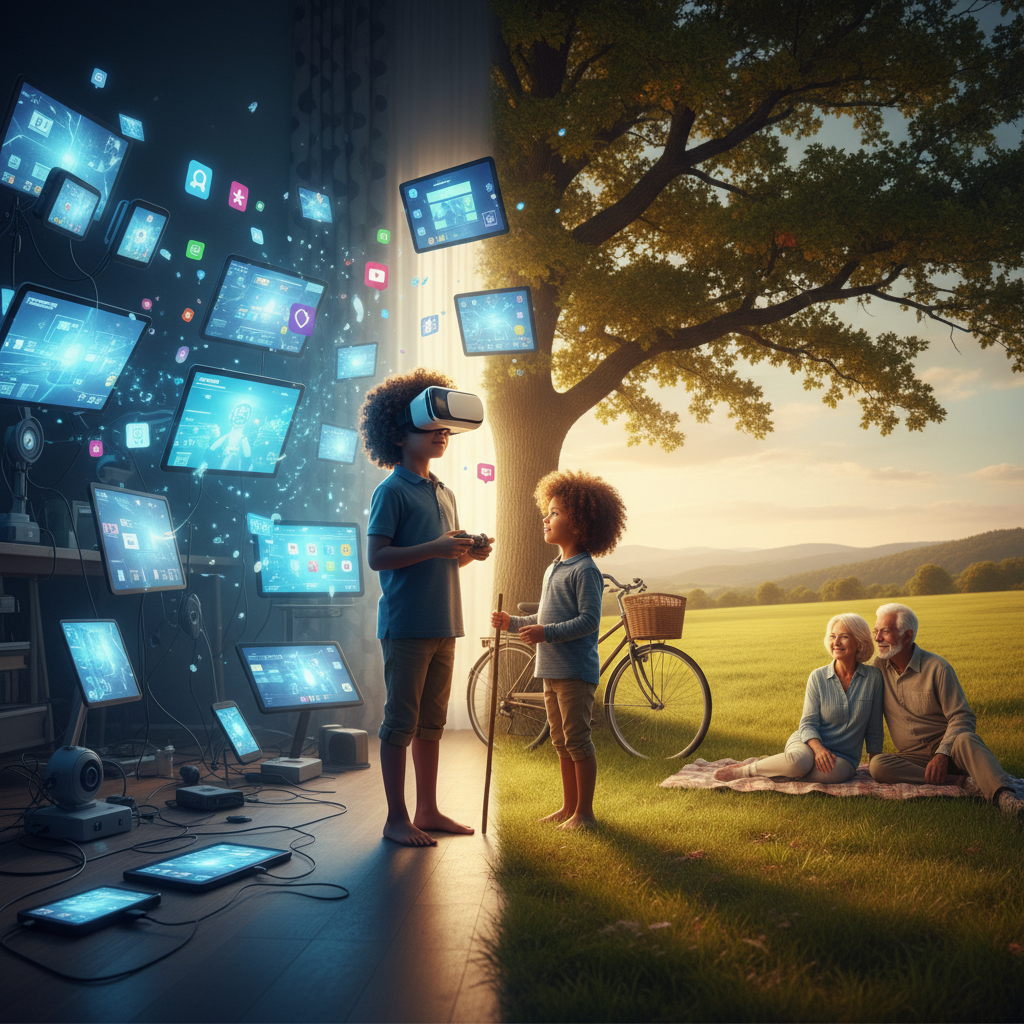
We did not just change childhood. We replaced it.
Take a moment. Really think about it.
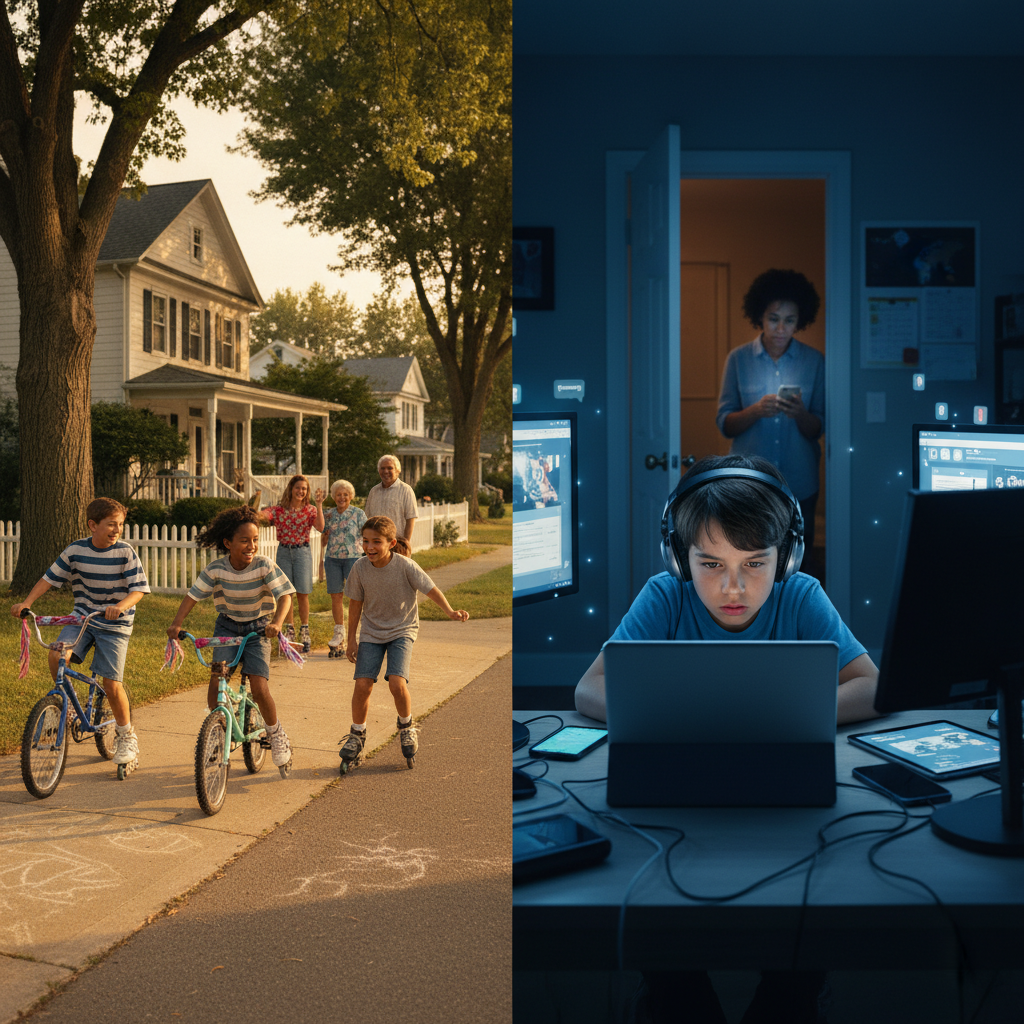
Thirty years ago, what did an ordinary day look like for many children?
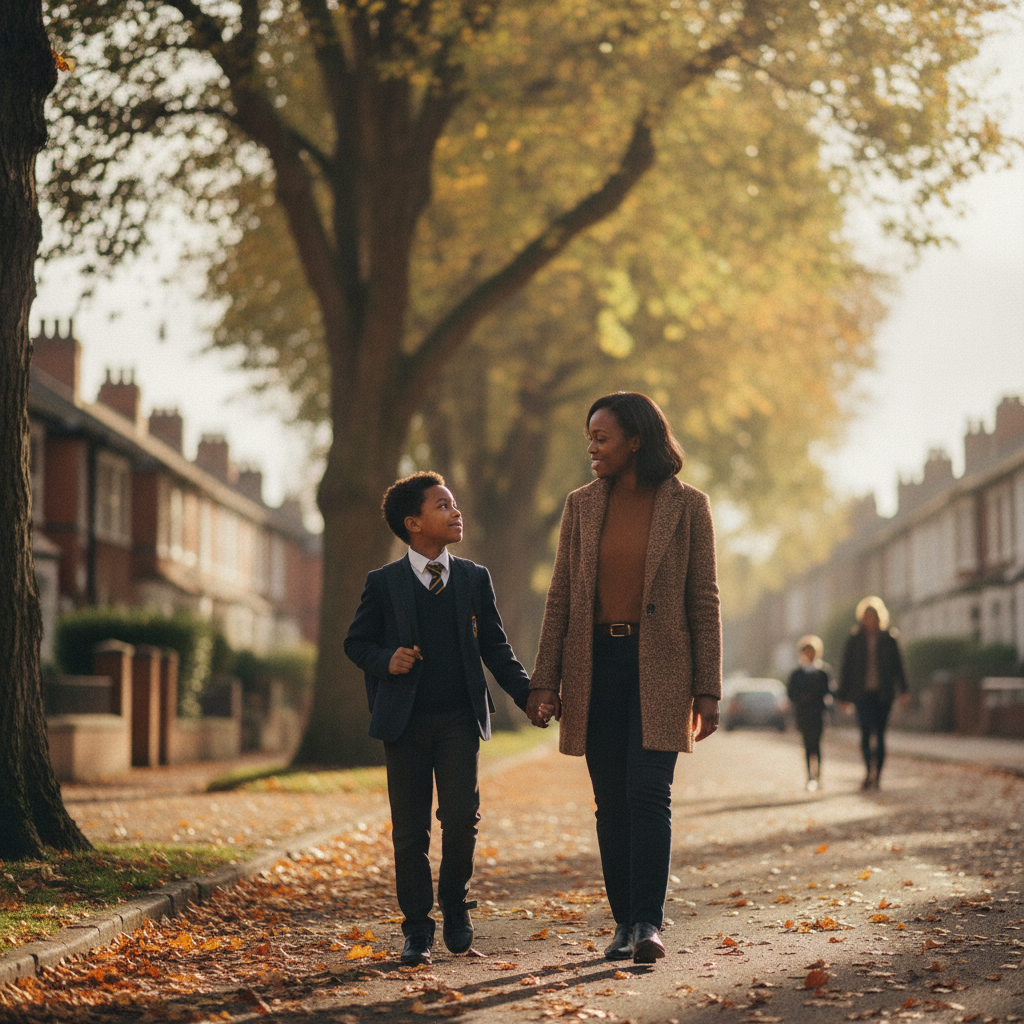
You came home from school. Dropped your bag. Went outside. Rode a bike. Knocked on a neighbour's door. Visited grandparents who were more likely to be retired, available, and woven into daily life.
No notifications. No endless scroll. No pressure to optimise every hour.
Just life.
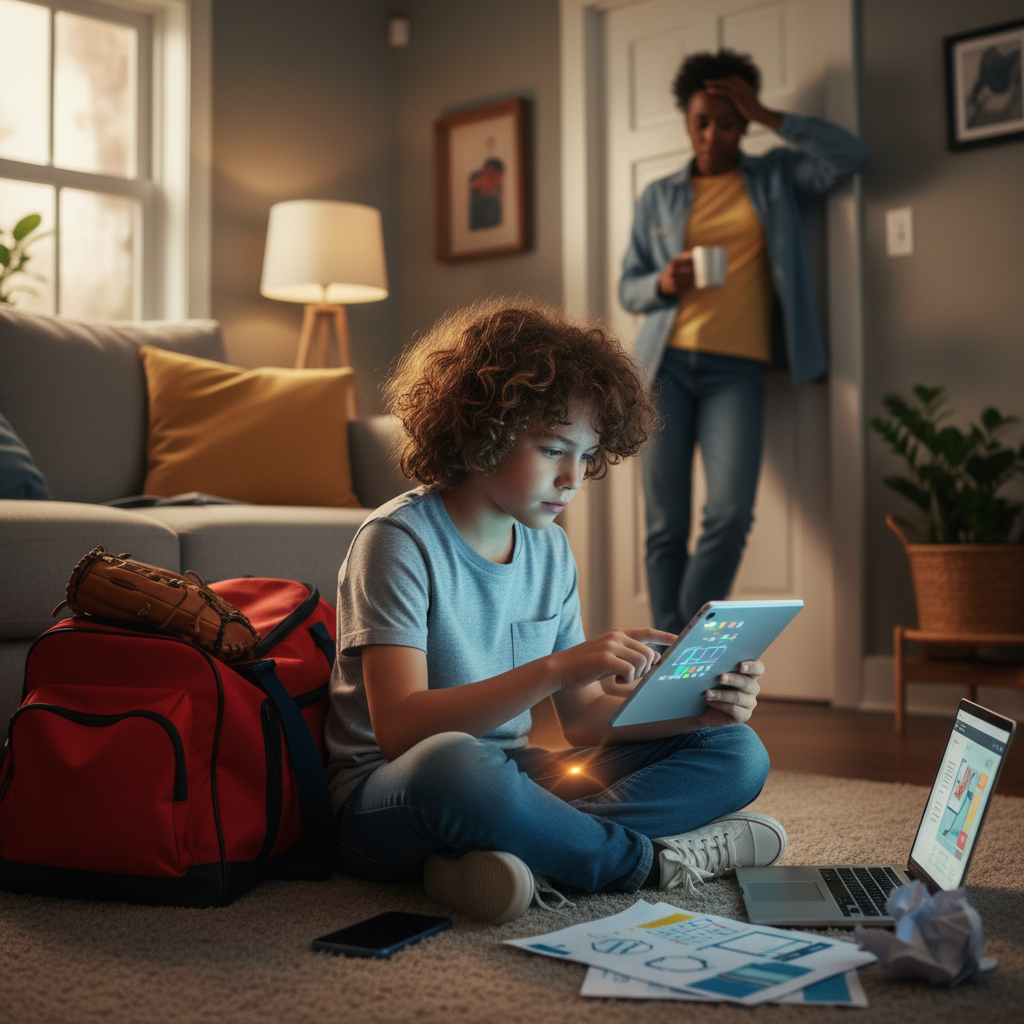
Now look at today. Children come home to screens, structured activities, tired parents, homework that often lives online, and a world that never switches off.
This Is Not Just Change. It Is Replacement.
We did not simply tweak childhood. We rebuilt it around speed, pressure, performance, adult anxiety, and constant connection.
And we are only just starting to realise what that has done.
Then vs Now: A Reality Check
| Childhood Then | Childhood Now |
|---|---|
| Played outside for long stretches, often unsupervised | Daily screen media can run for many hours, especially among teens |
| Boredom often became creativity, games, and imagination | Boredom is often removed instantly through scrolling, gaming, or video |
| Local communities were more visible and familiar | Social connection is constant online, but isolation can still increase |
| Grandparents were often more available and integrated | Older adults are working longer, families live further apart, and support is thinner |
| Home routines were less digitally interrupted | Homework, communication, entertainment, and social life often happen on the same device |
| Parents had clearer boundaries and less incoming noise | Parents are expected to be constantly responsive, informed, and emotionally available |
| Deep reading was more normal | Reading performance has declined sharply across OECD countries in recent PISA data |
| Limited information encouraged slower processing | Infinite information encourages scanning, skipping, and shallow consumption |
| Free play built resilience through real-world trial and error | Structured lives can leave less space for risk, boredom, and self-direction |
The Stats That Should Make You Pause
In the U.S., Common Sense Media found that daily screen media use rose from 7 hours 22 minutes to 8 hours 39 minutes among teens between 2019 and 2021, not including screen use for school or homework.
The OECD PISA 2022 results reported unprecedented declines between 2018 and 2022, including an average ten-point fall in reading across OECD countries.
And the OECD's 2026 report on child, adolescent, and youth mental health says mental health among children, adolescents, and young adults has worsened over the past decade across most OECD countries.
This is not nostalgia talking. This is measurable change.
The question is not whether childhood has changed. The question is whether children were built for the version we created.
What We Lost and Did Not Notice
We removed boredom. But we also removed imagination, patience, and the ability to sit with discomfort.
We increased connection. But we reduced presence, depth of relationships, and real-world interaction.
We gave children more. More information. More stimulation. More access. More choice.
But in some ways, they are carrying more than ever.
Parents: The Hidden Shift
Thirty years ago, parenting was demanding, but more contained. Today, parents are expected to be emotionally available, academically supportive, digitally aware, constantly responsive, nutritionally informed, socially vigilant, and financially stable.
All while working longer, dealing with higher costs of living, managing their own burnout, and trying to regulate technology they themselves were never trained to manage.
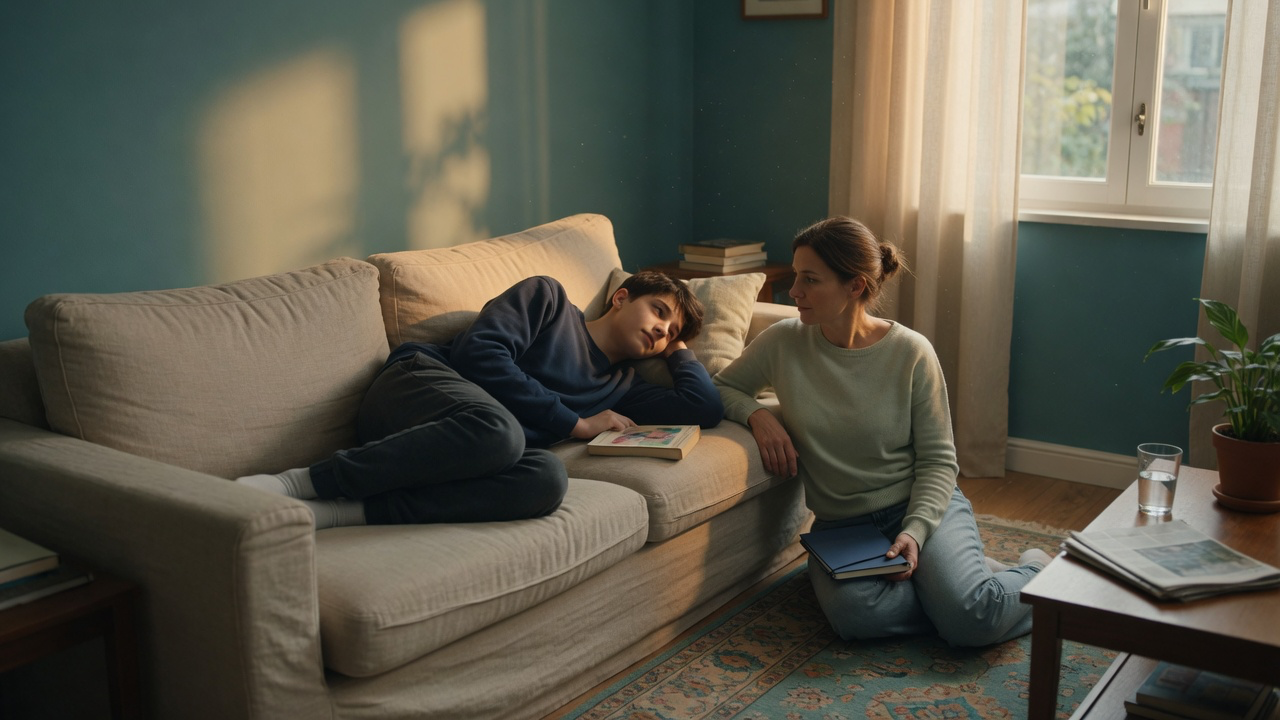
Children are not the only ones overwhelmed. Parents are too.
The Grandparent Gap No One Talks About
Once, grandparents were often more available, involved, and part of daily life. Not always. Not for every family. But more often than today.
Now many are still working, living further away, or less integrated into family routines. OECD data on older workers shows that employment among older workers has become a major labour-market issue, with many people aged 55-64 remaining in work and highly skilled older adults staying employed longer.
We did not just lose support. We lost intergenerational connection. And that matters more than we admit.
School: The Same System, a Different Child
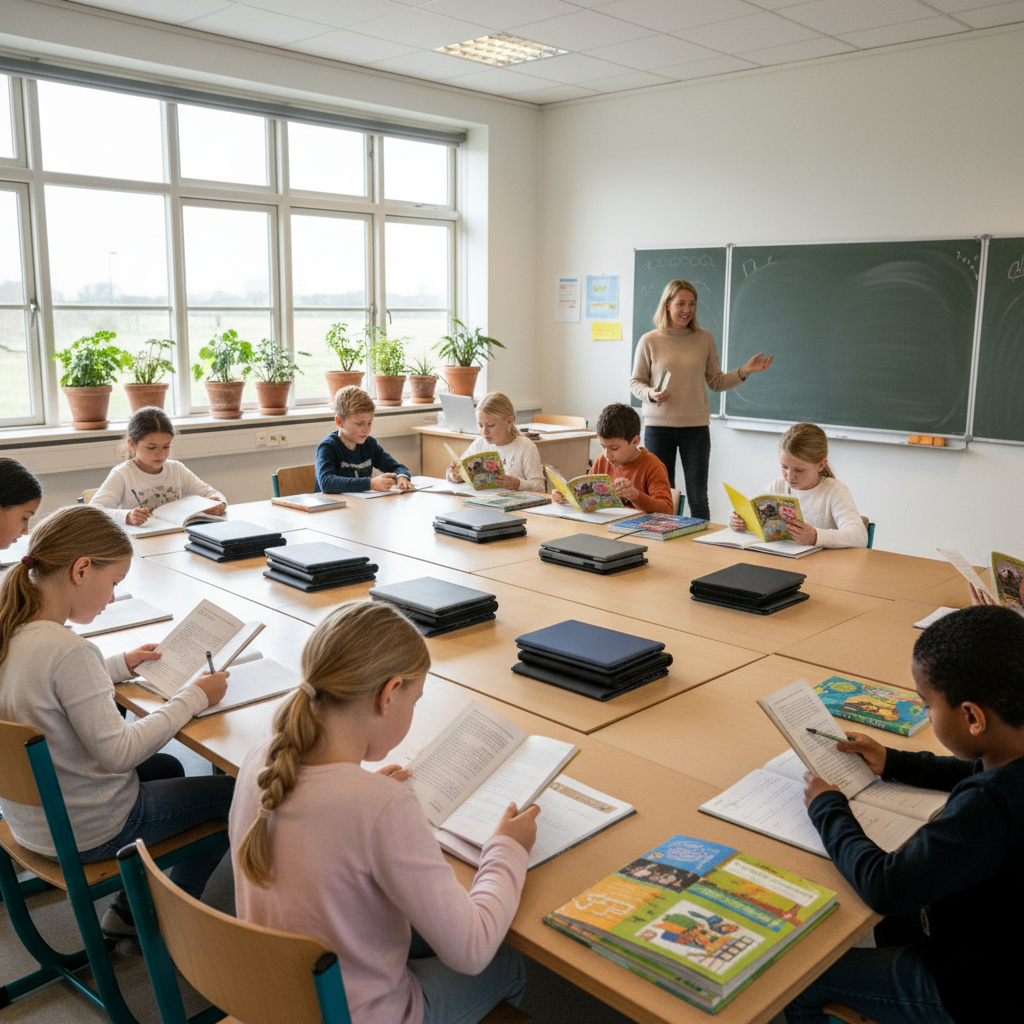
Here is the real tension. Schools still expect focus, discipline, sustained effort, delayed gratification, reading stamina, and emotional regulation.
But the child arriving at school today is more stimulated, more distracted, more emotionally stretched, and often less accustomed to boredom or slow effort.
So we have a mismatch.
And too often we ask: why can't they cope like we did?
Instead of asking: what environment are they coping with?
Respect, Resilience, and Reality
There was a time when teachers were more broadly trusted, parents set firmer boundaries, and effort was expected as part of life. Not perfectly. Not universally. But broadly.
Today, things feel different: more negotiation, more pushback, more emotional pressure, and more fear of children being unhappy.
Somewhere along the way, we may have blurred the line between supporting children and removing the very challenges that build them.
Support
Helping a child feel safe enough to try
Overprotection
Removing every discomfort before they can grow through it
Resilience
Built through manageable struggle, not constant rescue
The Hard Truth
This is not about blaming technology, schools, parents, or children.
It is about recognising this: we created an environment that is faster, louder, more stimulating, more demanding, and more emotionally complex than ever before.
Then we expected children to navigate it without consequence.
So What Now?
We cannot go back to the 1990s. And we should not pretend everything about the past was better.
But we can ask better questions:
- Do children need more stimulation, or more space?
- More structure, or more freedom?
- More support, or more resilience?
- More optimisation, or more ordinary life?
- More digital access, or stronger boundaries?
Final Thought
If a child today struggles to focus, read deeply, manage pressure, tolerate boredom, or cope with ordinary demands, it is easy to see it as a personal issue.
But what if it is not?
What if it is a perfectly logical response to a world that never slows down?
Because when you really look at it, we did not just raise children differently. We changed the conditions of childhood itself.
A child struggling in 2026 may not be failing childhood. They may be reacting to the version of childhood we built.