Reading Tech Guide
The Truth About Reading Apps: What Parents Need to Know Before You Download
There are thousands of reading apps. Far fewer are actually built around how children learn to read.

If your child is struggling to read, it is completely natural to turn to apps for help. The problem is not that apps exist. The problem is that many are not built properly.
Parents are often promised fast results, fun learning, and proven methods. But many apps are better at looking educational than actually teaching reading well.
First, a Reality Check
A 2025 expert appraisal reviewed 309 phonics and phonological-awareness apps and recommended only 85 of them. That gap matters because children who are already struggling do not just need more practice. They need the right kind of instruction.
The goal is not more apps. The goal is the right type of app.
The Hidden Problem With Most Reading Apps
The app market is flooded, but quality is not. Many reading apps focus more on entertainment than learning, skip structured phonics, encourage guessing instead of decoding, and provide very little real progression or useful feedback.
What this means in real terms is simple: a child may look engaged but still not be learning to read properly.
What Science Says About Learning to Read
Reading is not something children simply pick up the way they learn to speak. It depends on understanding letter-sound relationships, recognising patterns in words, and practising decoding again and again. That is the foundation behind what is often called the science of reading.
Apps that do not follow that structure are unlikely to help a struggling reader and may even reinforce poor habits.

The Biggest Mistake Parents Make
It is easy to assume that if a child enjoys an app, it must be helping. But enjoyment is not the same as progress. Many popular apps rely heavily on pictures, context clues, guessing strategies, and speed-based rewards rather than proper reading instruction.
The result is that children can appear busy while quietly building habits that make real reading harder later on.
What to Look For in a Good Reading App
1. Structured phonics
Sounds taught step by step, building from simple to more complex.
2. Built-in repetition
Skills revisited often enough to stick.
3. Immediate feedback
Mistakes corrected clearly rather than ignored.
4. Clear progression
Learning moves forward in stages without skipping foundations.
Apps Worth Considering
A few names consistently stand out because they follow how children actually learn to read:
- Lexia Core5 for targeted reading support
- Reading Eggs for structured step-by-step reading development
- Teach Your Monster to Read for phonics through play
- Duolingo ABC for simple early-reading practice
- AI-based reading tutors that provide real-time correction and support
The Parent Role Is the Game-Changer
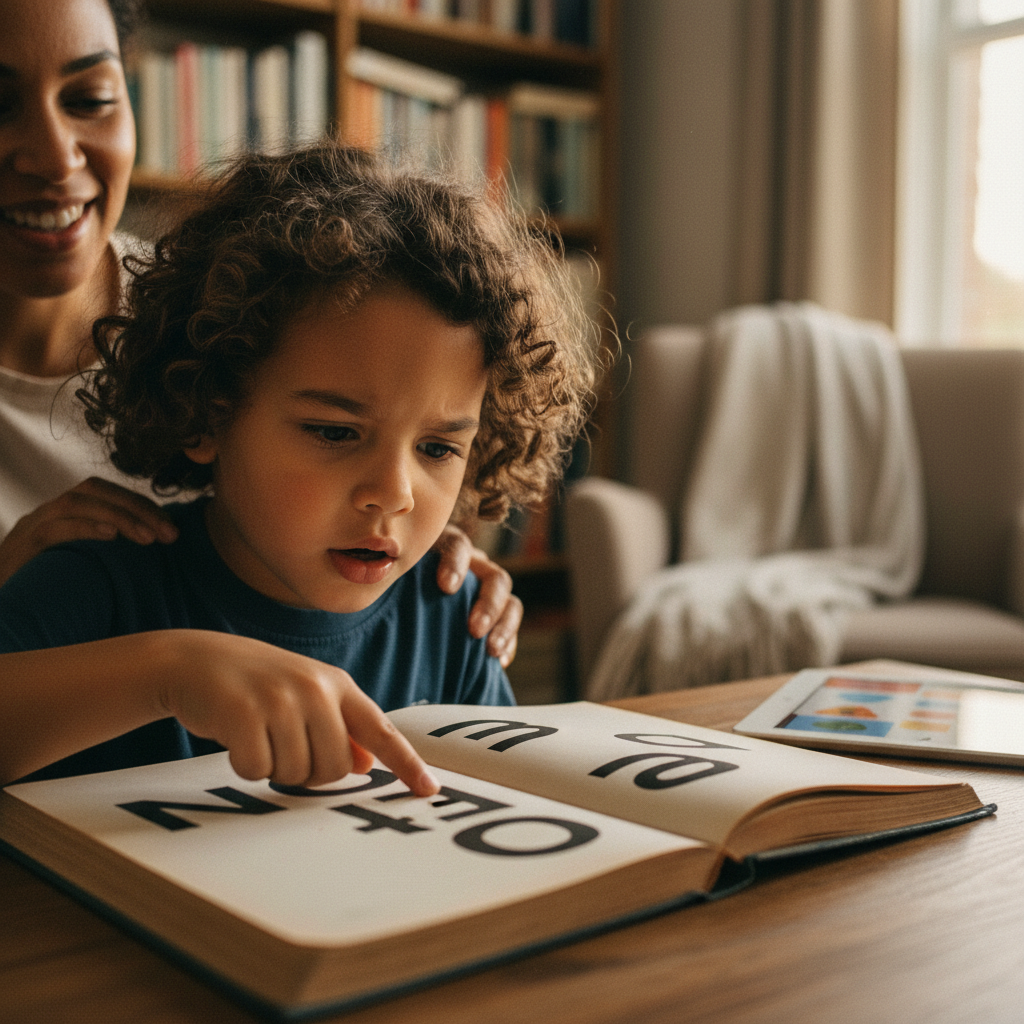
Even the best app will not work on its own. Children tend to make the most progress when parents stay involved by sitting with them, encouraging them to sound out words, and keeping practice short but consistent.
Apps should support you, not replace you.
What Actually Leads to Progress
- 10 to 15 minutes daily
- Repeating lessons instead of rushing ahead
- Combining app use with real reading practice
It is not about doing more. It is about doing the right things consistently.
Final Thought
Reading apps can be powerful tools when chosen carefully. The real risk is not that a child will use an app. It is that they will use the wrong one and stay stuck.
Before you download, look beyond the graphics, question the method, and focus on what actually builds reading skills. When the foundation is right, progress follows.