
Parent Support
The Skill No One Teaches, But Every Child Needs to Thrive
We ask children to focus, cope, manage pressure, and keep going when things feel hard. But the foundation underneath all of that is rarely taught clearly: how their own nervous system works.
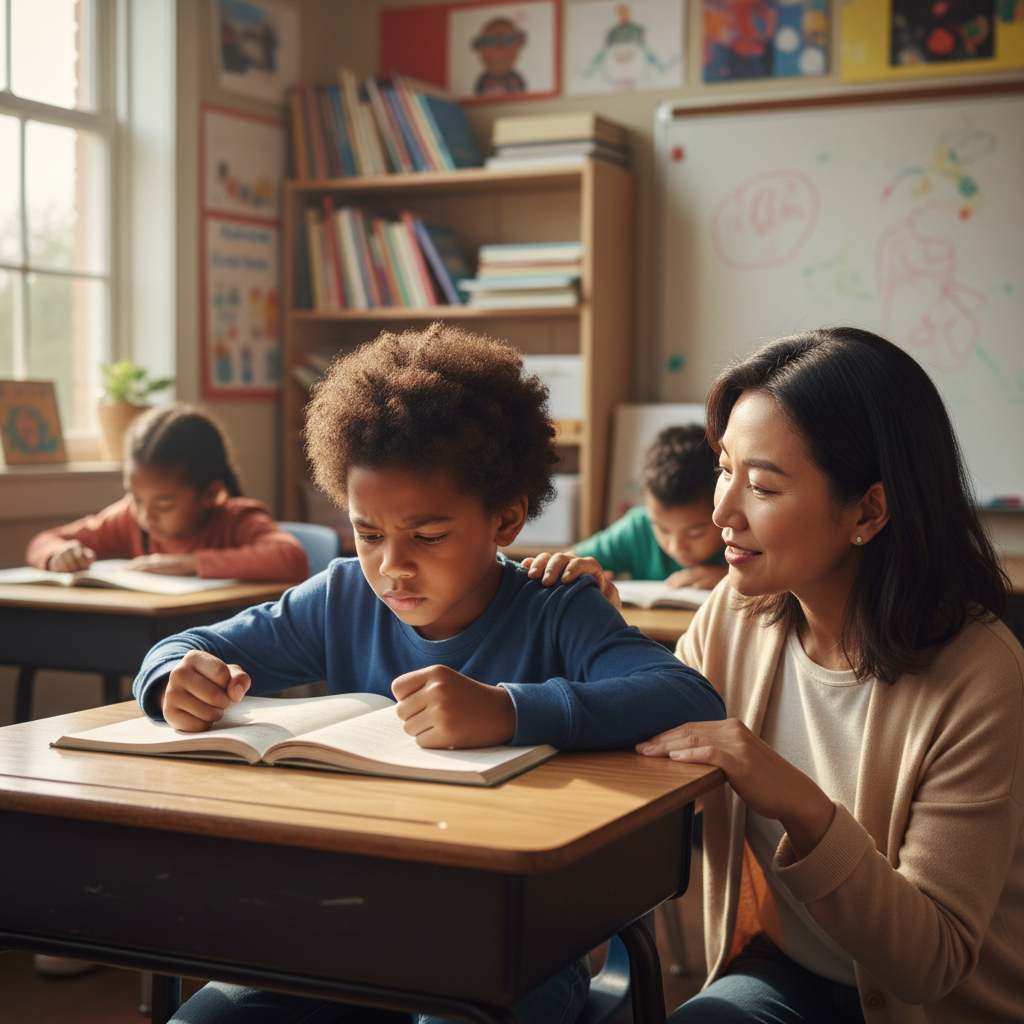
There is something we expect children to do every single day: sit still, concentrate, manage emotions, handle pressure, get along with others, and keep going when things feel hard. And yet we rarely teach the one thing that makes all of that possible.
Their own nervous system.
Let’s Make This Simple
Every child has an internal system that influences how calm or overwhelmed they feel, how they react to stress, whether they can focus or shut down, and how they handle challenge. You do not need to think of it in scientific language.
Think of the nervous system as your child’s built-in state manager.
It helps decide: I am okay. This is hard but manageable. This is too much and I need to escape.
The Problem Most Children Face
We teach children what to learn, how to behave, and how to perform. But we do not often teach them how to handle what they feel while doing those things.
So when a child cannot concentrate, melts down, avoids work, or becomes anxious, adults often respond with “try harder,” “calm down,” or “focus.” But often they genuinely cannot, because their system is overwhelmed.
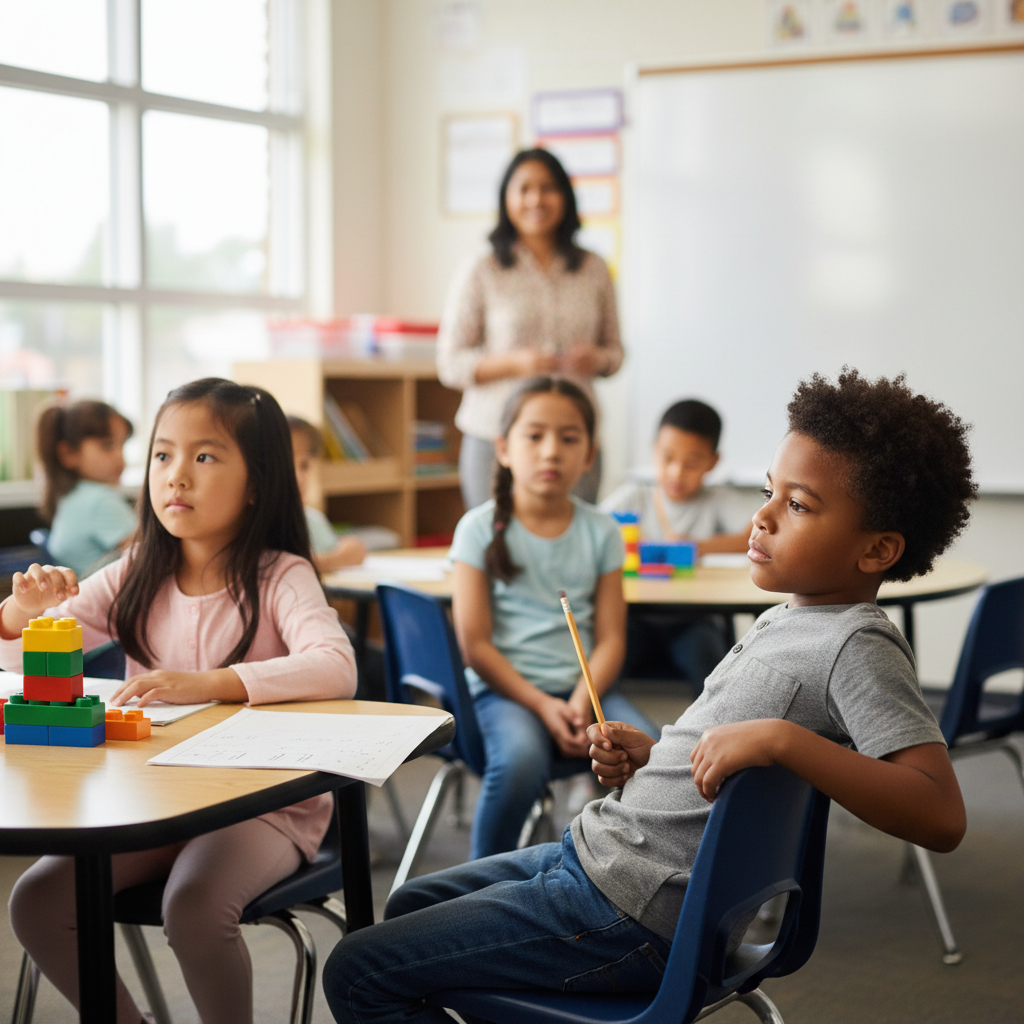
What Overwhelmed Actually Means
When a child feels too much pressure, their system shifts. Instead of being calm and open, they move into survival mode. That can look different depending on the child.
Fight
Anger, frustration, arguing, pushing back
Flight
Avoidance, distraction, delay, “I don’t want to do it”
Freeze
Blank mind, shutdown, “I don’t know,” giving up quickly
These are not bad behaviours. They are automatic responses to feeling overwhelmed.
Why This Matters More Than Ever
Today’s children are dealing with faster-paced learning, more comparison, higher expectations, and constant stimulation. That means their systems are being activated more often.
Without understanding what is happening inside them, they often conclude: I am not good at this. Something is wrong with me. I just cannot do it. When really, their system simply does not feel safe or settled enough to try.
What Regulation Actually Means
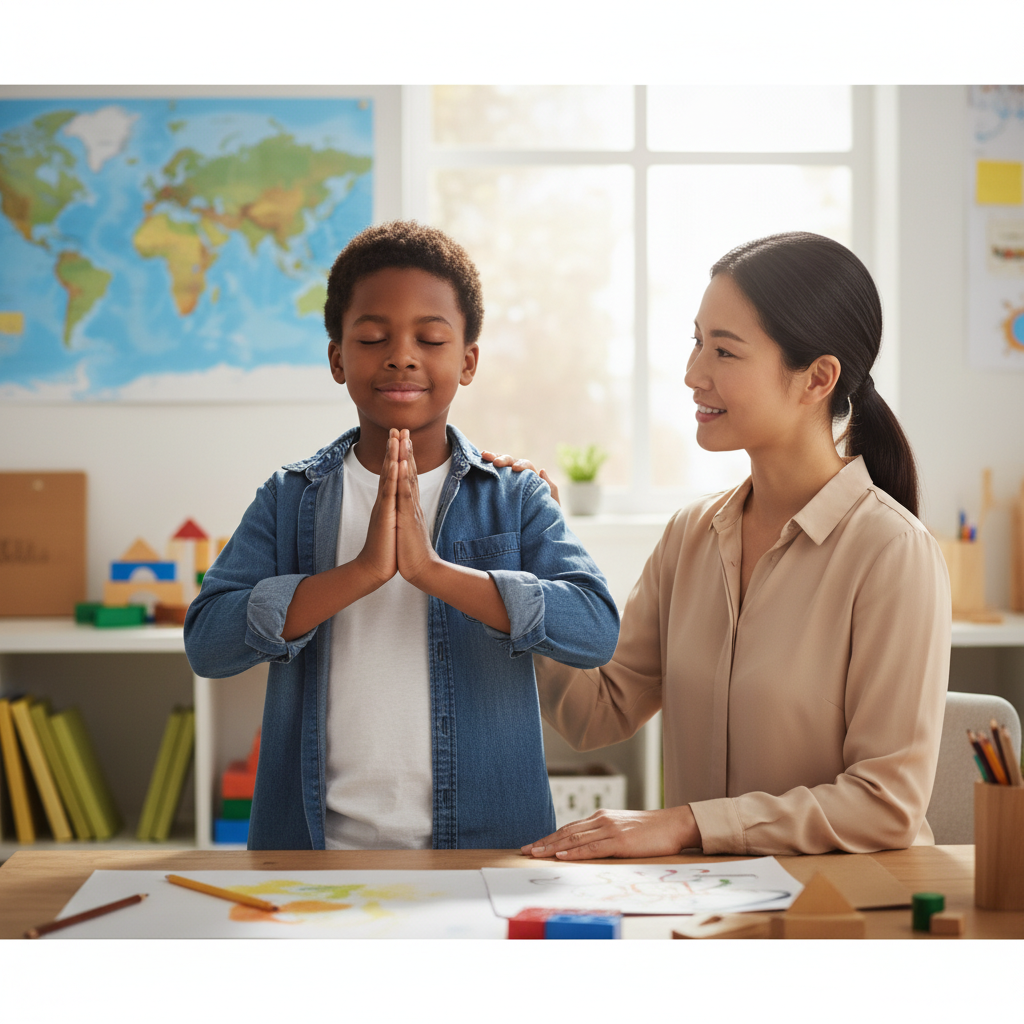
Regulation is not about being perfectly calm all the time. It is about being able to come back to a state where a child can think, learn, and cope. For one child that may mean taking a break. For another it may mean moving their body, talking things through, or slowing the pace right down.
It is the ability to go from “this is too much” to “I can handle this.”
Why Children Need to Learn This Early
If a child understands their own system, they can start to recognise when they are overwhelmed, ask for help, use simple tools to calm themselves, and build confidence through practice.
Without that understanding, they often avoid difficult things, rely on adults to fix everything, and develop anxiety around learning itself.
The Long-Term Impact
Children who do not learn regulation often become teens who feel easily stressed, struggle with pressure, avoid challenge, and rely heavily on external validation. Not because they are incapable, but because nobody showed them how to handle what was happening inside them.
What This Looks Like in Real Life
Imagine two children facing the same difficult task. One feels overwhelmed, does not understand why, and avoids or shuts down. The other notices that it feels hard, knows how to pause, and tries again with support.
Same ability. Different outcome. The difference is regulation.
Instead of asking “Why aren’t they trying harder?”, the more useful question is: “What state are they in right now?”
Because learning happens when a child feels safe, calm enough, and able to think.
Final Thought
We spend years teaching children maths, reading, and writing. But the foundation underneath all of it is this: can they manage themselves when things feel hard?
If they can, they keep trying, build resilience, and learn more deeply. If they cannot, everything else becomes harder than it needs to be. Understanding their nervous system is not extra. It is the foundation that makes learning possible.
The most important education a child may receive is not only what they learn. It is learning how to stay with themselves when things feel hard.