Future Readiness
The Life Skills Your Child Actually Needs in 2026
Life will not ask for perfect grades. It will test how children think, cope, recover, focus, communicate, and keep going when things get hard.
Your child can pass tests, memorise content, and complete assignments. But can they handle frustration, rejection, money, distraction, and uncertainty?
The world children are growing into will not reward only what schools have traditionally prioritised. It will reward how they think, how they cope, and how they show up when things become difficult.
The Uncomfortable Truth
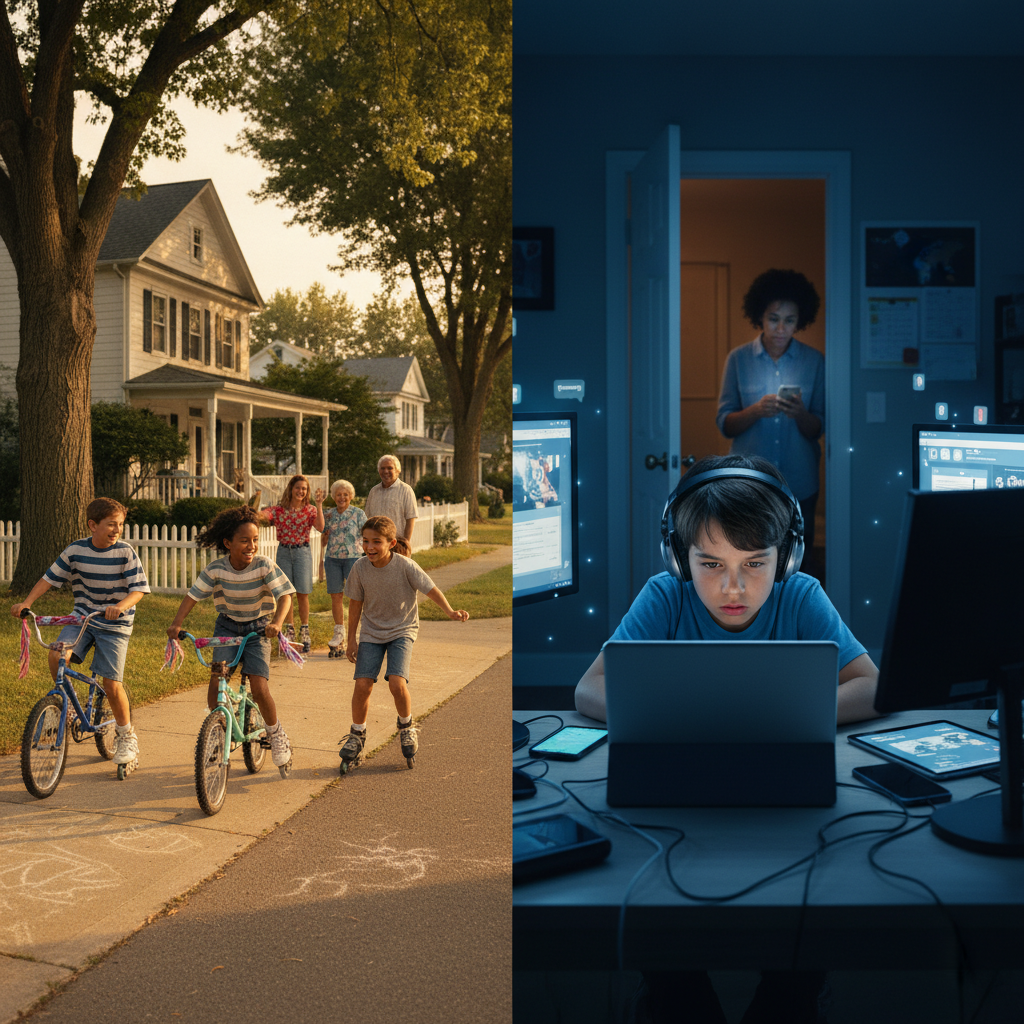
Children are growing up in a world where everything is faster, easier, and more stimulating. Yet life itself is still frustrating, uncertain, and full of rejection. If we do not deliberately teach these skills, children may become academically capable but life-fragile.
The goal is not just school success. The goal is a child who can handle life when it does not go their way.
The Skills That Actually Matter Now
1. Handling Frustration Without Shutting Down
This is the foundation. When something feels hard, slow, or uncomfortable, many children avoid, quit, or become overwhelmed. They need to learn how to stay in the struggle without escaping it.
Teach: pause, don't panic. Try one more step. Frustration means you are learning something new.
2. Not Quitting When Things Get Hard
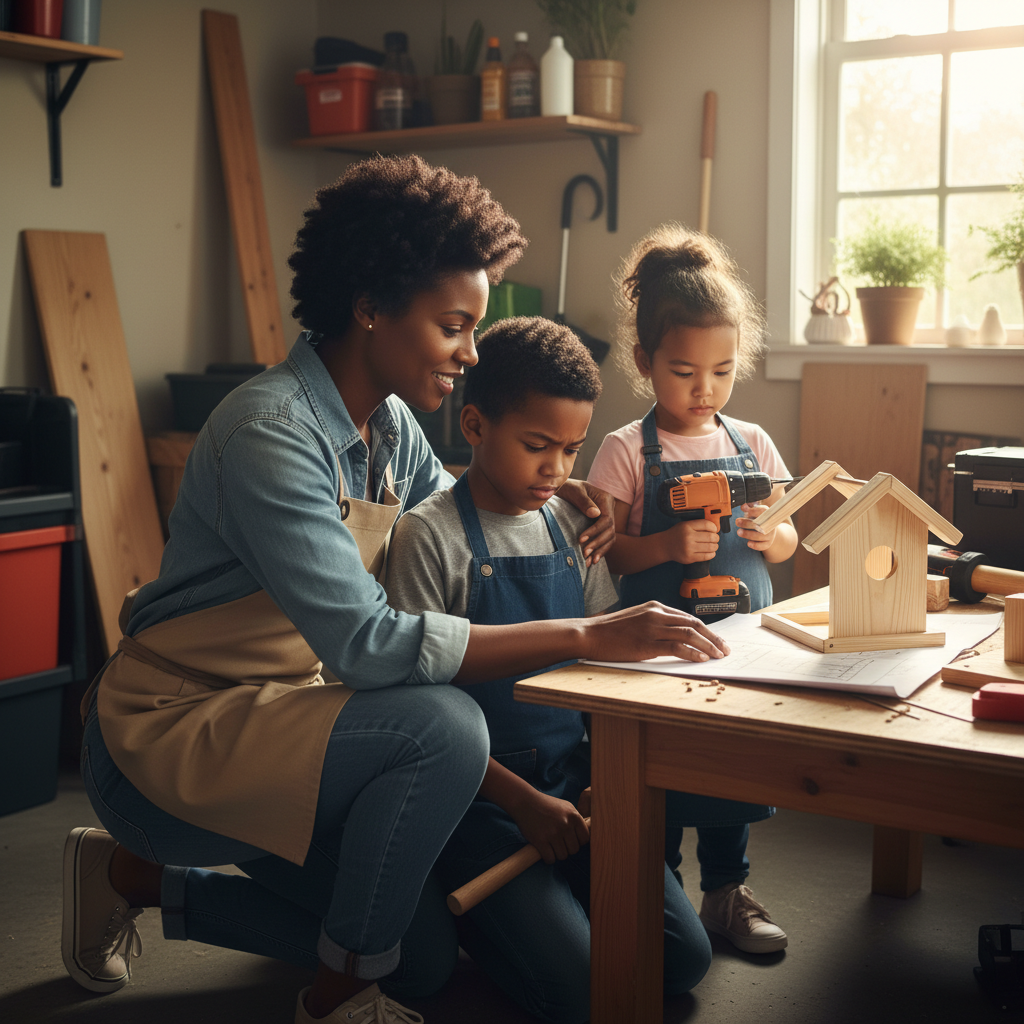
Real life often says: this will take time, this will not work immediately, and you need to try again. Children build tolerance for difficulty by being allowed to struggle safely, not by being rescued from every uncomfortable moment.
3. Handling Rejection
Children will face not being chosen, not being included, and not succeeding. Without this skill, rejection can become identity. Teach them that rejection is information, not proof that something is wrong with them.
4. Managing Money
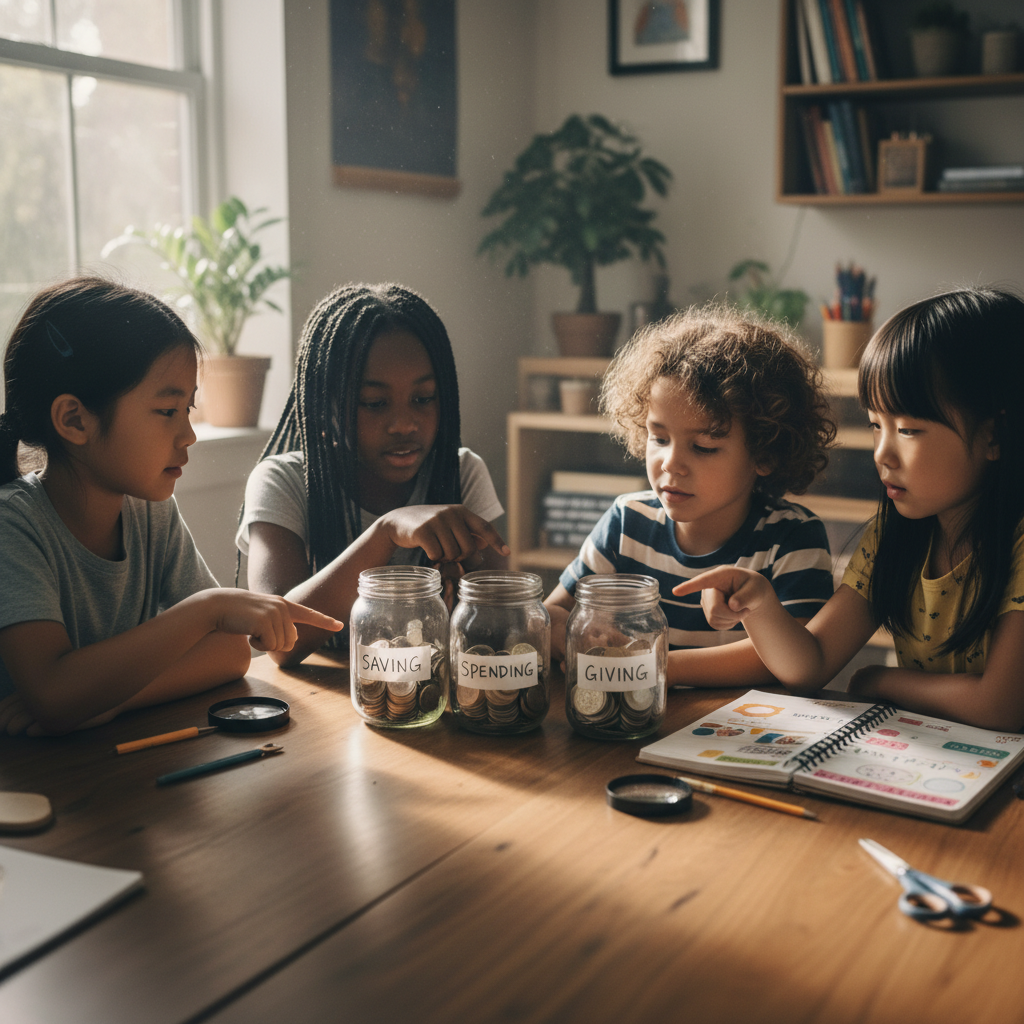
Children need to understand earning, saving, spending decisions, and delayed gratification. Financial stress is one of the biggest adult pressures, so money confidence matters early.
5. Taking Initiative
The future will not reward waiting to be directed. It will reward starting, trying, and figuring things out. Ask children: what could you do next? What is your idea?
6. Solving Real Problems
Children need practice with real-life challenges, not only textbook answers. Give them space to think, adapt, and find solutions.
7. Building Relationships
Children need to learn how to communicate, listen, handle conflict, and work with others. Success in life is deeply tied to relationships.
8. Managing Time Without Being Chased
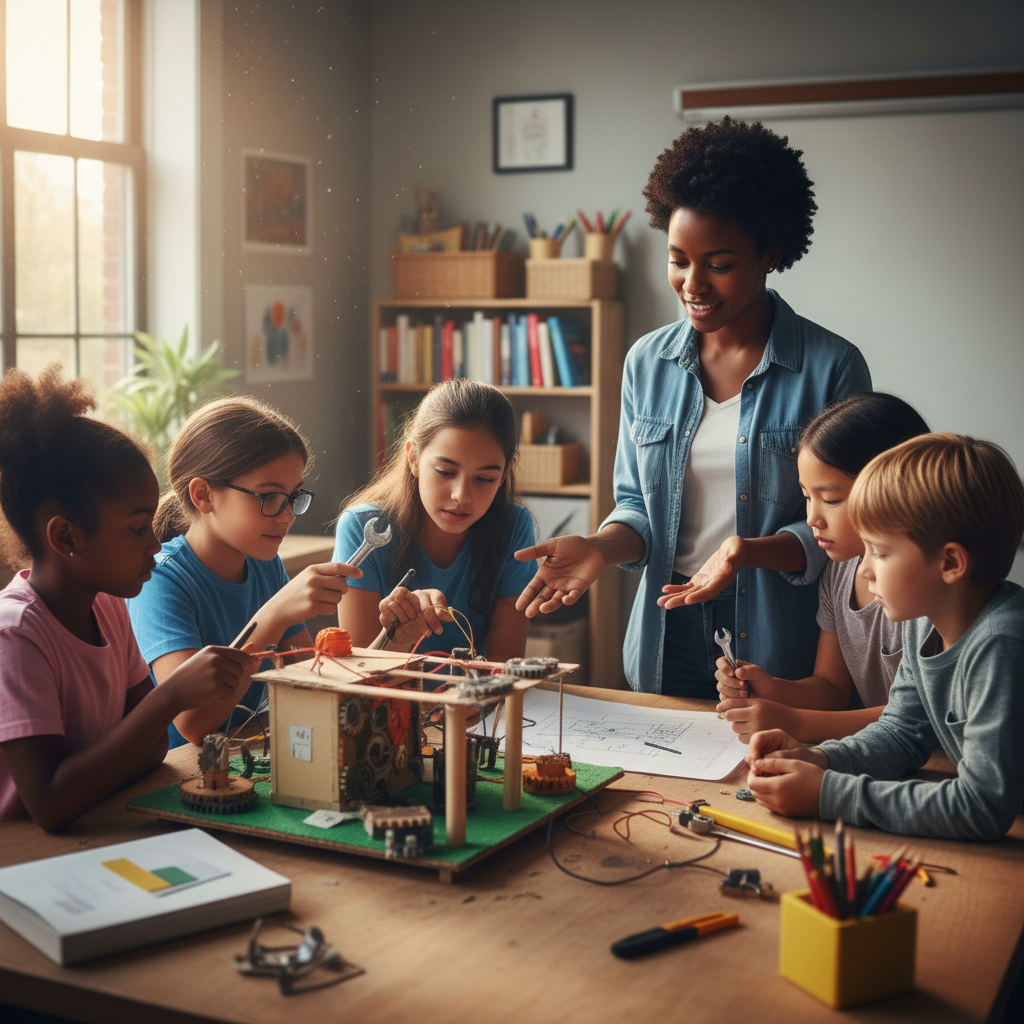
This means planning, prioritising, and managing tasks. One day, no one will remind them every few minutes. Time management has to be taught before independence is expected.
9. Staying Consistent When Motivation Drops
Motivation is unreliable. What matters is showing up anyway. Children need routines, habits, and discipline that carry them when enthusiasm fades.
10. Taking Accountability
Accountability sounds like: that was my responsibility, and I will fix it. This builds maturity, trust, and resilience.
11. Focus in a Distracted World
Focus is becoming a superpower. Children need practice single-tasking, finishing what they start, and working without constant stimulation.
12. Courage to Fail and Try Again
Fear of failure is rising, but failure is how learning actually happens. Children need to try, fail, and try again without shame.
13. Communication in a Way That Suits Them
Not every child is loud, confident, or outspoken. But every child needs to express themselves clearly, whether through speaking, writing, explaining ideas, or asking for help.
14. Self-Awareness
Children need to understand what they like, what they do not like, how they learn, and what they find hard. You cannot improve what you do not understand about yourself.
The Biggest Mistake We Are Making
We often assume these skills will just develop. They will not. They need to be modelled, taught, and practised at home and in school.
Stop asking only whether children are doing well academically. Start asking whether they can handle life when it does not go their way.
Final Thought
The future does not belong only to the smartest child. It belongs to the child who can keep going, think clearly, adapt, recover, and connect.
We are not just raising children who can succeed in school. We are raising children who can handle life.