Quiet Life Lessons
The Life Lessons We Don't Always Say Out Loud to Our Children
Some of the most important lessons in life are never written in a curriculum. They are quieter, harder to explain, and often learned the long way.
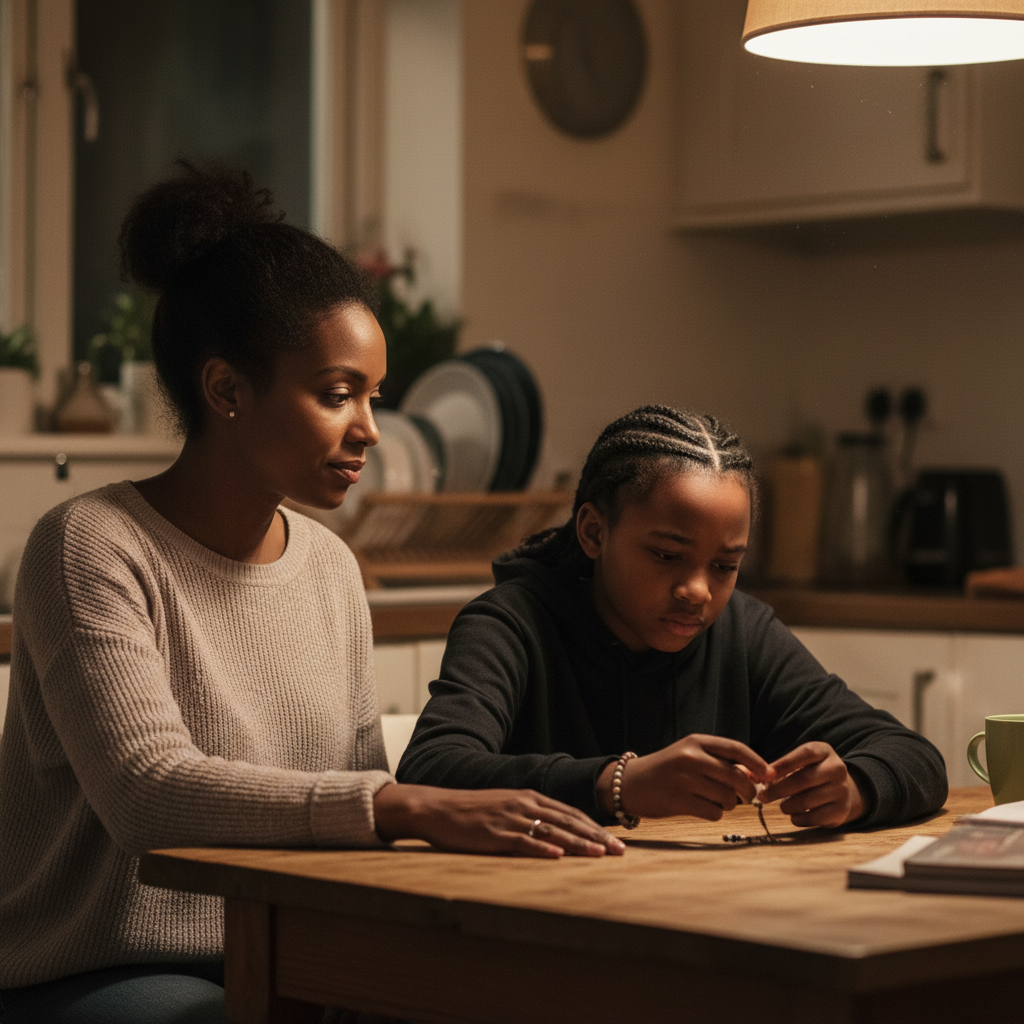
We spend so much time teaching children the visible things. But maybe it is time we bring the quieter lessons into the light.
Children learn maths, reading, and good manners. But they also need language for trust, boundaries, attention, pressure, friendship, self-respect, and confidence.
Not Everyone Who Smiles Is Safe
We naturally teach children to be polite, kind, and trusting. But kindness does not always come with good intentions. Children need to understand that not everyone who is friendly is trustworthy, and not everyone who is quiet is unkind.
What matters is helping them notice patterns, not just moments. Patterns tell the truth.
Attention Is Not the Same as Love
In a world full of noise, likes, and validation, it is easy for children to confuse attention with care. Real love feels safe, consistent, and does not demand performance. Teaching this early protects children from chasing the wrong things later.
Not Everyone Will Respect Your Boundaries
The goal is not to make everyone comfortable. The goal is to protect your own sense of self. The right people will respect a child's no. Those who do not are showing something important.
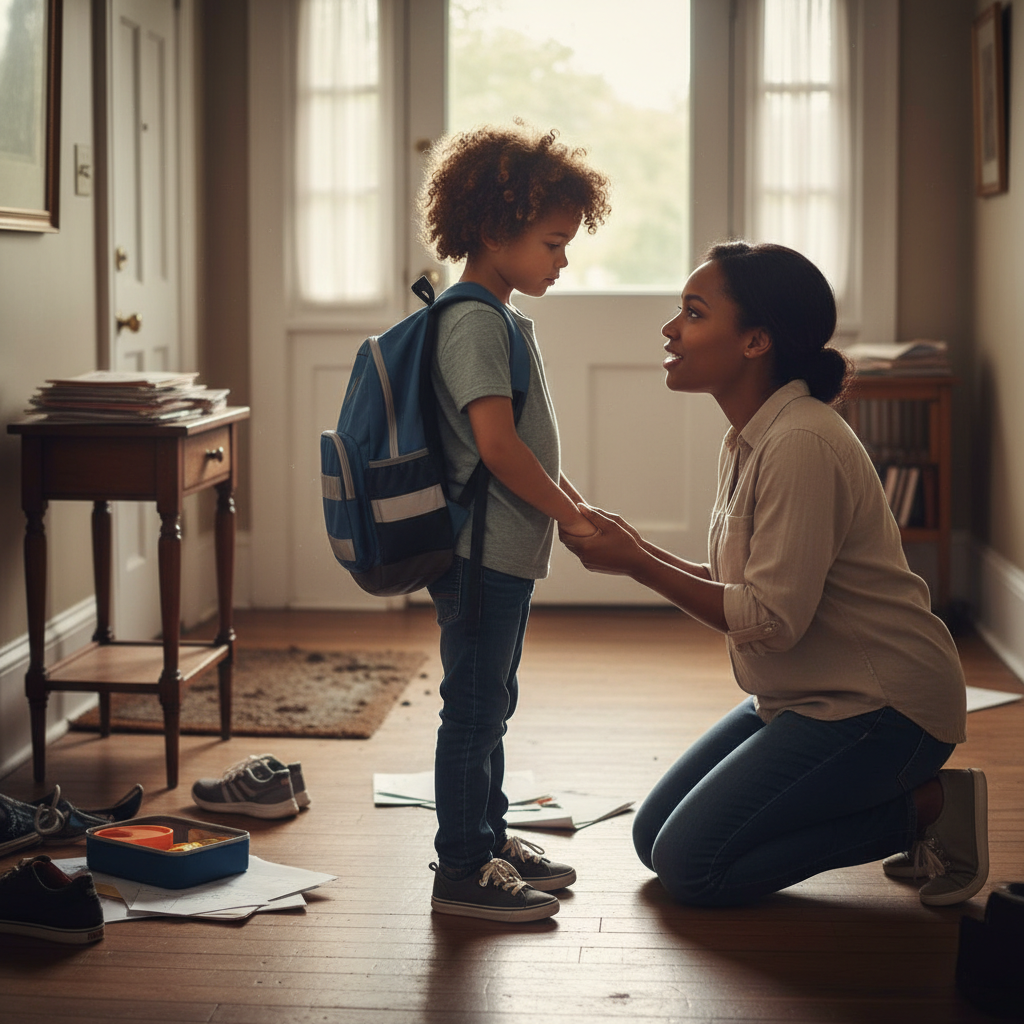
If Something Feels Wrong, Trust That Feeling
Children are often talked out of their instincts with phrases like do not be silly or you are overreacting. But that inner voice matters. If something feels off, pause. If something feels wrong, listen.
You Are Allowed to Say No
Even to adults. Even to friends. Even when it is uncomfortable. Saying no is not rude. It is a form of self-respect.
Standards Are Self-Respect
Wanting to be treated well is not too much. Expecting kindness is not demanding. Standards set the tone for every relationship a child will have.
When children understand that their standards shape how others treat them, they begin to understand their own power.
Not Every Chance Is Worth Taking
We often tell children to take opportunities and try everything. But some choices cost time, peace, or values. Children need to know it is okay to walk away.
The Loudest Voice Is Not Always the Wisest
Confidence can be convincing, but it does not always mean correctness. Teach children to think, not just follow. To question, not just accept.
Pressure Will Come From Everywhere
Friends, school, and social media all create pressure. The ability to pause and say, this does not feel right for me, is one of the most powerful skills a child can develop.

Move at Your Own Pace
Not everyone grows at the same speed, and that is not a weakness. Rushing to keep up often leads to losing yourself.
Being Liked Is Not the Goal
Being respected, being kind, and being true to yourself matter more than being liked by everyone. That is what lasts.
Self-Discipline Is Freedom
Self-discipline is not restriction. The ability to focus, delay gratification, and stay consistent is what builds confidence over time.
Some Friendships Are Meant for a Season
Not every connection is meant to last forever. Letting go is not failure. Sometimes it is growth.
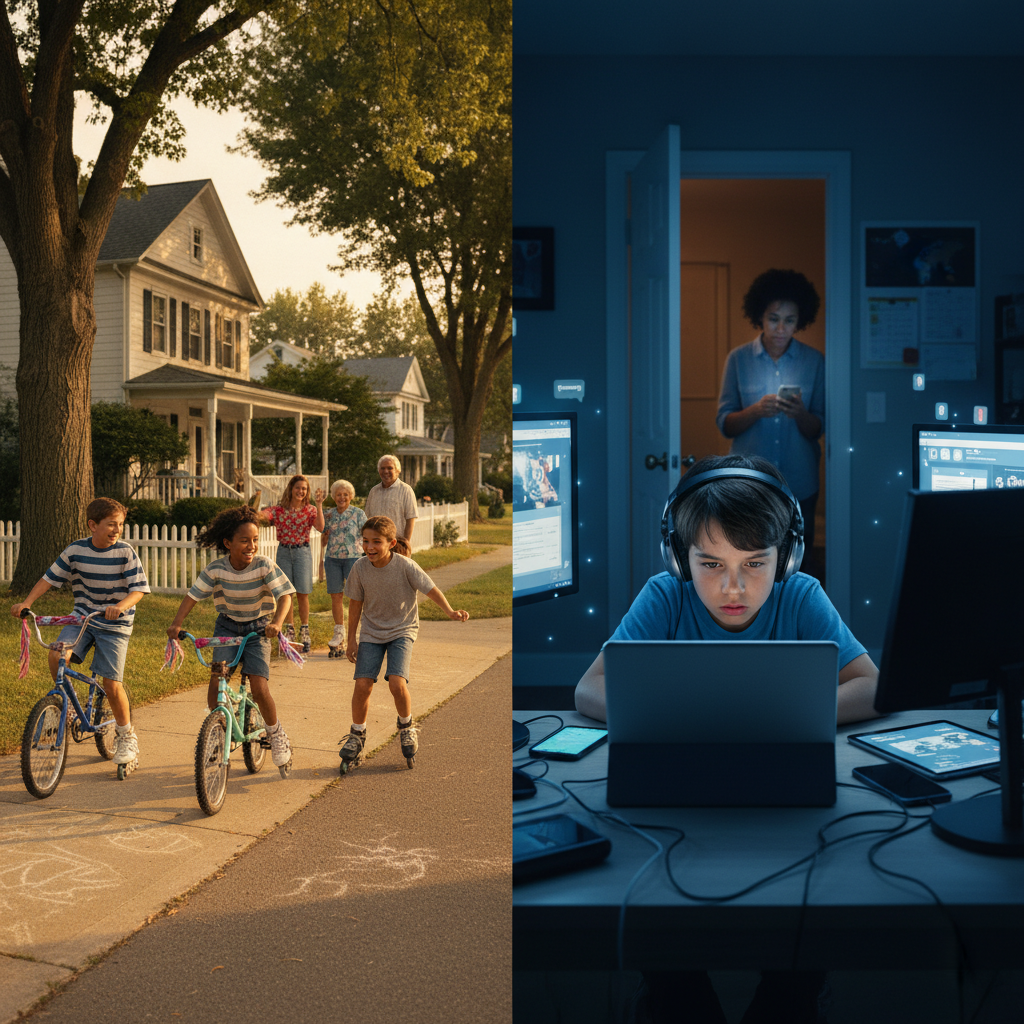
Social Media Is Not Real Life
It is filtered, edited, and curated. Children need to understand that what they see is not the full picture, and comparing themselves to it will distort their reality.
Silence Can Be Strength
Not every comment needs a response. Not every situation needs a reaction. Protecting your energy is a skill.
The Right People Will Never Make You Feel Small
The right people support, encourage, and respect. They do not diminish, control, or make a child question their worth.
Final Thought
We cannot protect children from everything. But we can equip them with awareness, self-respect, and inner confidence. The world will teach them many lessons, but these are the ones that help them navigate it.
The quiet lessons are often the ones that protect a child the longest.