
Alternative Education
Is Montessori Really Working for Your Child?
Montessori can be powerful when it is done authentically and when it genuinely fits the child. But the label alone means very little if the practice underneath it is missing.
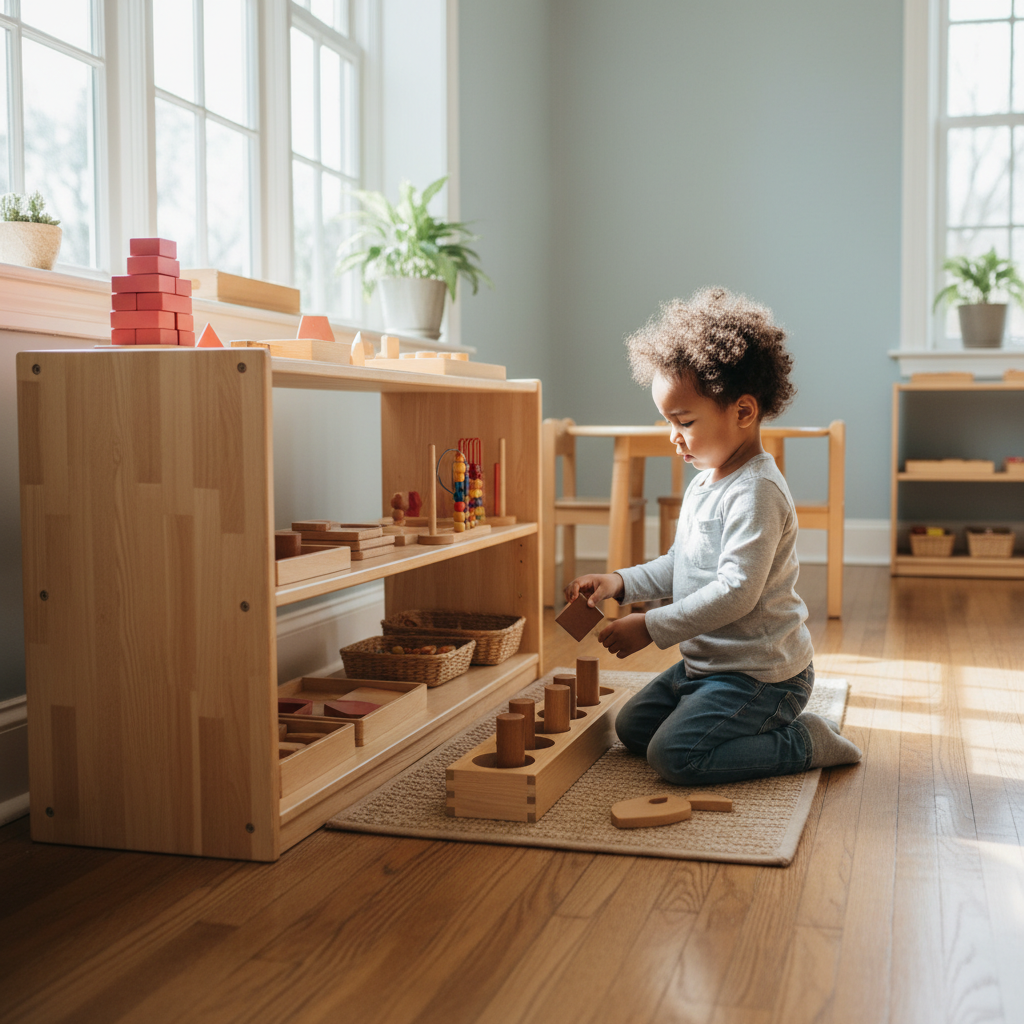
Montessori has a beautiful reputation. Calm classrooms. Independent children. A love of learning that seems to grow naturally rather than being forced. But here is the part most people do not talk about enough: just because a school says it is Montessori does not mean it is, and even when it is, that still does not guarantee it is the right fit for your child.
So the real task is learning how to tell the difference clearly, without the fluff.
When Montessori Is Working for Your Child
Often you feel it before you fully analyse it. Your child may not come home shouting excitement every day, but there is a steady sense that something is quietly clicking.
1. Growing Independence
You begin to see more ownership in daily life: getting dressed, organising belongings, starting things without constant prompting. Not perfectly, but progressively.
2. Real Concentration
Montessori is not about silence. It is about concentration. If it is working, your child may get absorbed in tasks, repeat activities by choice, and show a slowly building attention span.
3. No Constant Dread
They may not love every day, but there is no consistent school resistance, no regular emotional shutdown before school, and no persistent sense of stress attached to it.
One of the clearest signs Montessori is working is that confidence starts to look internal, not constantly dependent on praise, rewards, or adult approval.
4. Internal Confidence
Instead of chasing applause, your child shows the quieter satisfaction of “I did it.” The pride is in the effort and process, not only in the outcome.
5. Emotional Safety
This matters most. They trust the teacher, feel seen rather than managed, and are not being constantly corrected or subtly shamed.

When Montessori Is Not Working
This is often where parents start doubting themselves and thinking, “Maybe my child just is not suited to Montessori.” Sometimes that is true. But sometimes it is not the child at all. Sometimes it is the environment.
1. Chronic Resistance or Anxiety
Daily school pushback, frequent meltdowns, or emotional exhaustion after school are not just signs of “adjustment” if they continue. They often signal a real mismatch.
2. Feeling Lost or Unsupported
Montessori still requires guidance within independence. If your child consistently says they do not know what to do, wanders without purpose, or avoids work altogether, something important may be missing.
3. Weak Teacher Connection
If a child feels invisible, it usually shows up through withdrawal, acting out, or lack of engagement. Montessori without relationship does not work.
4. Natural Traits Treated as a Problem
If your child is highly active, sensitive, or simply needs more support, and the response is repeated correction, pressure to conform, or subtle shaming, that is not good alignment.
5. Concerns Dismissed as “Just Montessori”
If genuine concerns are brushed away with “they will adjust” or “this is the method” without curiosity about your child, be careful. That is not thoughtful practice. That is defensiveness.
Mismatch Signs
Anxiety, emotional exhaustion, drifting, or feeling unseen
Healthy Fit
Purposeful freedom, support, concentration, and emotional safety
When a “Montessori” Is Not Actually Montessori
This is more common than many parents realise. In plenty of places, the name is not strongly regulated, so schools borrow the label without really following the philosophy underneath it.
It is not authentic Montessori if there is constant whole-class instruction, heavy reliance on rewards or punishment, missing or purely decorative materials, very little real choice, constant interruption of concentration, no mixed-age grouping, or an environment that feels controlling rather than calm.

What to Look for in a Real Montessori Classroom
If you are visiting or evaluating a school, trust both what you see and what you feel. Look for children moving with purpose, not chaos and not forced stillness. Look for teachers observing more than directing. Look for a balance of freedom and structure, respectful communication rather than control, and children who seem comfortable being themselves.
And above all, ask yourself this: do the adults seem genuinely curious about children, or mainly focused on managing them? That answer reveals a great deal.
Your child does not need to fit the system. The system needs to meet your child.
Final Thought
Montessori is not magic. It is a philosophy, a framework, and a way of seeing children. When it is done well, it can be powerful. When it is done poorly, or rigidly, it can feel confusing, even harmful.
If you ever feel the gap growing between what your child needs and what the environment is giving them, trust that feeling. You are not overreacting. You are paying attention.
A beautiful philosophy only helps children when it is lived honestly, skillfully, and in relationship with who they really are.