Montessori Debate
"Is Montessori Not Fit for Boys?" A Conversation Worth Having
The better question is not whether boys fit Montessori. It is whether the environment is flexible enough to support different nervous systems, learning styles, and developmental profiles.
At a recent meeting, a Montessori head shared a view that caught people off guard: “Montessori may not be the best fit for boys.” It is the kind of statement that lands heavily. It challenges a philosophy many people respect, raises eyebrows, and behind the discomfort, sparks a real question that people are often hesitant to ask out loud.
So it is worth exploring properly, without defensiveness and without oversimplifying the issue.
Where Could This Idea Come From?
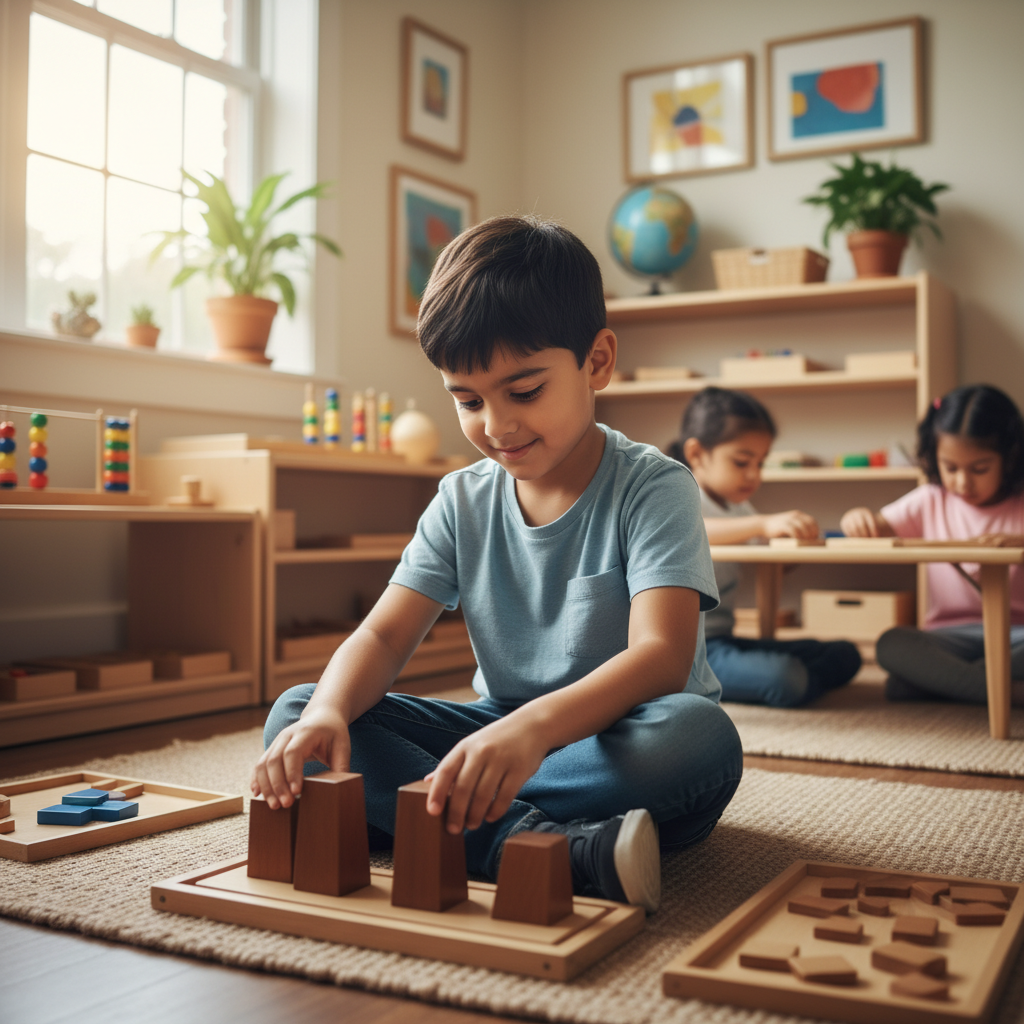
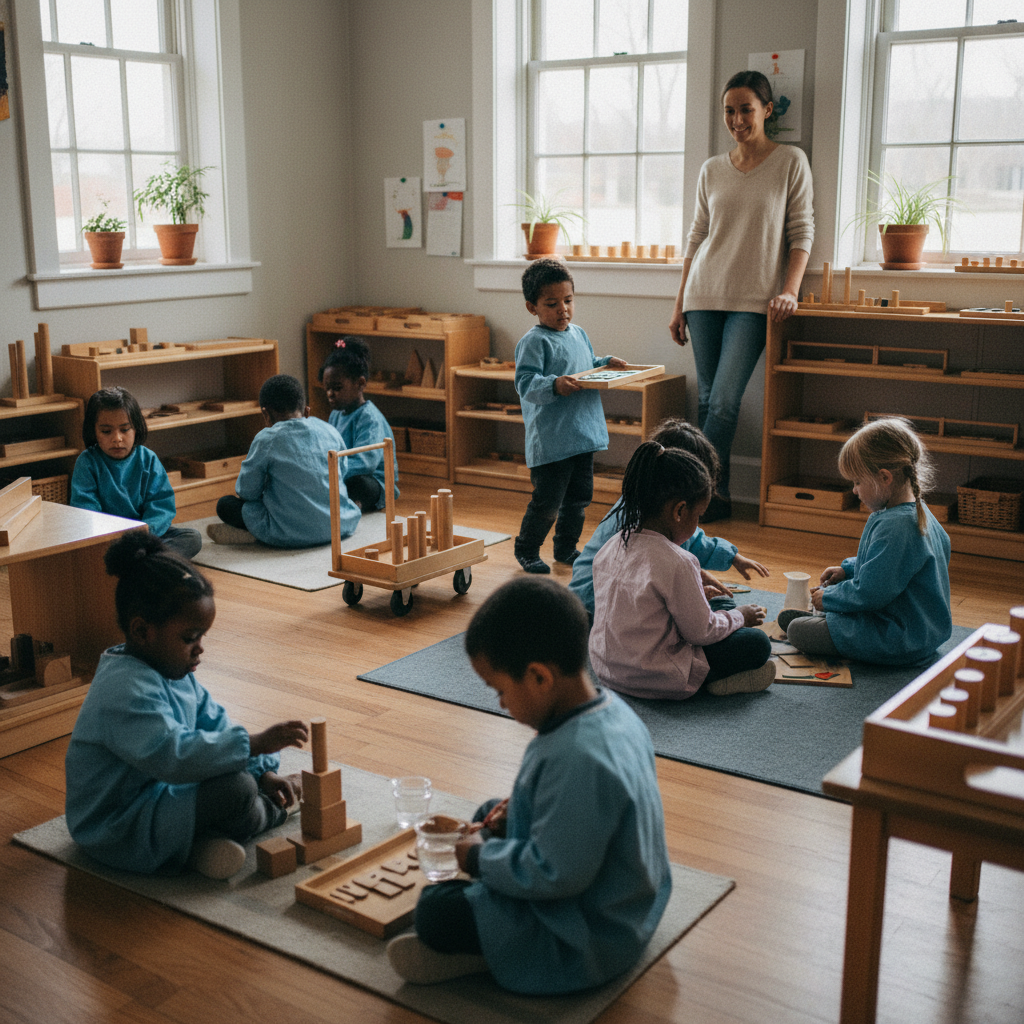
Before dismissing the statement, it helps to understand what might lead someone to say it. Many Montessori classrooms prioritise long periods of independent work, quiet focused environments, fine motor tasks, and a strong emphasis on self-regulation and internal motivation.
Now place in that environment a child who craves movement, seeks physical engagement, struggles to sit still for long stretches, or processes emotion through action rather than reflection. It becomes easy to observe a mismatch and turn that observation into a broader conclusion.
But an observation is not the same thing as a truth.
The Risk of Oversimplifying Boys
Saying Montessori is not suited for boys assumes something deeply unhelpful: that boys are a single kind of learner. They are not. Some boys thrive in quiet concentration. Some love repetition and order. Some are reflective, sensitive, and drawn to calm, careful work. Others are highly active, sensory-seeking, and struggle with stillness.
That is not a boy issue. It is a developmental and neurological profile, and many girls share it too. Once the conversation is framed purely as gender, we risk missing what is actually happening underneath.
The Real Question Is Not About Boys
A more useful question is this: does the environment adapt to different nervous systems, or does it expect children to adapt to it? When children struggle in Montessori, or in any system, it is often less about the philosophy itself and more about how the environment is being implemented.
When Montessori Works Beautifully
At its best, Montessori offers autonomy and choice, hands-on learning, respect for individual pace, deep concentration, and intrinsic motivation. Those are powerful conditions for many children, including boys. For children who dislike rigid instruction or constant correction, Montessori can feel deeply freeing.
Where It Can Fall Short
Montessori environments can sometimes unintentionally favour children who are naturally self-regulated, comfortable with quiet focus, and less driven by high external stimulation. Children who need more movement, more co-regulation, more sensory input, or a more flexible rhythm can end up feeling out of sync if those needs are not actively supported.
And yes, statistically, many of those children may be boys. But not all boys. And not only boys.
When It Works
Choice, hands-on learning, calm concentration, respect for pace
When It Misses
Too little movement, weak co-regulation, low flexibility for sensory needs
So, Is Montessori "Not Fit for Boys"?
No. That conclusion is too blunt for a much more nuanced reality. A more accurate statement would be this: some Montessori environments are not yet flexible enough for all kinds of learners.
That is an implementation challenge, not a flaw in boys, and not a failure of the philosophy itself.

What This Means for Parents
If your son is struggling in Montessori, it does not automatically mean Montessori is wrong, and it does not automatically mean your child is the problem. It may simply mean the environment needs adjustment, the approach needs more flexibility, or your child's needs need to be better understood.
And sometimes, yes, it may mean a different setting is a better fit. That is not failure. That is responsiveness.
Education is not about finding the “right system” in the abstract. It is about finding the right fit between the child, the environment, and the adults guiding them.
Final Thought
Any system that claims to work for all boys, or all children, deserves a second look. Real education has never been one-size-fits-all. It is always relational, developmental, and dependent on how honestly the environment meets the child standing in front of it.
The real question is not whether boys fit Montessori. It is whether the Montessori in front of them is flexible enough to fit real children.