
Parenting Practice
How to Teach Your Child Real-Life Skills at Home
You do not need special programmes, expensive resources, or hours of extra time. Your child is already learning from you every day.

The question is not whether your child is learning from you. The question is whether they are learning how to handle life or how to avoid it.
Parents often step in quickly, fix things, and smooth the path because it is faster, easier, and kinder in the moment. But over time, this can accidentally teach a child: I cannot handle things on my own.
The Shift That Changes Everything
Instead of asking only how to help your child succeed, start asking how to let them struggle safely and grow from it. That does not mean leaving them alone. It means staying close without taking over too quickly.
Let it be slower, messier, and imperfect. That is where real learning happens.
How to Teach These Skills in Real Life
1. Frustration: Do Not Rescue Immediately
When they say, I cannot do this, or this is too hard, pause before helping. Ask: show me what you have tried so far. Then ask: what could you try next? This builds problem-solving and tolerance for difficulty.
2. Not Quitting: Normalise Sticking With It
When they want to give up, avoid saying, okay, leave it. Try: let us do one more small part, then decide. This builds the ability to stay in discomfort a little longer.
3. Rejection: Do Not Over-Protect
When they are not chosen or included, it is tempting to rush in with outrage. Instead, validate and guide: that does not feel good, but it happens to everyone sometimes. What do you want to do next?
4. Money: Give Real Responsibility
Instead of giving money freely, give small amounts, choices, and consequences. Say: you can spend it now or save for something bigger. Let them make small mistakes and feel small regrets.

5. Initiative: Stop Over-Directing
Instead of telling them every step, ask: what needs to be done here? Then pause. Let them think, even if it takes longer. Initiative grows in space, not constant instruction.
6. Problem-Solving: Bring Them Into Real Life
Planning a trip, solving a household issue, or fixing something broken can become a learning moment. Say: we need to figure this out. What is your idea?
7. Relationships: Coach, Do Not Control
When friendship issues happen, resist jumping in to fix everything. Ask what happened, how they think the other person felt, and what they could do next. This builds empathy and social awareness.
8. Time Management: Stop Reminding Constantly
Instead of repeating reminders, ask: what is your plan for getting this done? Then step back. Responsibility comes from ownership, not constant reminders.
9. Consistency: Build Small Habits
Do not aim for perfection. Aim for repeatable actions. We do this every day, even if it is small. That is how discipline and reliability grow.
10. Accountability: Let Them Fix It
When they make a mistake, do not go straight to lecturing or punishment. Ask: what needs to happen now to fix this? This builds ownership and responsibility.
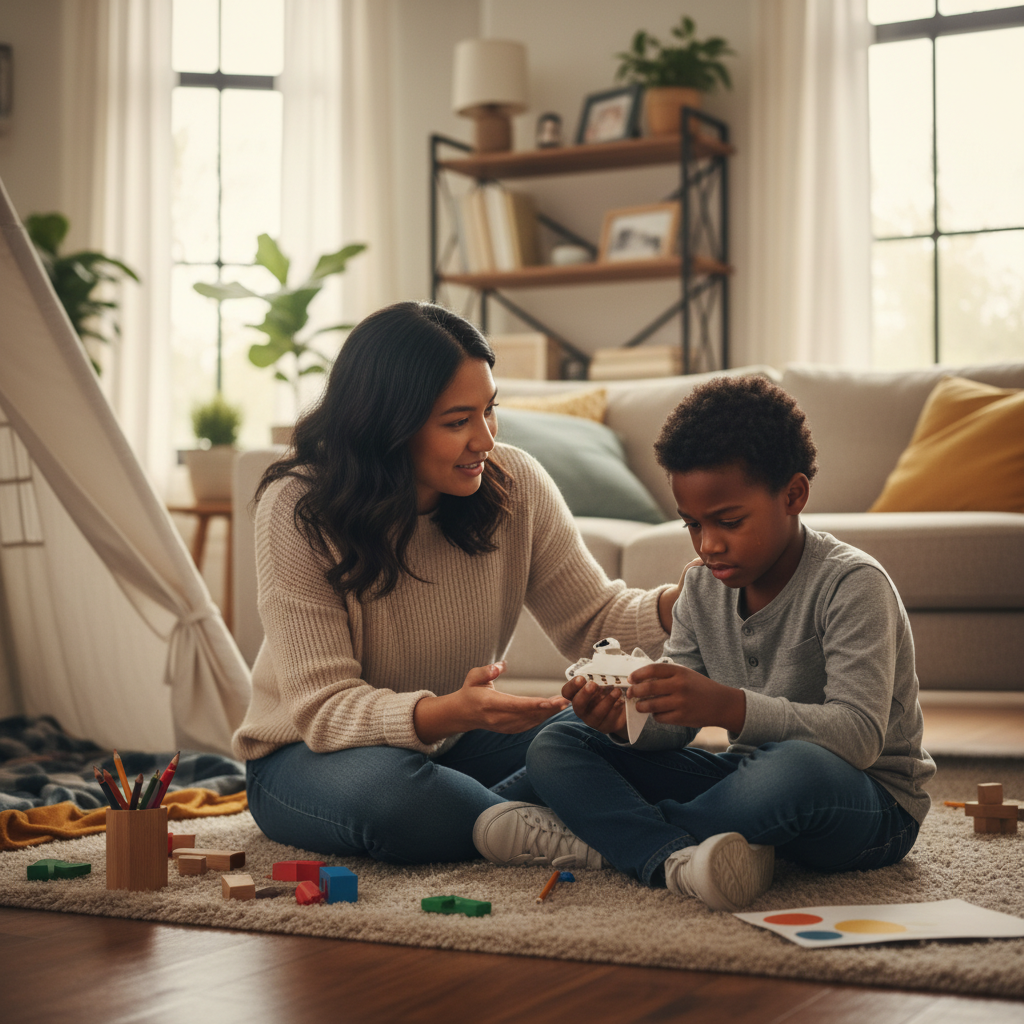
11. Focus: Protect Their Attention
Limit constant screen switching and multitasking. Encourage: finish this, then move on. Focus is trained, not automatic.
12. Failure: Normalise Trying Again
When they fail, do not only say, it is okay, do not worry. Ask: what did you learn? What would you try differently? That builds resilience and growth thinking.
13. Communication: Let Them Speak
Do not speak for them too quickly. Encourage: you can tell them that. Try explaining it your way. It may be messy at first, and that is part of the learning.
14. Self-Awareness: Reflect Regularly
Ask simple questions: what did you enjoy today? What did you find hard? What helps you when it feels tricky? This builds understanding of self.
The Most Important Rule
Let it be slower, messier, and imperfect. That is often where the strongest learning happens. Real-life skills are not built through perfect lessons. They are built through everyday moments handled differently.
Final Thought
You do not need to create systems, find extra time, or become a perfect parent. You just need to use everyday moments differently. That is where resilience is built, confidence grows, and independence forms.
Small moments become life skills when we stop rushing to rescue and start coaching children through real life.