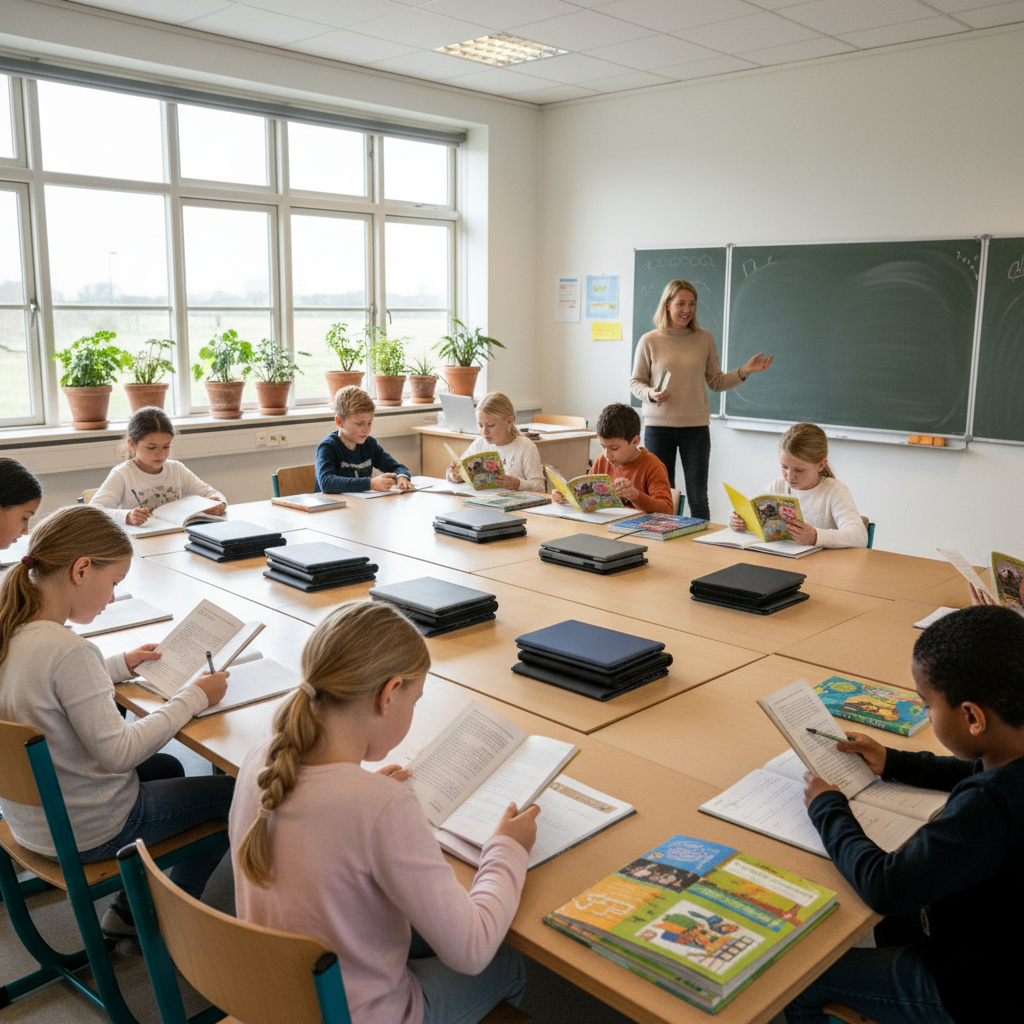
Many children are not choosing to be disruptive. They are struggling to regulate their bodies, attention, or emotions.
Walk into most primary classrooms and the pattern is familiar. Some children fidget, struggle to sit still, get distracted quickly, or become frustrated faster than adults expect.
These children are often described as unfocused, disruptive, or not trying. But in many cases, the deeper issue is that they do not yet have the tools to regulate themselves well enough for learning to happen consistently.
Occupational therapy helps build the foundations that make learning possible: regulation, focus, coordination, sensory processing, and independence.
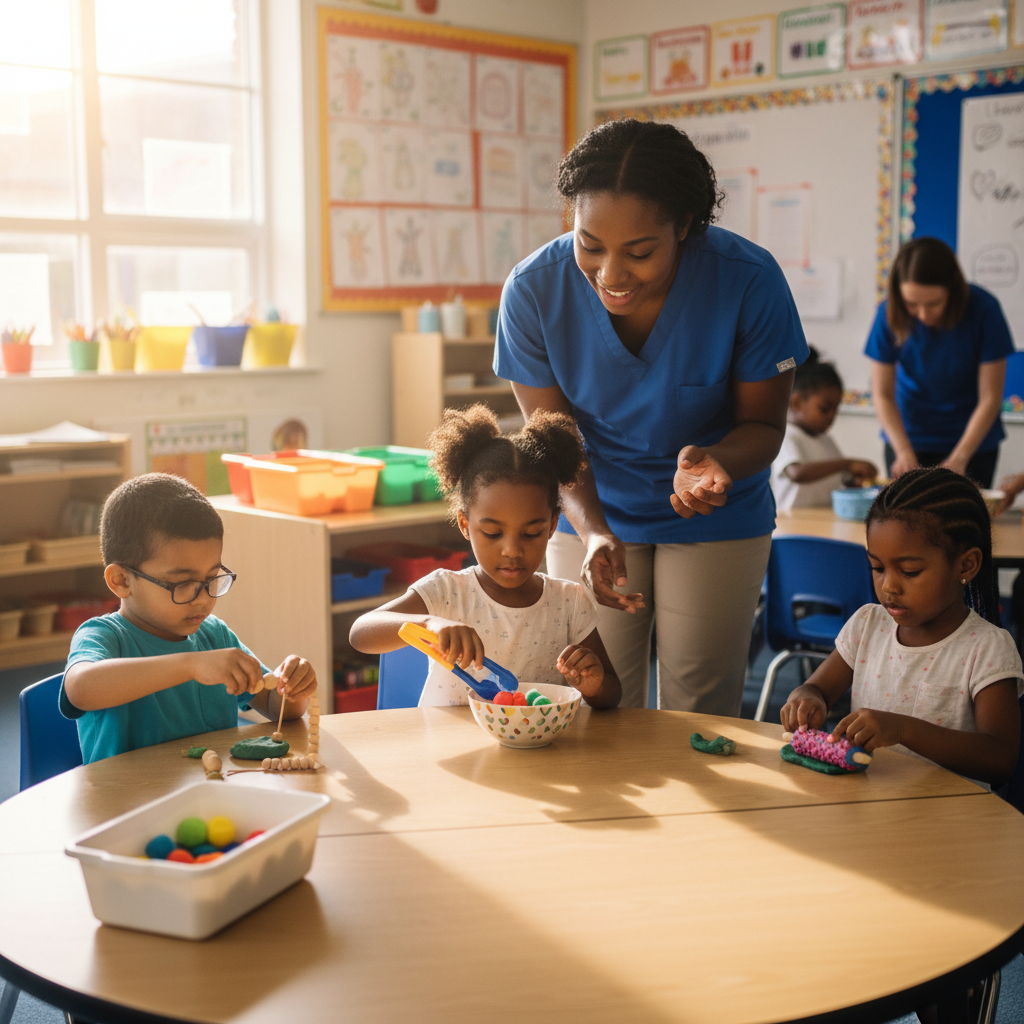
What Occupational Therapy Means in Simple Terms
Occupational therapy in schools is not only about children with formal diagnoses. At its core, it supports the everyday skills children need to function well in learning environments.
- Self-regulation
- Focus and attention
- Motor coordination
- Sensory processing
- Independence
These are not extra skills around the edges of education. They are the foundations that make the rest of learning possible.
The Problem Schools Are Facing
Many classrooms are trying to deliver academic content to children who are already dysregulated, overstimulated, physically uncomfortable, or mentally overwhelmed.
That combination leads to more behaviour issues, more redirection, more teacher stress, and less actual learning.
The question is often framed as why can this child not focus? A more useful question is does this child have the tools to focus?
What Regulation Actually Means
Focus is not just about willpower. It is strongly linked to a regulated nervous system.
A Regulated Child
Can attend, manage frustration, transition between tasks, and recover after setbacks.
A Dysregulated Child
May fidget constantly, avoid work, react emotionally, shut down, or act out.
You cannot teach effectively when a child is dysregulated. That is why regulation support is not separate from learning. It sits underneath it.
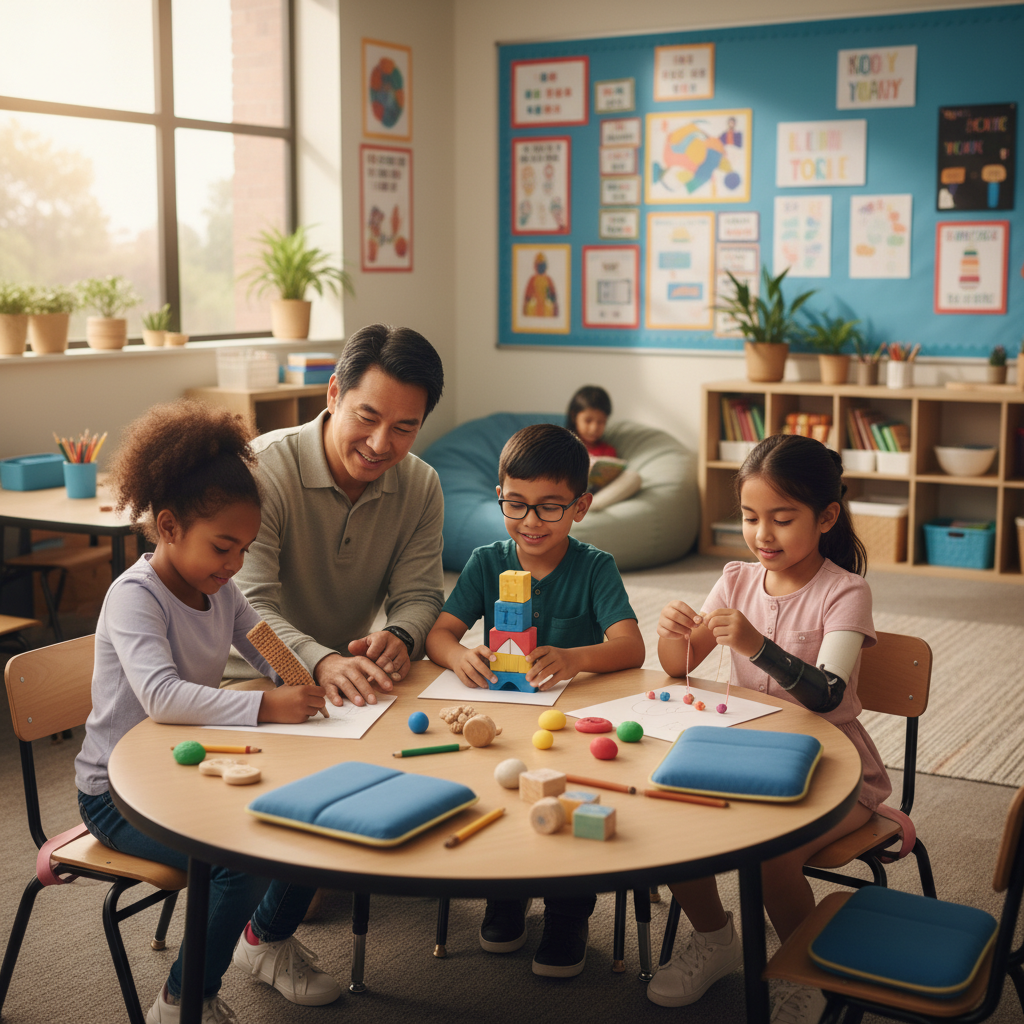
What Happens When OT Principles Are Integrated
When schools embed occupational therapy principles into everyday practice, the impact is not limited to a small group of pupils. The whole environment changes.
- Calmer classrooms with fewer disruptions
- Better focus and longer sustained attention
- Improved emotional control and fewer escalations
- Reduced teacher stress and less constant correction
It is not just about helping a few children with obvious needs. It improves the conditions for everyone.
Why This Matters Now More Than Ever
Children today are growing up in higher-stimulation environments, with more screen use, less physical movement, more structure, and earlier academic pressure.
That means more children are struggling to regulate, even if they do not meet formal thresholds for support.
What OT in Primary Schools Could Look Like
This does not mean a therapist attached to every child. It means embedding practical principles into the school day.
Movement
Short breaks, flexible seating, and active learning.
Regulation
Teaching feelings, calming strategies, and breathing techniques explicitly.
Sensory Awareness
Understanding what helps children focus and adapting the environment.
Task Design
Breaking work down to reduce overwhelm and build success step by step.
These are simple shifts, but they can have a disproportionate impact on how a classroom feels and functions.
The Bigger Shift Schools Need
We need to move away from asking why is this child not behaving? and toward asking what does this child need to be ready to learn?
That change in lens matters because it leads to support, not just correction.
The Impact on Children and Schools
- Children feel more in control and experience less repeated failure
- Confidence and engagement rise
- Negative labelling reduces
- Classrooms become calmer and more inclusive
- Teacher wellbeing improves alongside learning outcomes
Without regulation, learning becomes a struggle, behaviour becomes a problem, and potential is too easily missed.
Final Thought
Schools invest heavily in curriculum, assessment, and results. But all of that depends on one basic condition: a child being ready enough, physically and emotionally, to learn.
A useful question to leave with schools is this: are we teaching children what to learn without teaching them how to be ready to learn?