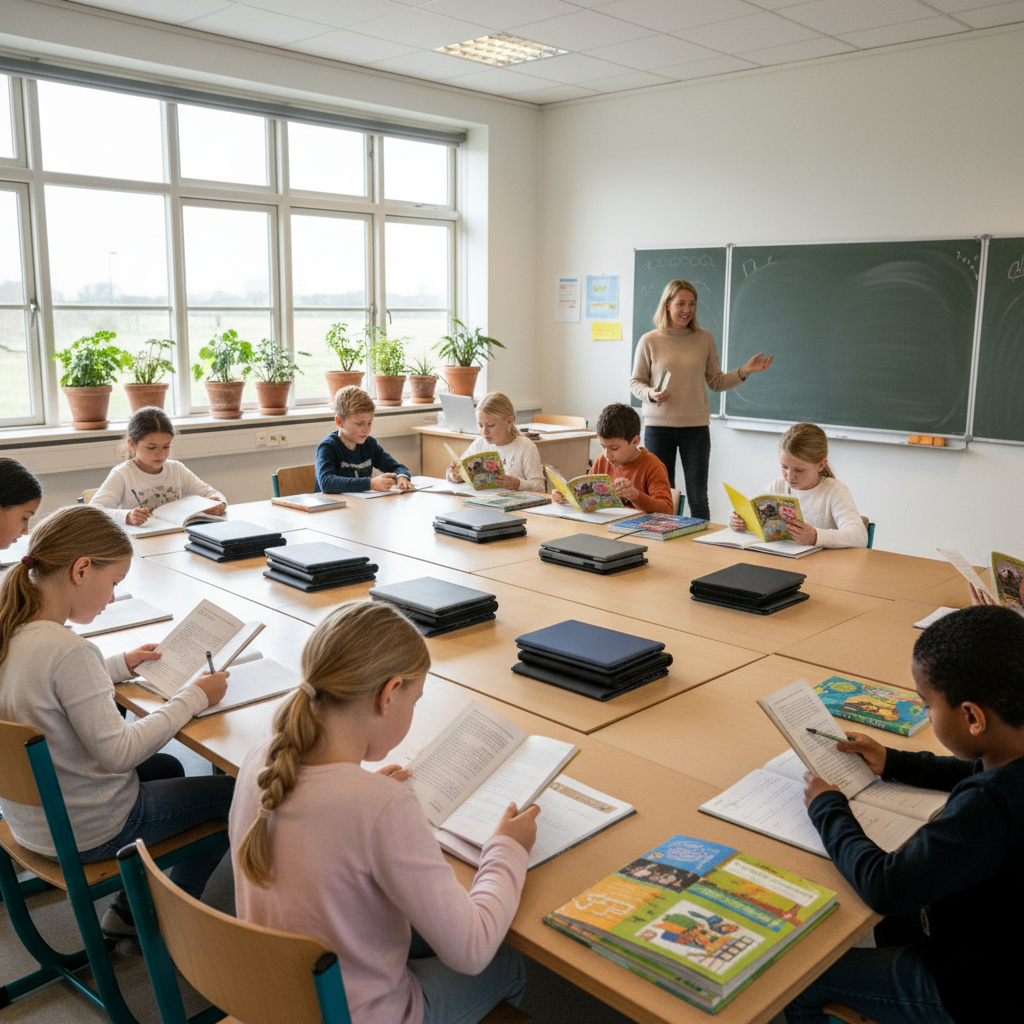
By around age 7, friendship stops being simple. Children need more than hope and luck. They need language, perspective, and a few clear truths that protect their confidence.
At around 7 years old, something often shifts. Friendships become more complex, more emotional, and more important. Children start noticing who they sit with, who they play with, who includes them, and who does not.
This is where many children quietly begin asking themselves painful questions: why do they not like me, or what did I do wrong? That is why it matters to teach them the things that actually protect them.
These are not just nice ideas. They are life skills that shape how a child sees friendship, self-worth, and belonging.
1. Not Everyone Is Going to Like You
That is okay. It helps to say something simple and honest: You do not like everyone either, and that is normal.
This protects children from chasing approval and from taking every social setback as proof that something is wrong with them.
2. You Do Not Have to Like Everyone, Just Be Kind
Children need to understand that respect is not the same as friendship.
You can be kind to someone without being close to them.
That lesson helps build boundaries and emotional safety.
3. A Real Friend Does Not Make You Feel Bad
This is one of the most important lessons children can learn early. If someone regularly makes them feel small, worried, or unhappy, that is not what friendship should feel like.
This gives children a way to recognise unhealthy friendships before they become normalised.
4. You Do Not Need to Change to Fit In
If your child feels they have to hide who they are, act differently, or constantly monitor themselves to belong, that is useful information.
Sometimes the healthiest message is this: then that might not be your group.
5. It Is Okay to Walk Away From a Friendship
This is rarely taught clearly enough. Children should know they are allowed to stop being friends with someone who does not treat them well.
That builds self-respect, confidence, and a sense of agency.
6. You Do Not Have to Earn Friendship
Some children start believing they need to please, give, or go along with things they do not want to do in order to keep people close.
A powerful message is this: friendship is not something you should have to earn by shrinking yourself.
7. Good Friends Do Not Have to Agree on Everything
Children often assume that belonging means thinking the same way as everyone else. But healthy friendship makes room for differences.
That helps children keep their own voice and avoid becoming overly dependent on group approval.
8. It Is Okay to Be You
This sounds simple, but it is foundational. The goal is not to help children fit in at all costs. It is to help them feel comfortable being themselves.
9. Some Kids Will Be Mean. Be Ready, Not Shocked
This is one of the hardest but most useful truths. Not every child will be kind all the time. Telling children to ignore it is rarely enough. They need preparation, not just reassurance.
Smart, Simple Comebacks to Practice
Give your child words they can use calmly and confidently.
That was not kind.
I do not like that.
I am not playing if you are going to say that.
Okay, I am going to go play somewhere else.
The goal is not to win. It is to help them stand their ground calmly.
Why This Matters So Much
Children who understand these things tend to take rejection less personally, choose friends more wisely, and feel more secure in themselves. They are also less likely to be controlled, bullied, or pulled into unhealthy group dynamics.
What Your Child Really Needs From You
Not for you to fix every situation. What they need most is conversation, guidance, and language they can actually use.
These are the conversations that shape how children see themselves and other people.
A Simple Start Tonight Version
- Not everyone will like you, and that is okay
- Real friends make you feel good
- You do not need to change to fit in
- You can walk away from people who are not kind
- Let us practice what you can say if someone is mean
Final Thought
Friendship is not something children simply figure out on their own. It is something they learn, practice, and grow into.
A sentence worth leaving them with is this: the right friends will like you for who you are. You do not have to change to find them.