
Inclusion Strategy
What We Can Learn from Norway About Supporting SEN
Norway offers a powerful reminder that SEN support should not begin only when a child has a label. Stronger systems design for need earlier, more flexibly, and with less stigma.
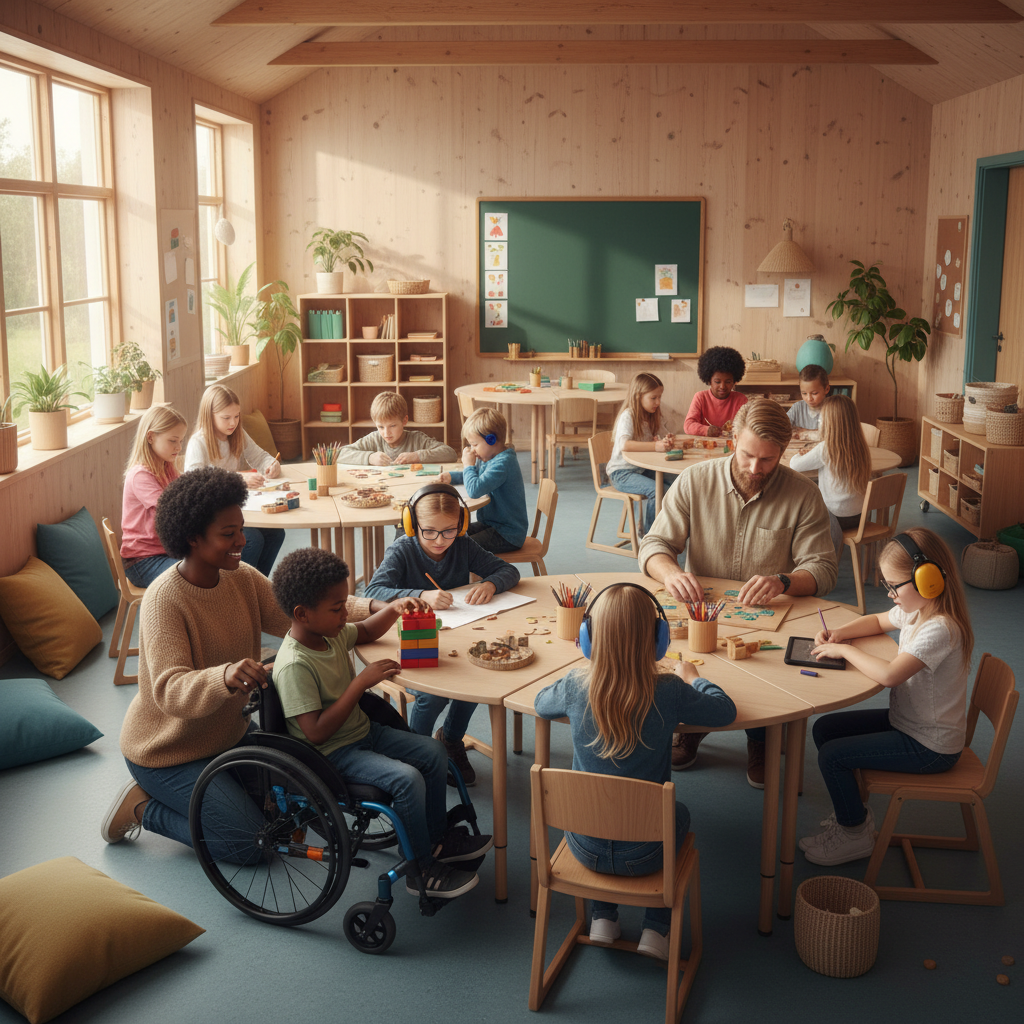
Many systems are built around reacting to need rather than designing for it from the start.
When schools talk about Special Educational Needs, the conversation often goes straight to diagnosis, interventions, support plans, and specialists. Those things matter. But the bigger question is whether the system itself is designed so that fewer children have to struggle before support appears.
The Norwegian Mindset
Norway does not start with the question: which children need support? It starts from a broader place: how do we design a system where more children can succeed before difficulty escalates?
Inclusion is not treated as a department. It is a whole-school responsibility.
Inclusion Is Not a Department
In many schools, SEN becomes a team, a department, or a specialist function. In the Norwegian approach, classroom teachers remain central. Support is more integrated, less separate, and more focused on adapting the environment rather than fixing the child.
That difference matters. When support is woven into everyday classroom practice, children are less likely to feel singled out and more likely to remain connected to the social life of the class.
1. Early Support Before Formal Diagnosis
One of the strongest lessons is simple: support should come before labels. Instead of waiting for formal assessment, teachers are expected to notice early signs, adjust teaching, and provide support immediately.

You do not need a diagnosis to meet a need. If a child is struggling now, the response should start now.
2. Flexible Teaching as the Default
Good teaching in this model is adaptive, responsive, and varied. It is not one pace, one method, and one expectation for every child. Flexibility reduces the number of children who fall behind, disengage, or become identified later because the original learning environment did not fit them.
3. Less Withdrawal, More Integration
In many systems, SEN support often means removal from class. Norway offers a different lesson: support can often be brought into the classroom instead. That protects belonging, reduces stigma, and keeps children connected to the peer group.
4. Wellbeing and Regulation Come First
Norwegian schools place strong emphasis on emotional safety, relationships, and calm learning environments. The logic is practical, not soft. A dysregulated child cannot access learning effectively, so connection, stability, and regulation have to come before academic intervention can work.

5. Teacher Trust and Autonomy
Teachers are trusted to adapt, respond, and make professional decisions. Systems that over-control teachers often slow down support because staff wait for permission, paperwork, or formal thresholds. When teachers are trusted, support can be quicker and more personal.
6. Fewer Labels, More Responsibility
Norway tends to focus less on categorising children and more on meeting needs as they arise. This can reduce over-labelling, reduce dependency on diagnosis, and reduce delays in support.
Many Systems
Support means paperwork, removal, and narrow measures of progress.
Norway's Lesson
Support becomes everyday teaching, early response, and broader progress.
What Schools Can Take From This
- Stop waiting for diagnosis before acting.
- Build adaptive teaching into every classroom.
- Keep children in the classroom where possible.
- Prioritise regulation before intervention.
- Trust teachers to respond professionally and quickly.
What This Is Not
This is not about lowering standards, ignoring needs, or removing specialist support. It is about building a system where fewer children need intensive support in the first place because classrooms are more responsive from the start.
Final Thought
Norway does not have a perfect system. But it offers a powerful reminder that SEN is not only about the child. It is also about the system they are placed in.
A question worth asking is this: are we designing learning for the average child and supporting the rest, or designing a system where more children can succeed from the start?