Future-Ready Schools
What the Best Schools Are Quietly Doing Differently
The most forward-thinking schools are not only producing high achievers. They are building capable, confident, grounded young people through experiences many systems still treat as optional extras.
When people think of top schools, they usually think of results, university destinations, and academic excellence. Those things still matter, but they are no longer the full picture.
If you look closely at some of the most forward-thinking schools, something else is happening. They are not only producing high performers. They are deliberately developing capable, confident, grounded young people who can function beyond the structure of school.
The future is not going to reward only the most academic child. It will reward the most adaptable, capable, and confident one.
That is why the best schools are quietly embedding experiences that build responsibility, resilience, real-world competence, and identity. Not as enrichment at the edges, but as part of the core experience.
What This Looks Like in Practice
1. Student Wellbeing Ambassadors
Not posters about wellbeing, but students actively trained to notice when someone is struggling, offer support, and guide peers toward help. This builds empathy, responsibility, and real social awareness. Wellbeing becomes something students participate in, not only something adults deliver.
2. “Old School” Skills Coming Back
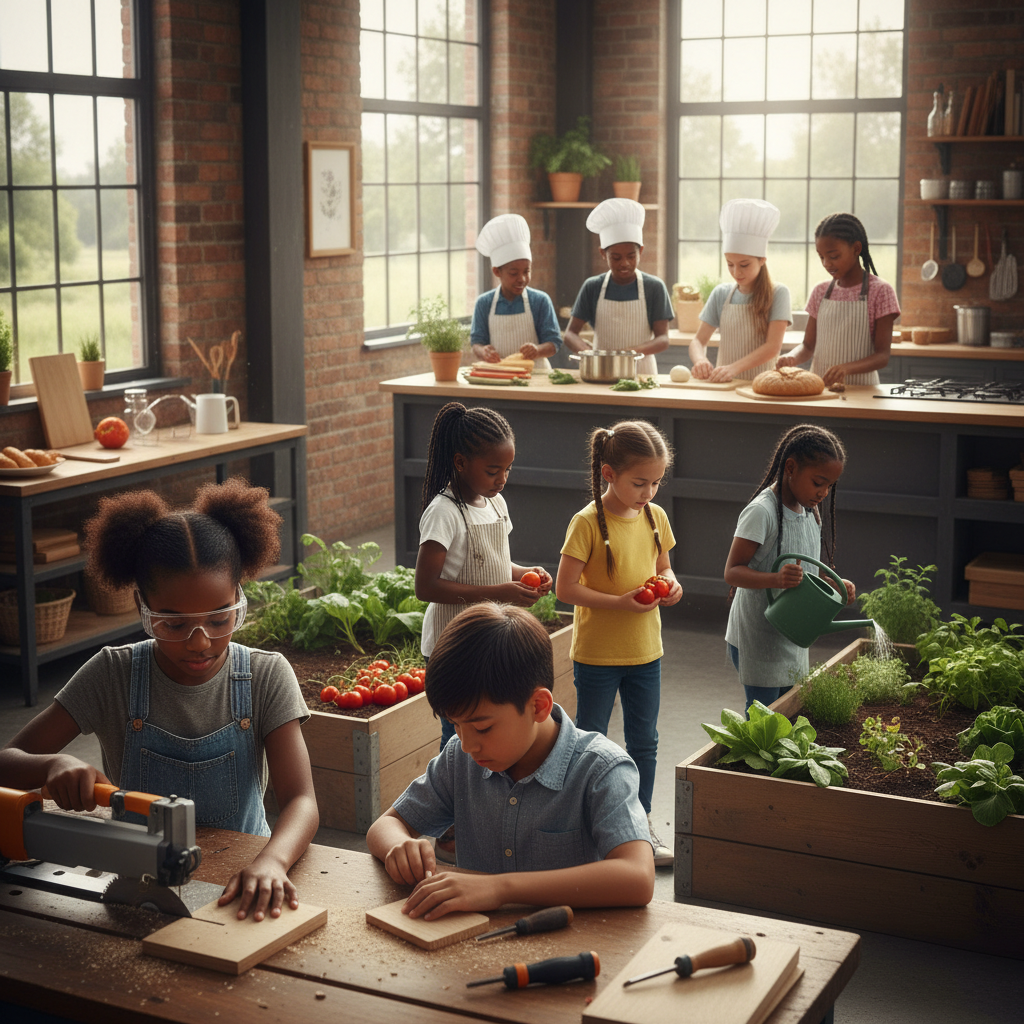
Woodwork, hands-on building, gardening, sewing, and practical making are returning in some of the strongest schools because children need to feel competent in the real world, not only efficient on screens.
3. Real Cooking Skills
Not occasional themed activities, but actual cooking, understanding ingredients, and kitchen responsibility. It builds independence, confidence, and competence in one of the most ordinary but essential parts of adult life.
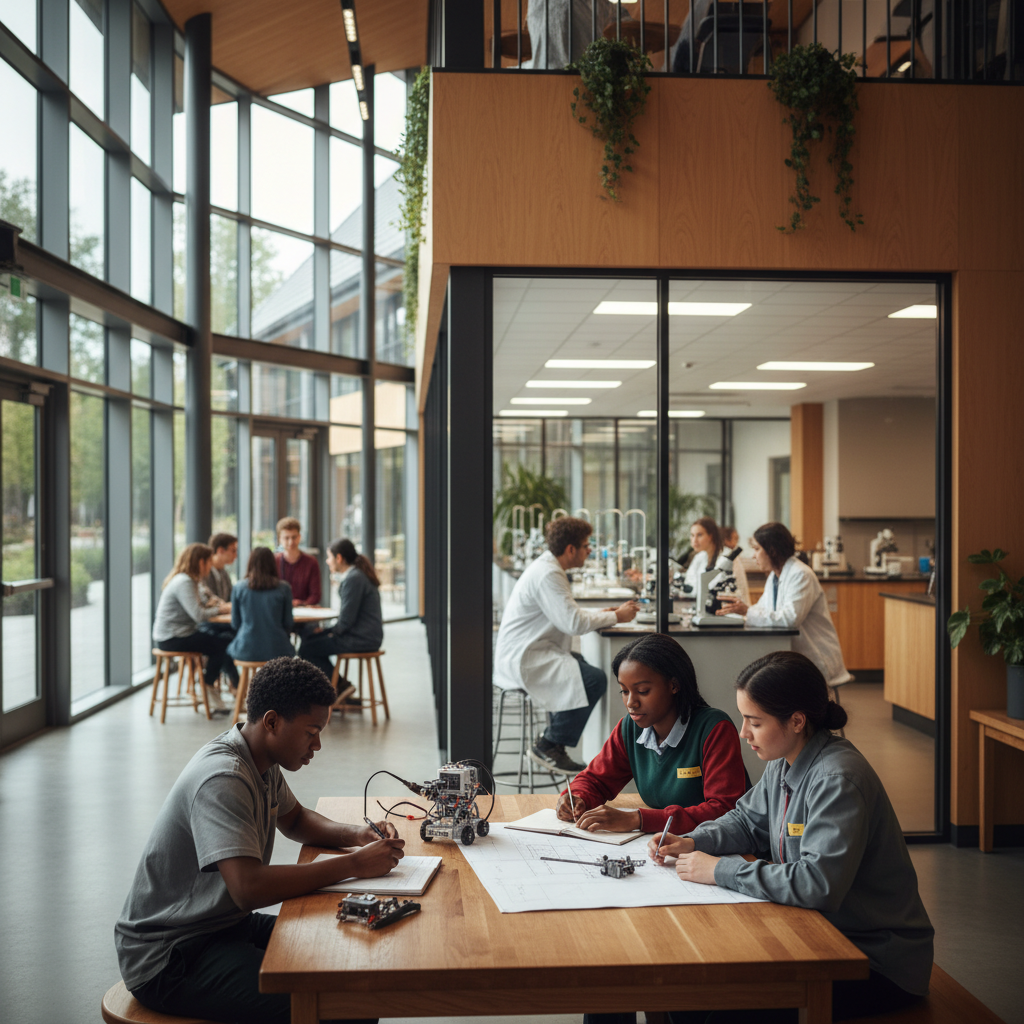
4. Robotics, Chess, and Strategy in the Core Experience
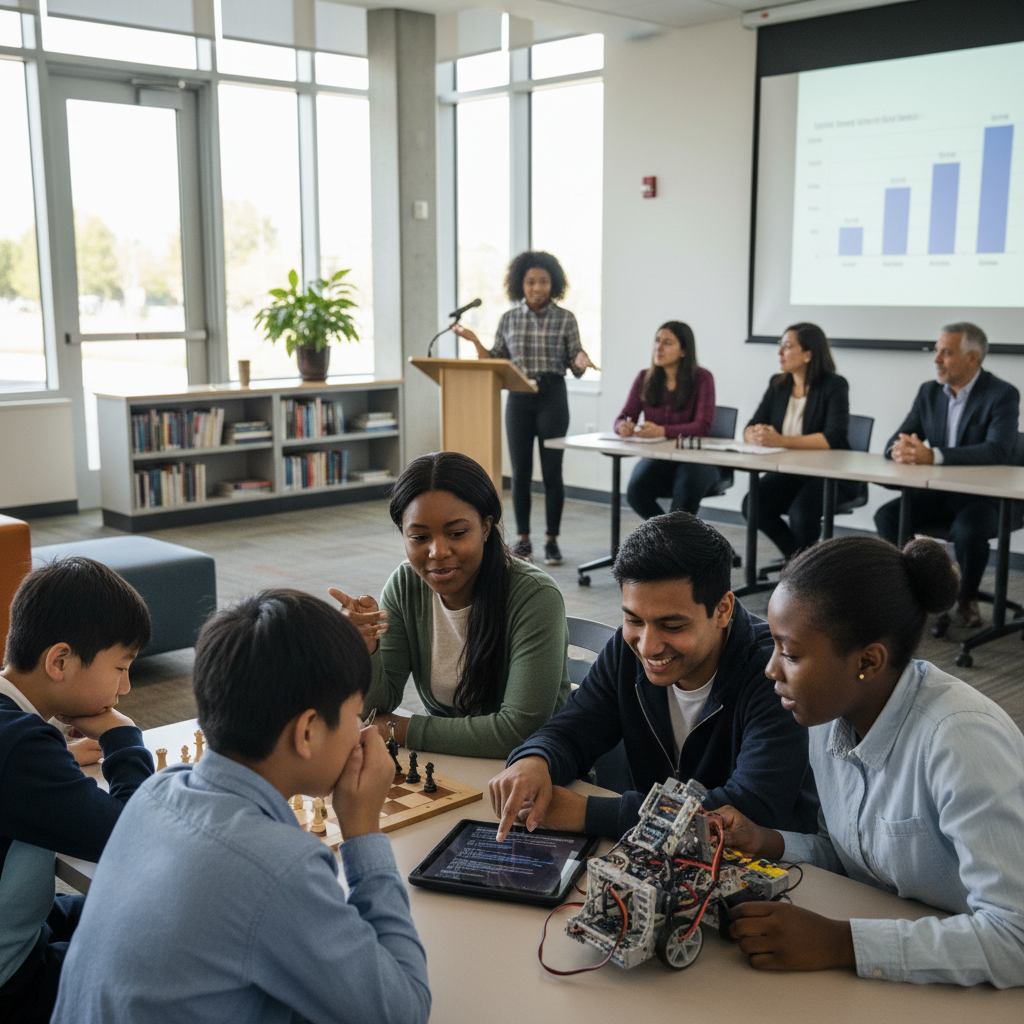
In stronger schools these are not always hidden away as clubs. They are used deliberately to build logic, focus, decision-making, and disciplined thinking.
5. Music for Every Child
Not only for the already confident or obviously talented. Music teaches patience, mastery, discipline, listening, and persistence through repeated practice.
6. Headmaster for a Day
When done properly, this is more than symbolism. Students lead, observe decisions, understand systems, and gain perspective on responsibility from the inside.
7. Responsibility Through Real Life
Caring for chickens, school animals, or shared spaces teaches routine, accountability, and responsibility in ways assemblies alone never can.
8. Start-Up Simulations
Students create ideas, build projects, solve problems, and test initiative. They learn resilience and risk-taking by actually doing, not just hearing about entrepreneurship as an abstract aspiration.
9. Older Students Mentoring Younger Ones
When structured well, peer mentoring builds leadership, belonging, and a stronger sense of community across the whole school.
10. Executive Function Taught Explicitly
Organisation, planning, time management, and self-management are not assumed. They are taught. The best schools understand that functioning well does not happen automatically.
Why Most Schools Still Miss This
Most of these practices are still treated as nice-to-have, optional, or enrichment for when time allows. That is the mistake. The strongest schools know these are not extras. They are the foundations of real-world readiness.
Old View
These are enrichment, extras, or optional enhancements.
Best-School View
These experiences shape confidence, competence, and long-term functioning.
Strategic Shift
Move from improving only results to building young people who can actually function, lead, and thrive.
The schools that stand out are not the ones doing more of the same. They are the ones brave enough to ask what students will actually need when nobody is telling them what to do.
Final Thought
If students left your school tomorrow, could they handle real life or only school? That is the question the best schools are quietly answering differently. And it has very little to do with simply adding more exams.
A question worth taking to your leadership team is this: if our students left tomorrow, could they handle real life or just school?