Many schools believe classroom technology is under control. In reality, the system often looks tighter on paper than it feels in practice.
Policies usually sound sensible. iPads are meant to be used only in specific lessons, websites are restricted, apps are filtered, and technology is described as purposeful rather than excessive.
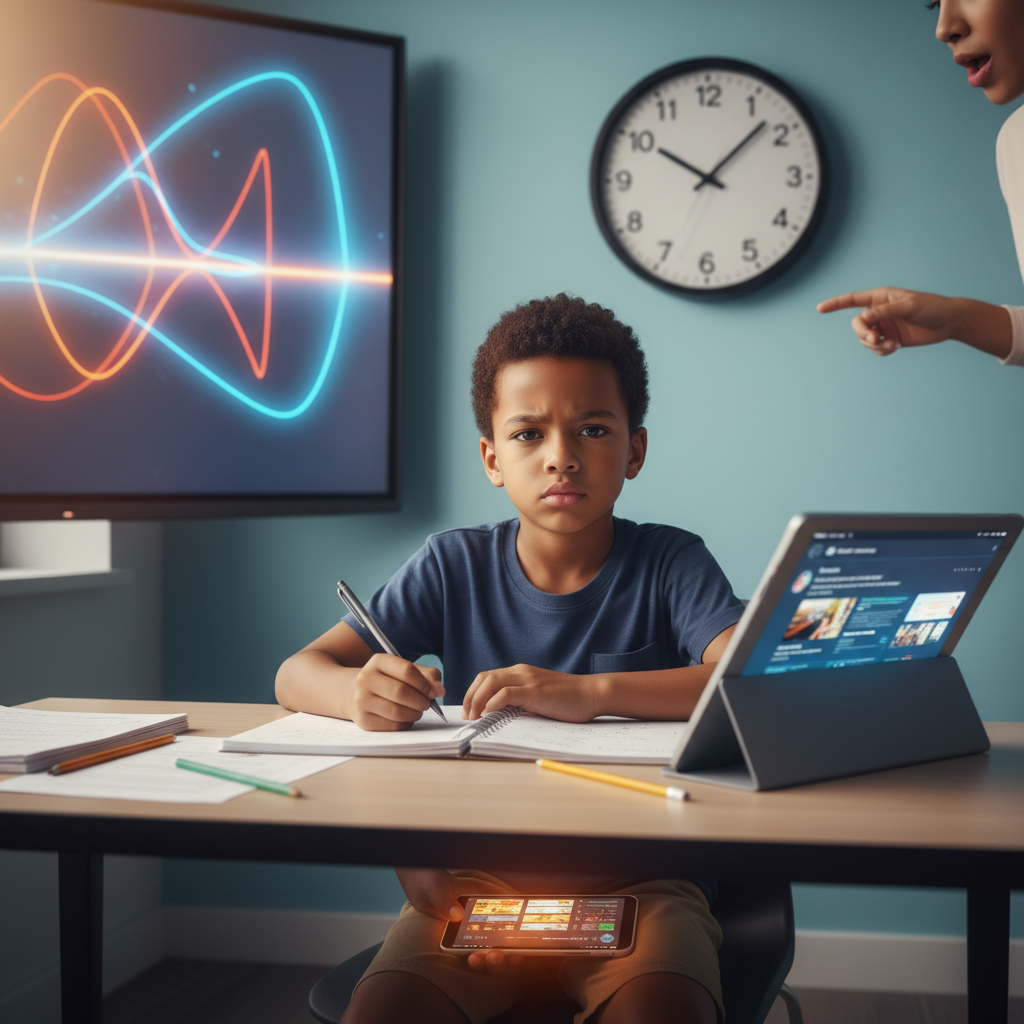
But step into enough classrooms and a different pattern starts to show. Pupils flick between tabs, games disguise themselves as learning, tasks are completed quickly and then attention drifts, and students often find workarounds faster than adults can update restrictions.
The system looks controlled, but in many classrooms it is far less controlled than leaders think.
The Uncomfortable Truth
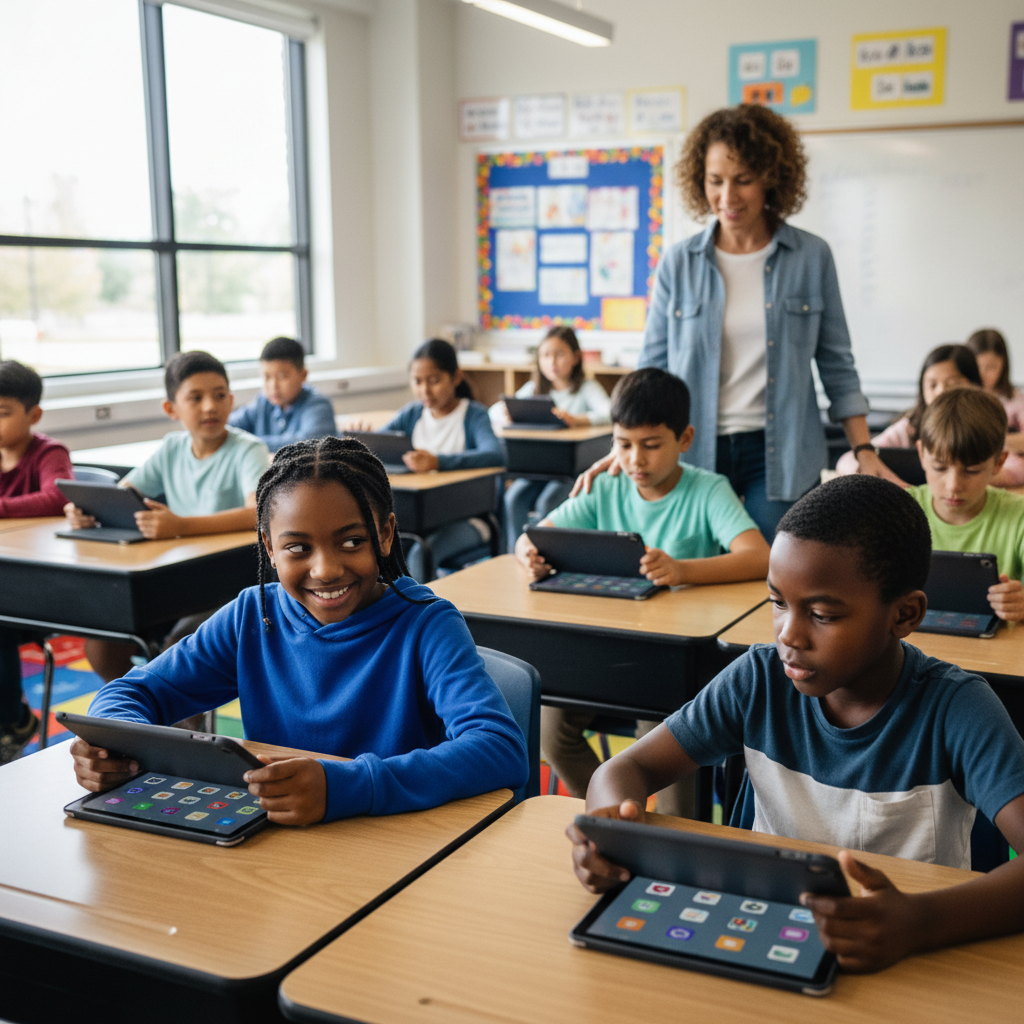
Children are not simply using devices for learning. Many are also gaming the system, bypassing restrictions, and constantly switching attention. That is not because they are uniquely difficult. It is because they are growing up inside digital environments designed to pull attention apart.
This is not a criticism of teachers. It is the reality of a generation raised on technology inside a system that often still thinks containment is the same as control.
What Is Really Happening in Classrooms
Shadow Use
Pupils finish tasks, switch tabs, hide games, and look busy while attention disappears.
Filter Limits
VPNs, mirror sites, and alternative apps keep schools in a constant reactive cycle.
Attention Cost
Every switch, check, and dopamine hit trains the brain to prefer distraction over sustained effort.
Regulation Strain
School screen time is often added on top of already overloaded digital lives at home.
That combination quietly erodes attention span, increases irritability, lowers tolerance for effort, and contributes to the behavioural friction many schools are already trying to reduce.
The Intention Versus Reality Gap
Schools typically intend to use devices to improve engagement, streamline learning, and make lessons more efficient. But too often what actually grows is surface completion, fragmented attention, and less deep thinking.
The question is no longer whether technology can support learning. It is whether current school use is genuinely doing so.
Six Practical Shifts Schools Need
1. Be Selective, Not Constant
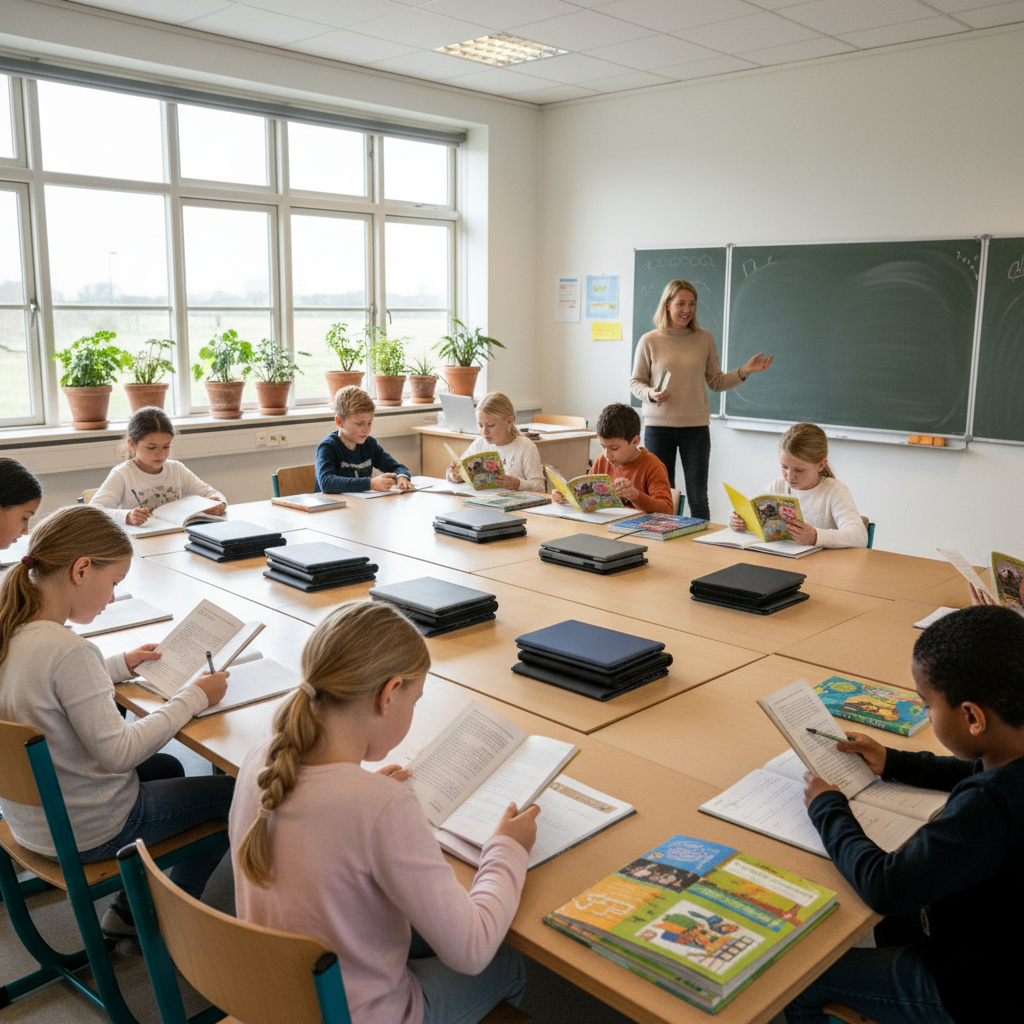
Technology should be used when it genuinely improves the task. It should not become the default medium for everything. A useful leadership question is simple: is this better than paper for this task? If not, there is no reason to force the screen.
2. Time-Limit Device Use Within Lessons
Open-ended device use almost always invites drift. Shorter, clearly bounded technology windows with explicit screens down moments help protect pacing and attention.
3. Increase Visible Accountability
This is not about surveillance. It is about visibility. Screens angled toward the teacher, active circulation, and regular check-ins reduce misuse far more effectively than static filters alone.
4. Teach Digital Self-Regulation Explicitly
Schools hand out devices but rarely teach students how distraction works, how to resist switching, or how to stay on task when the device itself invites the opposite. That needs to become explicit teaching, not an assumption.
5. Accept That Some Tasks Should Stay Screen-Free
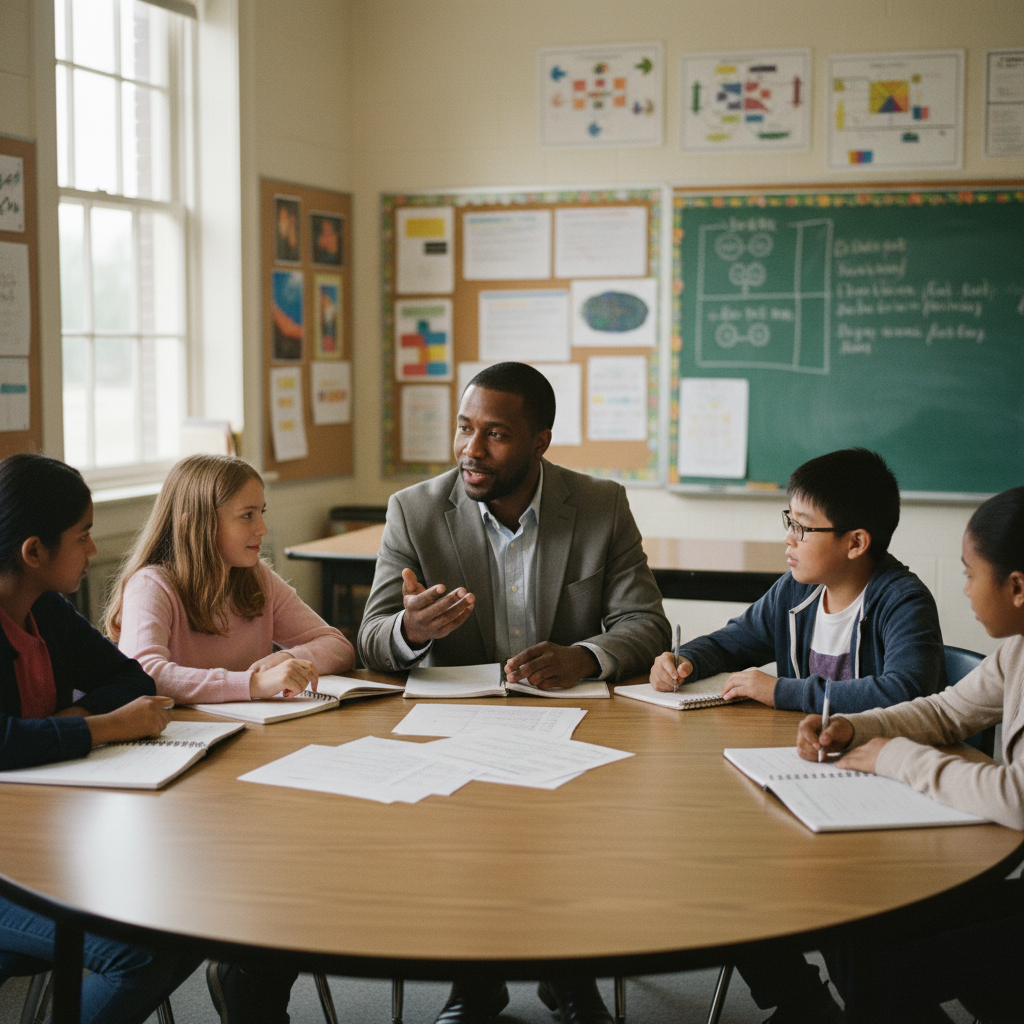
Deep reading, extended writing, thoughtful discussion, and complex problem-solving often work better away from screens. Schools should stop feeling embarrassed about protecting those spaces.
6. Balance Stimulation With Regulation
If pupils are on screens in lessons, the day also needs movement, transitions, discussion, and non-digital learning. Otherwise schools are increasing dysregulation while expecting children to self-manage more effectively.
What Schools Need to Stop Doing
- Assuming filters solve the problem
- Over-relying on devices as a shortcut to engagement
- Ignoring off-task behaviour because pupils appear busy
- Adding more technology without reviewing the real impact on attention
These habits do not create modern learning. They create modern distraction wrapped in the language of innovation.
The Bigger Question
This is not really about iPads. It is about the kind of learner a school is shaping. Are students becoming more able to focus, think deeply, and sustain effort, or more dependent on stimulation and constant switching?
Final Thought
Technology is not the enemy. But unmanaged technology is. And in many classrooms, it is being managed less than schools think.
One question for school leaders matters here: are our devices improving learning, or quietly undermining it?