Classroom Conditions
The Hidden Distractions in Our Classrooms That No One Is Talking About
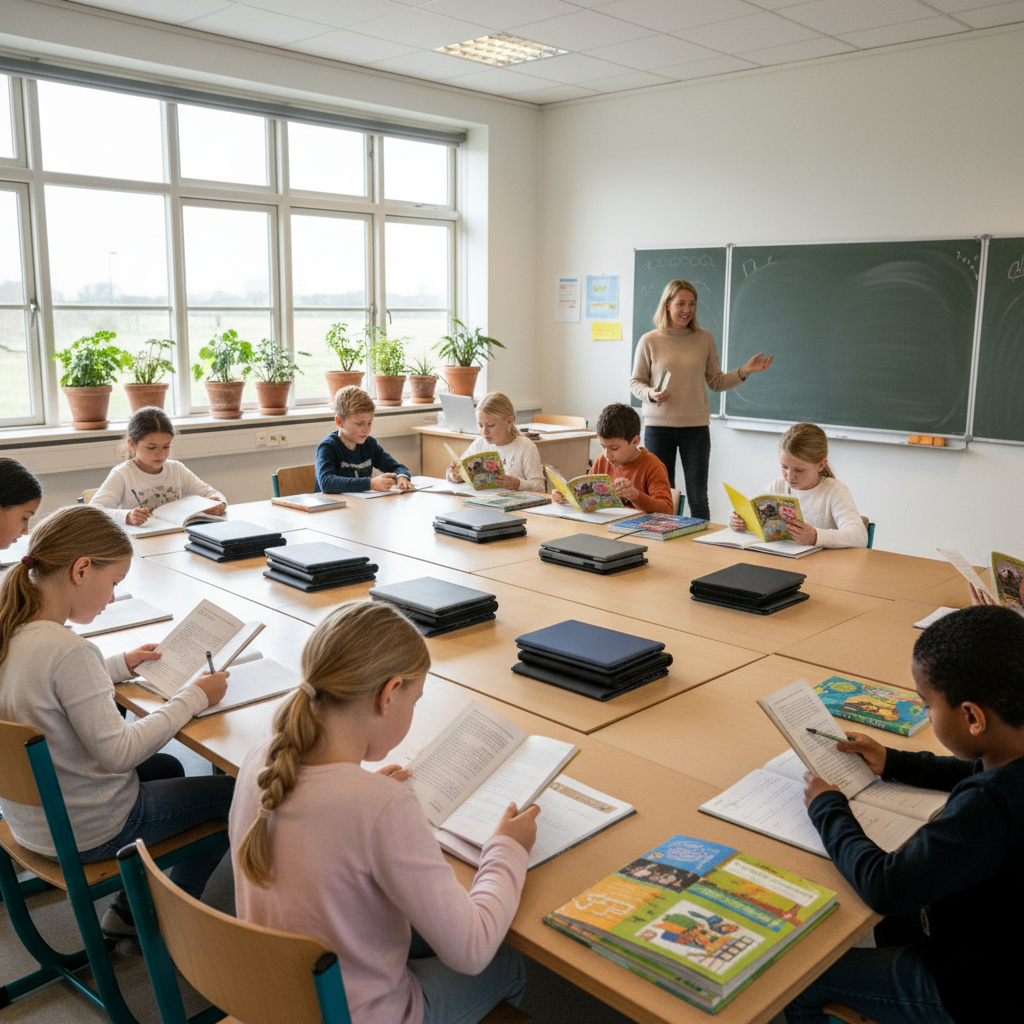
The biggest barriers to learning are not always the obvious ones. Many are built quietly into the environment itself, then mistaken for “just how school is.”
When we think about distraction in classrooms, we usually picture the obvious: side conversations, wandering attention, maybe a child staring out of the window. But the real distractions are often quieter, more normalised, and built into the system itself.
That is why they are so easy to miss. Many of them are not recognised as barriers at all. They are treated as part of the background of school, even when they are quietly undermining focus, regulation, confidence, and learning every day.
1. The “Disruptive” Child Who Is Actually Dysregulated
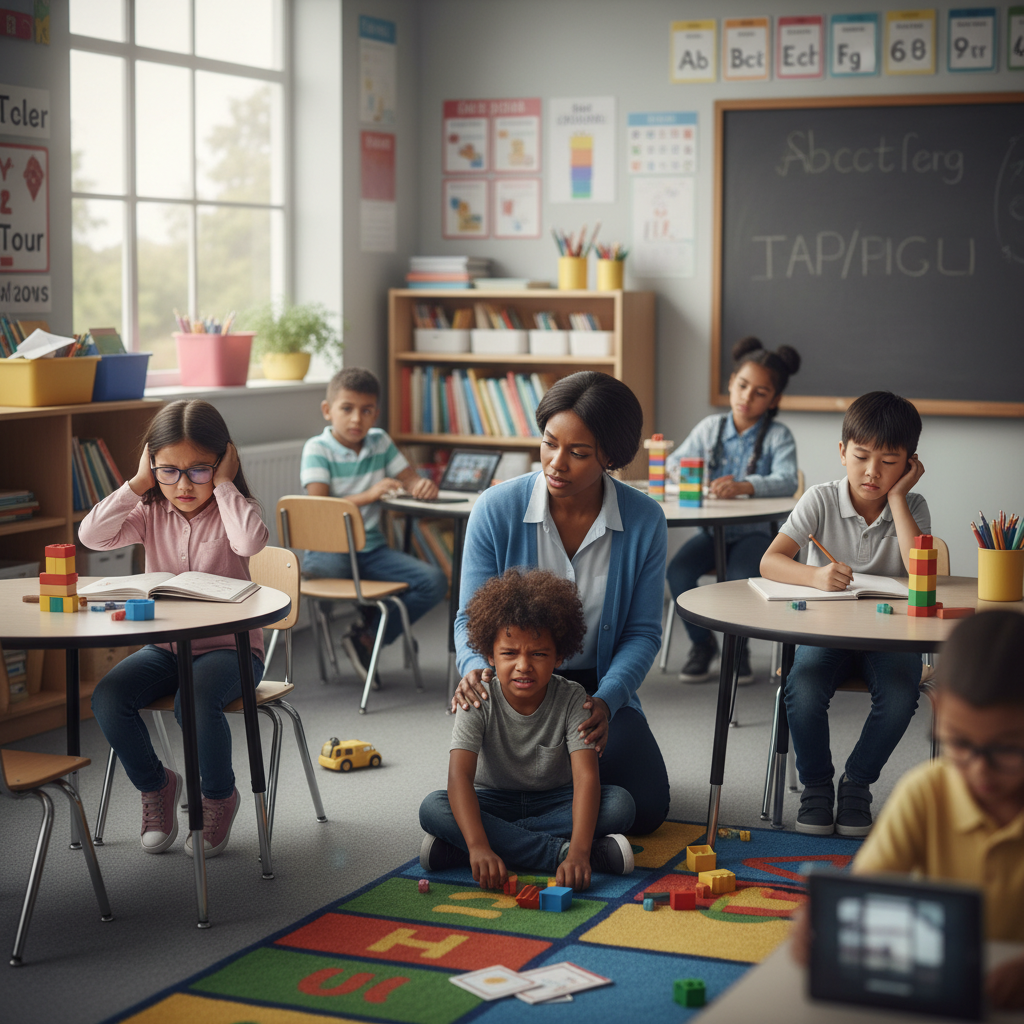
Every classroom has one. The child who calls out, jokes at the wrong time, struggles to sit still, or seems to derail the lesson. It is easy to label that child as distracting. But often the deeper reality is that they are dysregulated, not deliberately disruptive.
When a child is overwhelmed, anxious, or under-stimulated, their brain shifts toward survival. Learning becomes secondary. Movement, noise, silliness, and interruption become coping mechanisms.
What looks like distraction is often distress.
And the impact spreads. Teacher attention shifts. Other students lose focus. The energy of the room changes. One child without the tools to regulate can unintentionally affect the whole classroom.
2. When “Engaging” Becomes Overstimulating
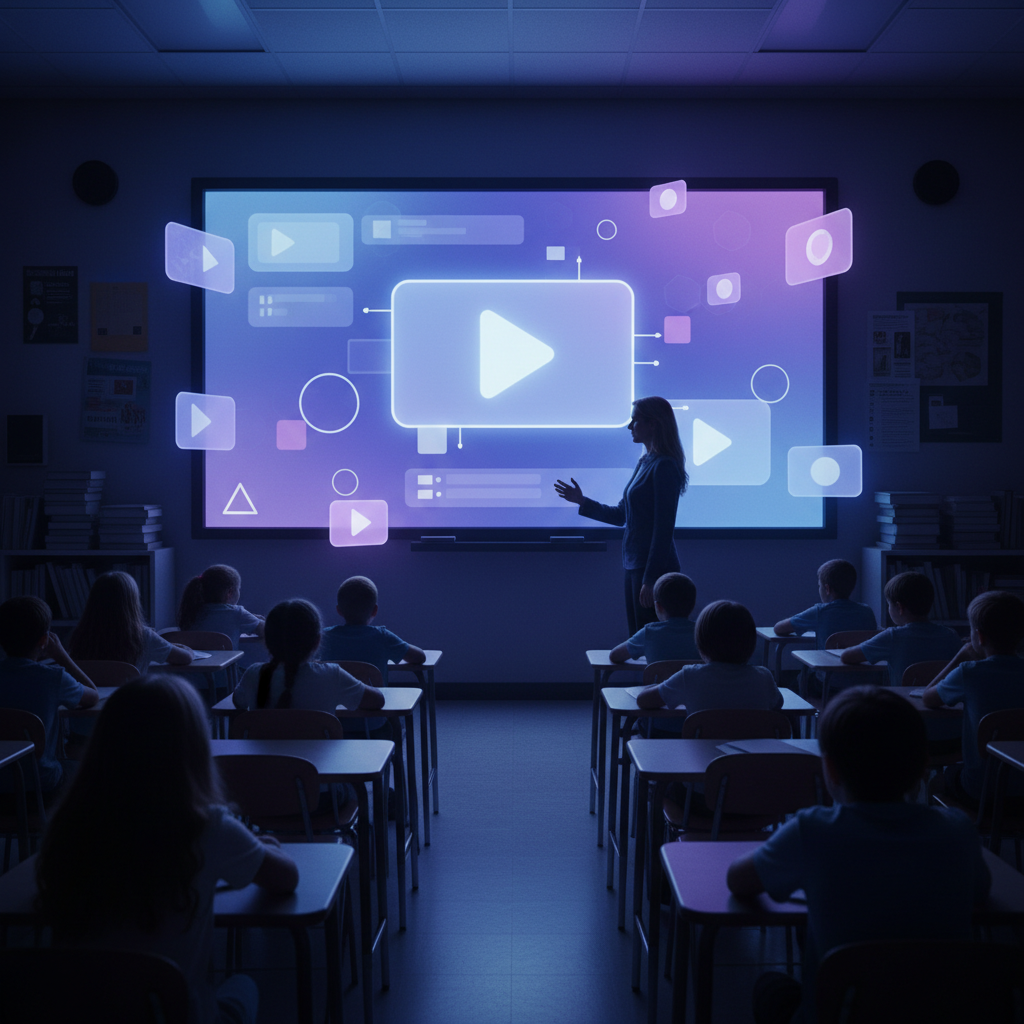
Smart boards, bright visuals, interactive slides, videos, and animations are now common in modern classrooms. They are usually well-intentioned and designed to increase engagement. But there is a tipping point.
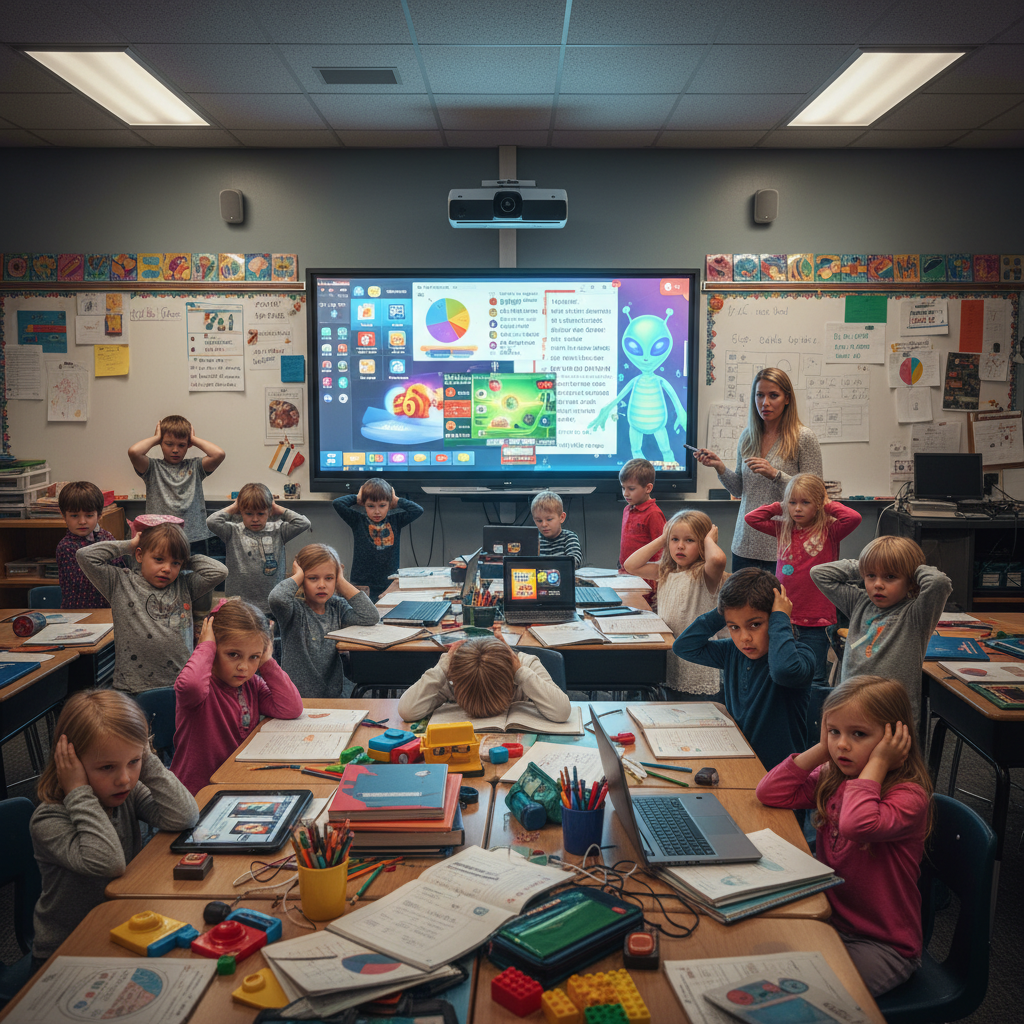
For many students, especially younger children or those with sensory sensitivities, constant high stimulation reduces attention span, increases dependence on fast-paced input, and makes quieter tasks such as reading, writing, and thinking feel flat or intolerably dull.
Technology is not the problem. Unbalanced use is.
3. The Silent Drain of Sedentary School Days
A typical school day still involves a lot of sitting. Sit for lessons. Sit for independent work. Sit during lunch. Sit indoors at break when routines or weather push movement aside. Movement becomes the exception rather than the norm.
But the brain needs movement to function well. Without it, students become restless, lose concentration, and seek stimulation in ways adults often label as misbehaviour. When break times move indoors, energy builds, social tension rises, and classrooms feel heavier, louder, and harder to manage.
4. Cognitive Overload: Too Much, Too Fast
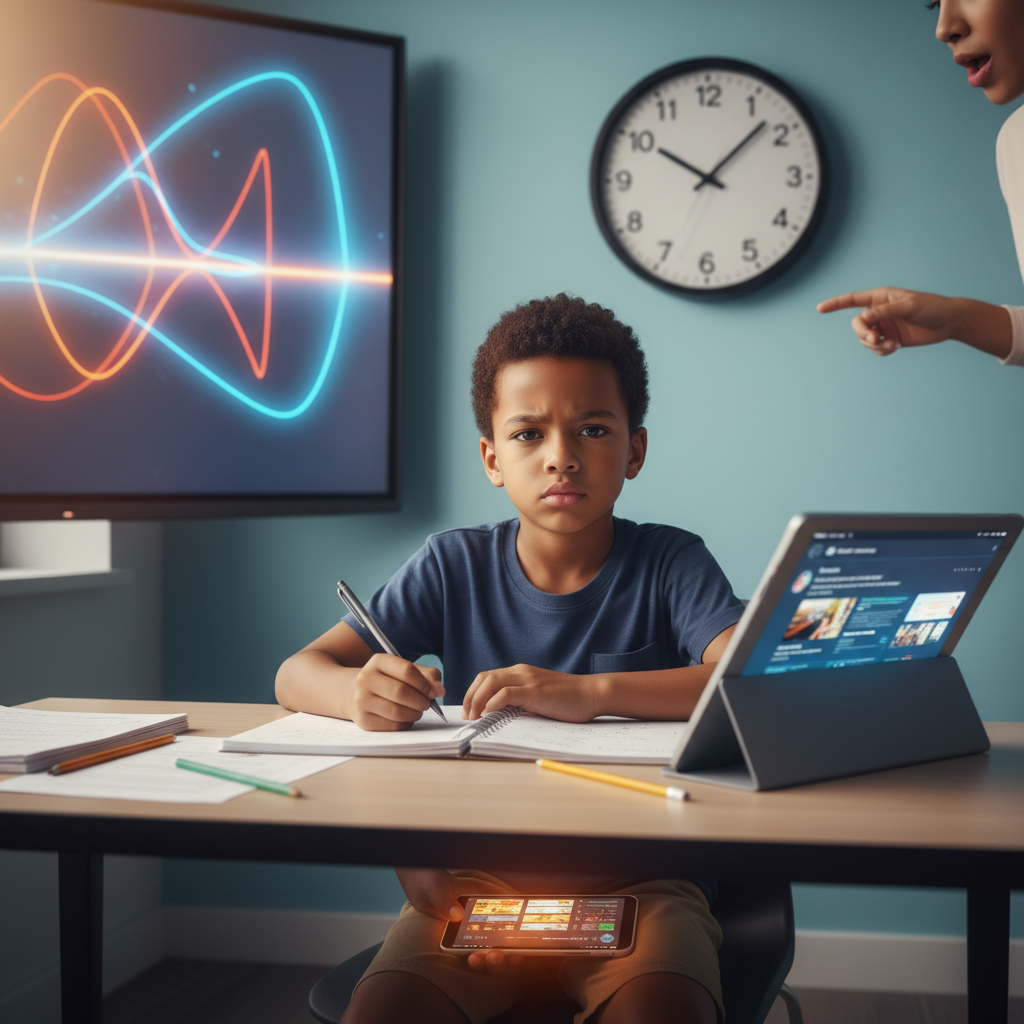
Another hidden distraction is cognitive overload. Fast-paced lessons, packed curricula, and constant transitions mean students are expected to listen, process, write, and respond at speed. But brains do not all process at the same rate.
When the load becomes too high, some students shut down, others act out, and many quietly disengage. The distraction is not outside them. It is internal overwhelm.
5. The Pressure to Behave Instead of Understand
In many classrooms the emphasis is still on control: quiet lines, hands up, sit still, stay on task. But compliance does not equal engagement. A child can look beautifully behaved while being mentally checked out, confused, or anxious. Another child who fidgets or talks may actually be trying to stay engaged.
Schools have become increasingly skilled at managing behaviour. They have been less skilled at understanding what behaviour is communicating.
Old Lens
How do we stop this behaviour?
Better Lens
What is this behaviour telling us about regulation, overload, or unmet need?
System Shift
Move from managing surface behaviour to designing conditions for focus and safety.
What Schools Can Do Differently
1. Build Regulation Into the Day
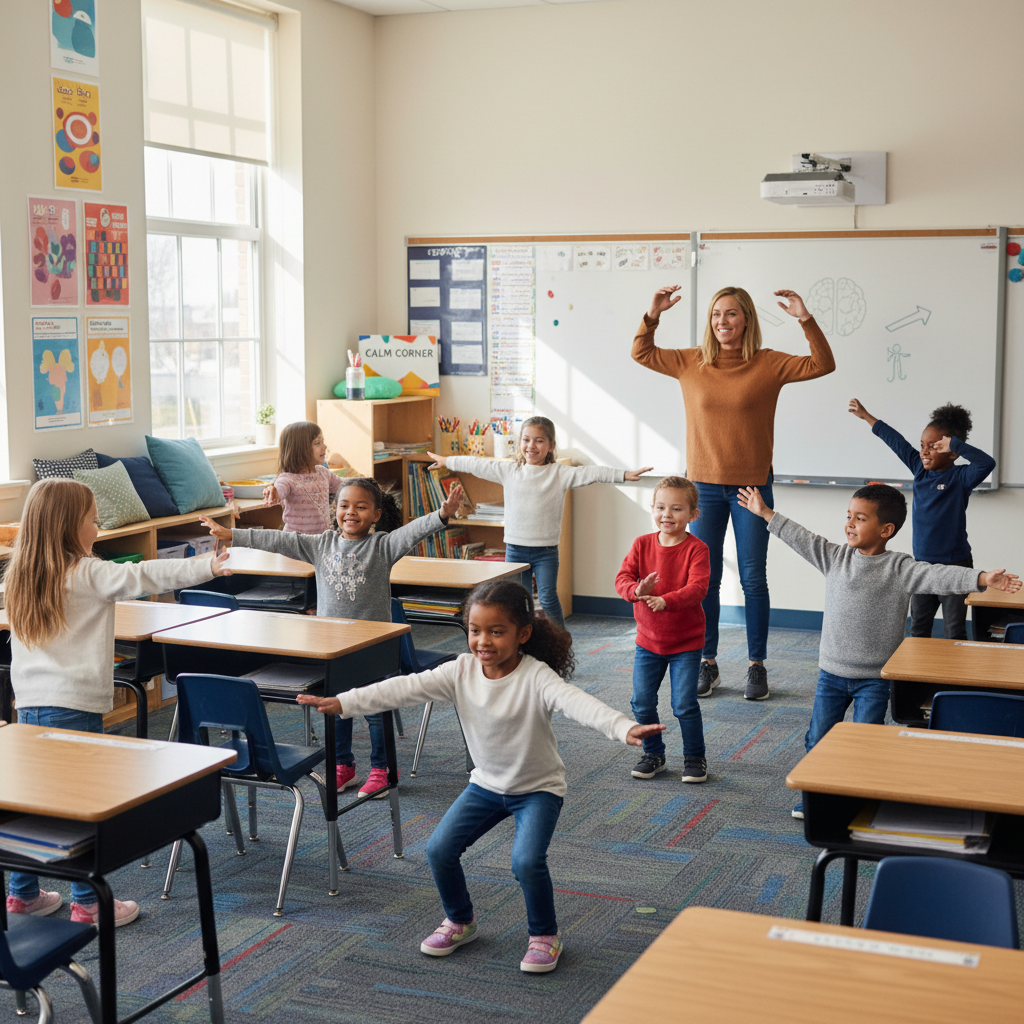
Short movement breaks, calm corners, reset spaces, and explicit teaching of self-regulation strategies help students manage themselves rather than simply being told to control themselves.
2. Balance Stimulation
Use technology intentionally, not constantly. Mix high-energy inputs with quiet thinking time. Create visually calmer spaces that do not demand attention from every surface.
3. Prioritise Movement
Movement should not be treated as a reward students earn after compliance. It is a basic condition that helps many children regulate, focus, and learn well.
4. Slow the Pace
Thinking time matters. So does depth. Learning sticks when it is processed, not rushed.
5. Shift From Control to Understanding
This is the deepest shift of all. Instead of asking how to stop the behaviour, ask what the behaviour is telling you. That single question changes how classrooms are led, how children are seen, and what support actually gets built.
The classroom environment is part of the curriculum. Its pace, noise, expectations, and structure teach students just as much as the lesson content itself.
Final Thought
The biggest distractions in classrooms today are not always the obvious ones. They are often the ones schools have normalised: overstimulation, under-movement, overload, dysregulation, and pressure to appear “good” instead of being genuinely ready to learn.
Once schools start noticing them, they can start changing them.
Learning does not happen in spite of the environment. It happens because of it.