School Culture
The Hidden Cost of Performance-Based Schools That No One Says Out Loud
Performance-based education does not just measure children. It quietly teaches them what success means, how safe mistakes feel, and what to believe about themselves when they struggle.

Let's drop the polite version for a moment. Performance-based education does not just measure your child. It quietly reshapes them, and not always in ways you would choose if you saw it clearly from the start.
Shock #1: It Trains Children to Value Themselves by Output
In these systems, children quickly learn that doing well means they are smart and doing badly means something is wrong with them. The long-term effect is deeper than most people realise. Their self-worth becomes tied to results, not growth.
So instead of thinking, “I do not understand this yet,” they begin to think, “I am just not good at this.” That shift is subtle, powerful, and difficult to undo later.
When output becomes identity, every result starts to feel personal.
Shock #2: It Rewards Compliance More Than Curiosity
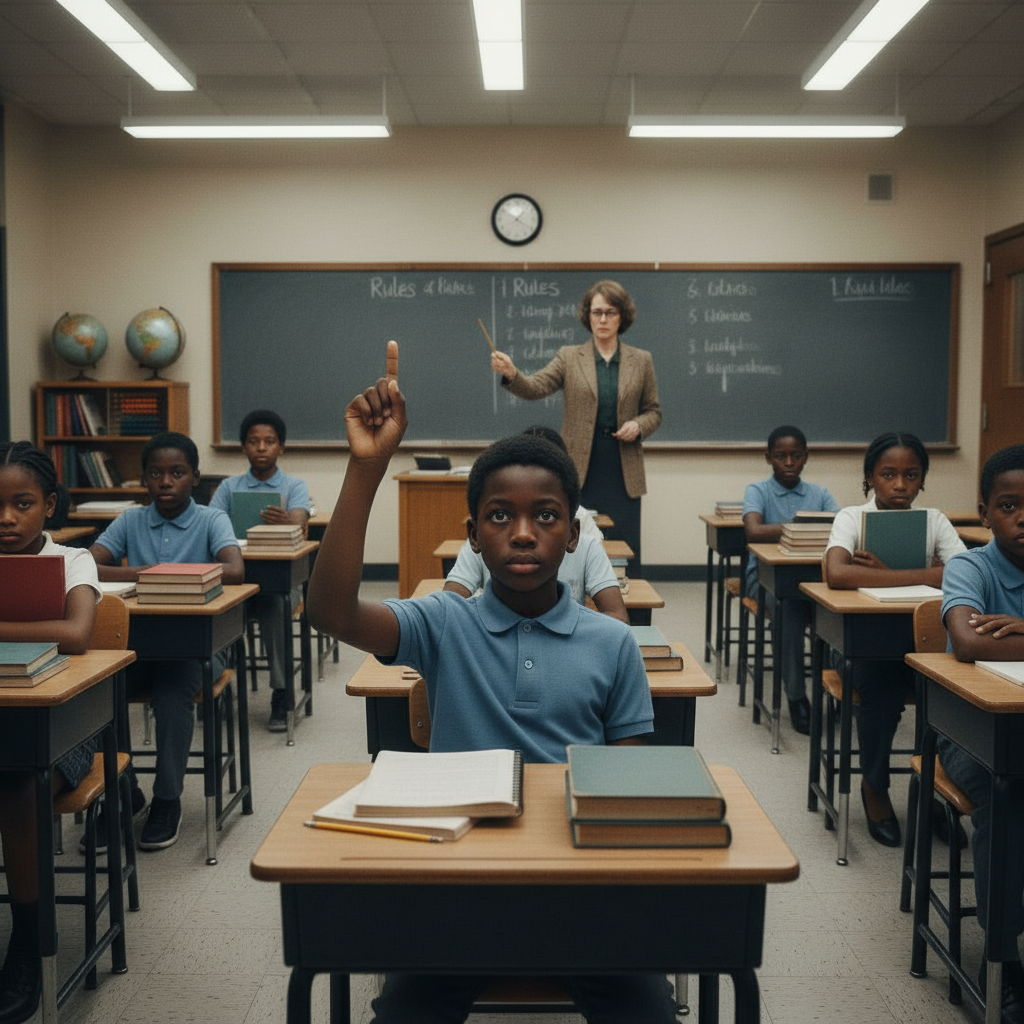
Performance systems often favour students who follow instructions well, memorise effectively, and perform under pressure. But real life rewards people who question things, think independently, and take risks.
That means the child who asks fewer questions can often succeed more easily in school, while the more curious child may be seen as distracted, slow, or not focused enough.
Shock #3: It Creates Fear of Failure Very Early
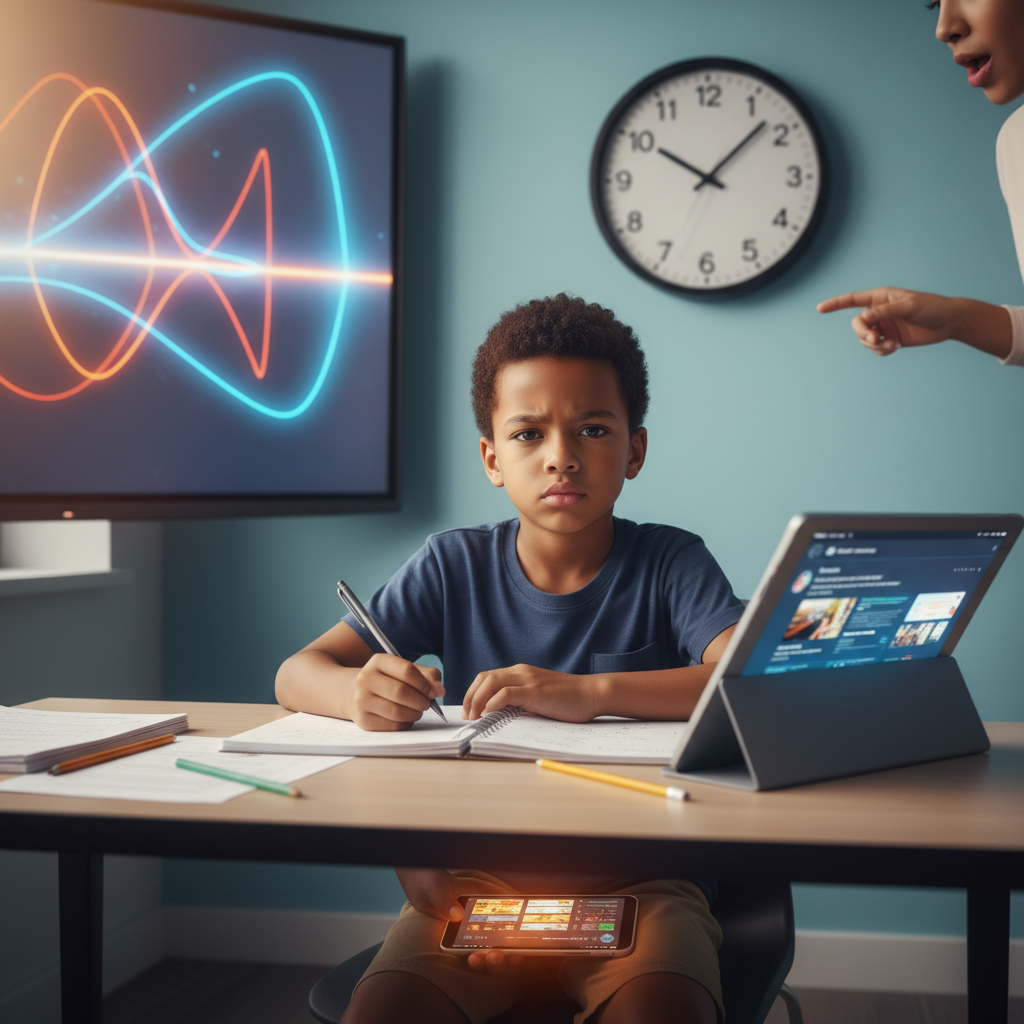
When everything is measured, mistakes feel costly, wrong answers feel exposed, and trying something new starts to feel risky. Children adapt by playing it safe. They stick to what they already know they can do well.
That creates a strange paradox: high-performing students often become the least willing to fail. And that becomes a real problem later in life, where growth depends on experimentation and recovery.
Shock #4: It Narrows What Success Looks Like
In performance-based systems, success is usually defined through grades, rankings, and exam results. But creativity, emotional intelligence, practical skill, resilience, and initiative often get pushed to the side because they are harder to measure neatly.
So a child can be imaginative, hands-on, entrepreneurial, and highly capable, yet still feel like they are not doing well because they do not fit the measurement system.
Shock #5: It Confuses Learning With Performing
This is the biggest one. Children learn to revise for tests, memorise for exams, and optimise for marks. But that is not the same as understanding deeply, thinking critically, or applying knowledge in real life.
Performance
Revise, reproduce, optimise for marks
Learning
Understand, question, apply, adapt
The result is students who can pass exams, but may struggle to solve unfamiliar problems, think independently, or function outside structured environments. They have learned how to perform learning, not always how to learn.

Shock #6: It Works, Until It Does Not
This is why the system survives. It produces results, looks successful, and rewards certain children very well. But the cracks often show later through burnout in teens, anxiety around performance, lack of direction after school, and a deep fear of making mistakes in adulthood.
A system built on external pressure can create compliance and output, but it rarely builds durable internal drive on its own.
What Do You Do With This?
This is not about pulling your child out of school tomorrow. It is about seeing clearly. Once you do that, you can start to balance the experience by protecting curiosity at home, normalising mistakes, valuing effort over outcome, exposing children to real-world problem solving, and reminding them they are always more than their results.
Performance-based schools do not just teach subjects. They also teach children what to believe about themselves.
Final Thought
Most parents only notice these effects once something starts to feel off: their child loses confidence, stops enjoying learning, or becomes afraid of getting things wrong. By then, they are reacting.
But when you understand this early, you can be far more intentional from the start. And that changes everything.
A school can reward performance and still quietly damage confidence if no one protects the child underneath the results.