Future Of Education
The Global Skills Crisis No One Is Talking About
Today’s classrooms are still preparing students for yesterday’s world. The growing gap between what schools teach and what life and work now demand is no longer theoretical. It is already here.
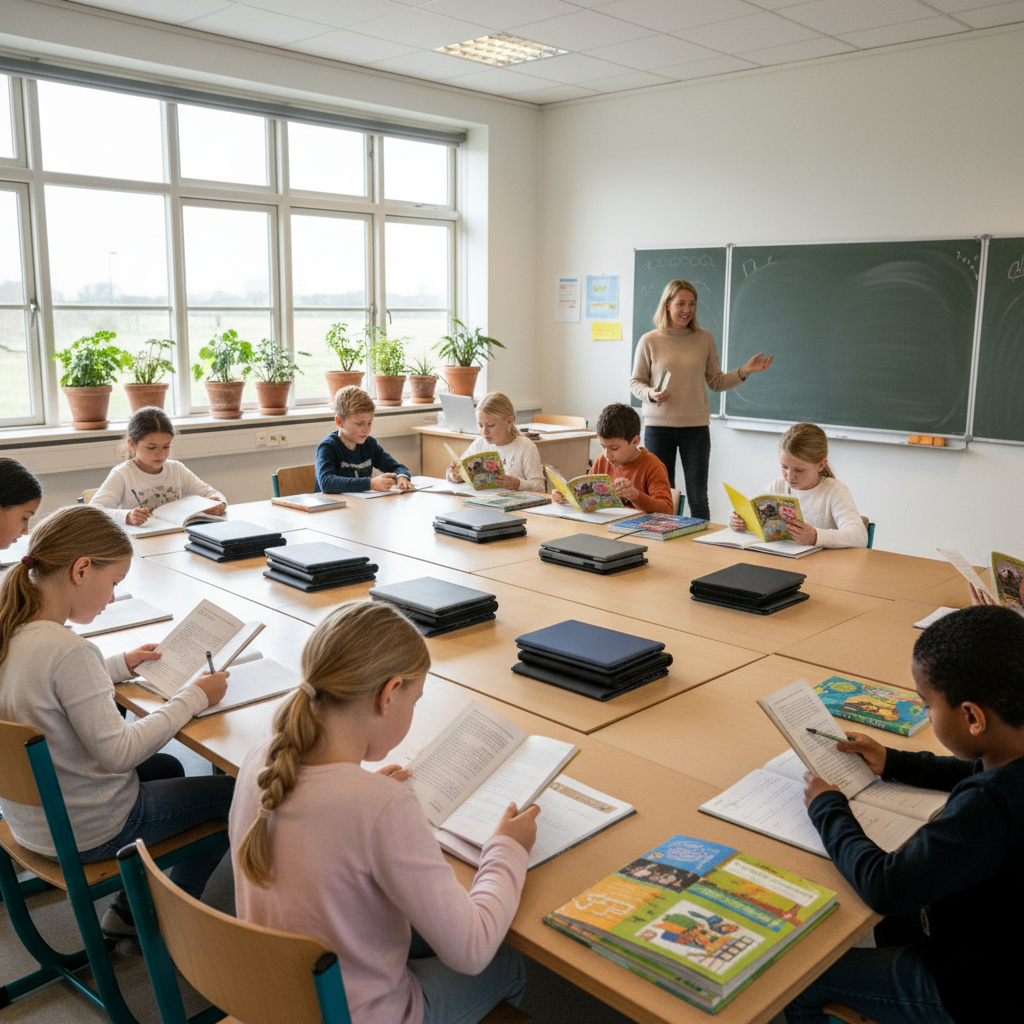
Walk into almost any classroom in the world today and you will see a familiar pattern: rows of students, a curriculum mapped to exams, and a quiet assumption that this system will prepare them for the future. It will not.
Across industries, from technology to healthcare, manufacturing to education itself, employers are sounding the alarm. We do not have the skills we need. Not only technical skills, but human ones too. The result is a widening gap between what schools teach and what the world actually demands.
This is not only an employment issue. It is an education issue. And it is fixable if schools are willing to rethink what learning is really for.
The real problem is not only that students are missing skills. It is that many systems are still measuring the wrong things.
What Is Actually Missing?
1. Digital and AI Literacy
Students are not only expected to use technology. They are expected to understand it. That means data literacy, AI awareness, cybersecurity basics, and digital collaboration. Yet many schools still treat these areas as optional or surface-level.
2. Critical Thinking and Problem Solving
As automation replaces routine work, the remaining problems become messier and less predictable. Employers increasingly need people who can analyse information, question assumptions, and navigate complexity. Standardised testing still struggles to capture this well.
3. Communication and Collaboration
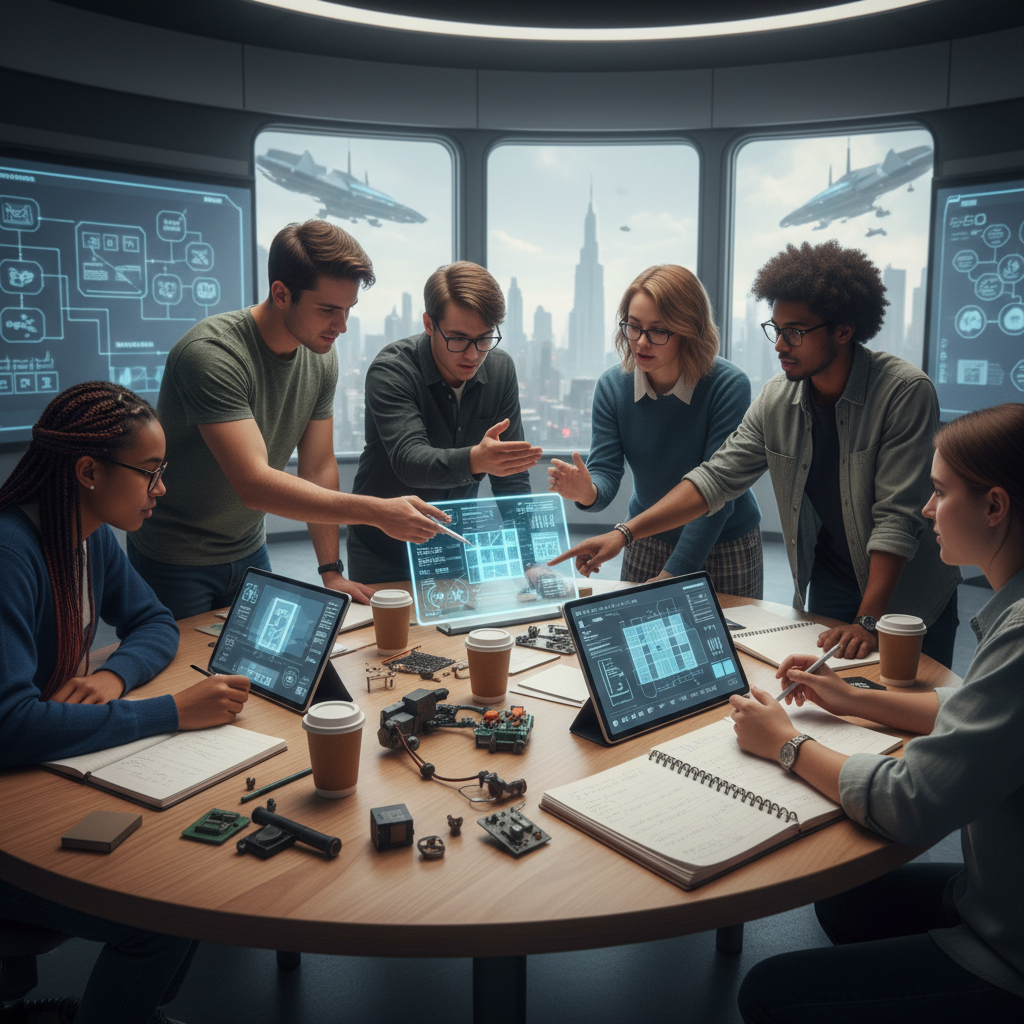
The modern workplace is global, remote, and team-based. Students need to present ideas clearly, work across cultures, handle feedback well, and collaborate digitally. Too often, learning is still individual, silent, and compliance-based.
4. Adaptability and Lifelong Learning
The model of learning once and working forever is gone. Today’s students will need to change tools, roles, and even careers multiple times. Schools still reward knowing, not learning how to learn. That is a serious strategic weakness.
5. Emotional Intelligence and Resilience
This may be the most under-discussed gap of all. Burnout, anxiety, poor workplace relationships, and low tolerance for pressure are rising. Yet schools still rarely teach self-awareness, stress management, empathy, and decision-making under pressure in explicit ways.
Why Education Is Still Looking Backward
Most curricula are still built around past knowledge, not future capability. We continue to teach memorisation over application, individual performance over collaboration, and correct answers over creative thinking. In other words, we are still optimising students for a world that no longer exists.
Still Common
Memorisation, isolated performance, and exam optimisation.
What Is Needed
Application, collaboration, adaptability, and real-world judgment.
Leadership Shift
Move from asking what students know to what they can actually do.
What Schools Can Do Right Now
1. Shift From Subjects to Skills
Instead of only asking what students should know, start asking what they should be able to do. Turn lessons into projects, focus on real-world problems, and assess application rather than recall.
2. Use Technology Meaningfully
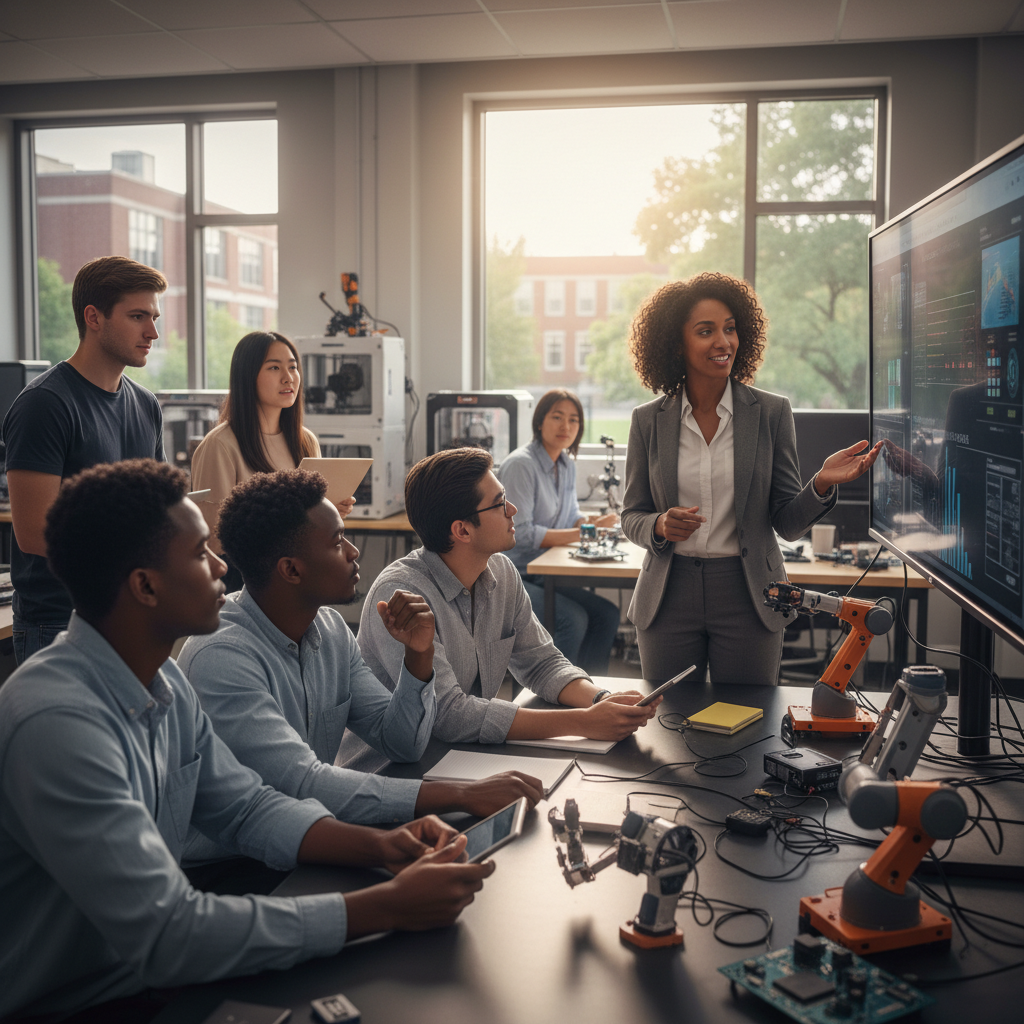
This is not about more screen time. It is about better use of digital tools. Teach students how AI systems work, where they fail, and how to use them ethically for thinking, creation, and problem solving.
3. Make Collaboration the Default
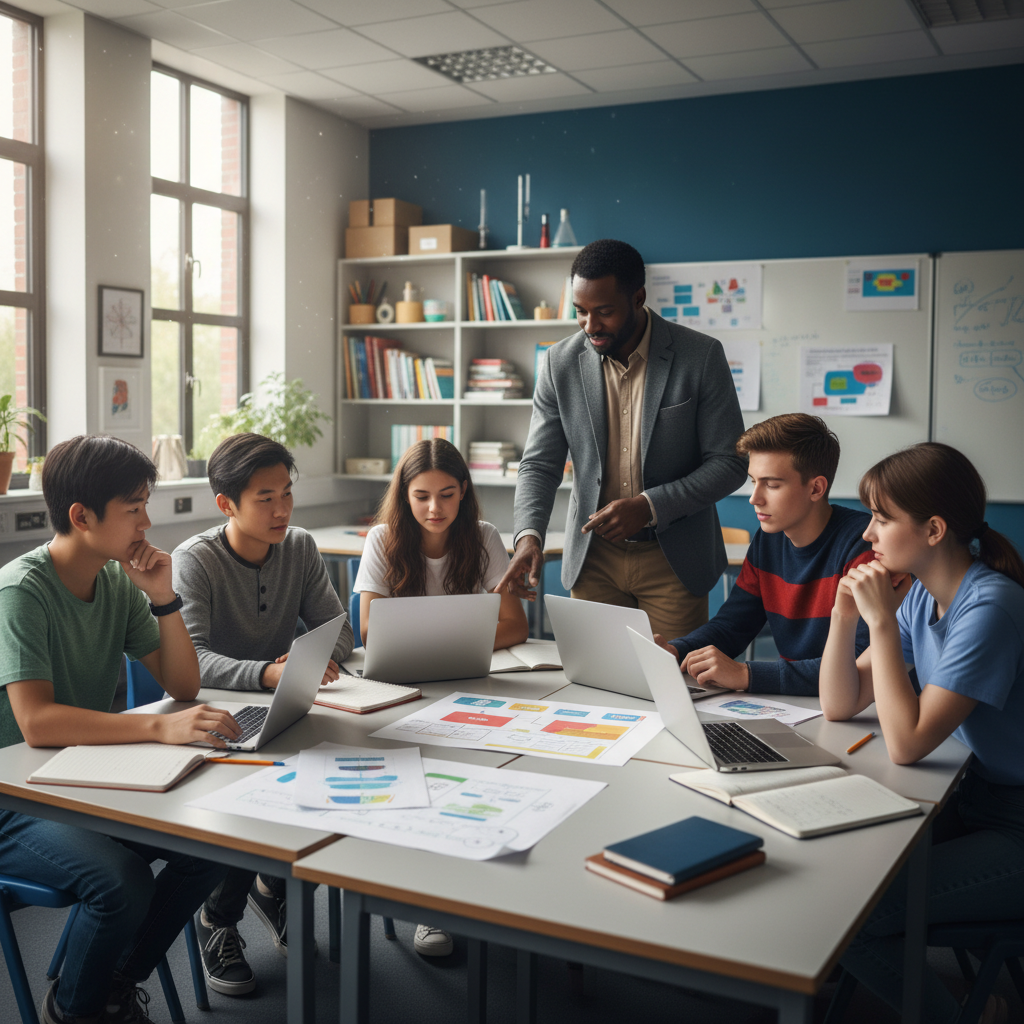
Group work should not be occasional enrichment. Team-based projects, peer feedback, and cross-school collaboration should be standard if schools want students ready for modern work and life.
4. Teach Learning How to Learn
Research skills, self-directed learning, reflection, and iteration are now essential. Knowledge expires. Learning does not.
5. Prioritise Wellbeing and Emotional Skills
Schools that treat emotional intelligence as secondary will fall behind. Students need structured opportunities to build resilience, handle failure, manage stress, and navigate people well.
6. Partner With the Real World
Bring mentors, guest speakers, real-world briefs, and industry partnerships into learning. Students need to see why their learning matters, not just what the exam board will ask.
The schools that thrive in the next decade will not be the ones with the highest exam metrics alone. They will be the ones producing students who can think independently, adapt quickly, work with others, and navigate uncertainty.
Final Thought
This is bigger than employment. It is about whether schools are preparing young people for life in a fast-changing, unpredictable world. The skills shortage is not a future issue. It is already here.
The question is no longer whether education should change. It is whether education will catch up in time, or whether students will be left to catch up on their own.