
Leadership Briefing
The Anti-Bullying Programme the World Isn't Talking About Enough
Most schools still respond to bullying after it happens. The more important question may be how to shape the culture so the behaviour loses its social fuel in the first place.

Let’s be honest about bullying. Most schools have policies, posters, and assemblies, and yet children still feel unsafe.
That is because most anti-bullying approaches are reactive. They respond after the harm has already become visible. By that point, the social dynamic is usually already alive and being rewarded.
The real weakness in many anti-bullying systems is not lack of care. It is that they often deal with the outcome rather than the social engine that sustains it.
A Quiet Revolution from Finland
While many systems focus on discipline, consequences, and behaviour management, Finland asked a different question: what if bullying is not just about the bully or the victim?
That question led to KiVa, one of the most researched anti-bullying programmes in the world. What makes it so powerful is not only the evidence. It is the shift in thinking underneath it.
The Insight That Changes Everything
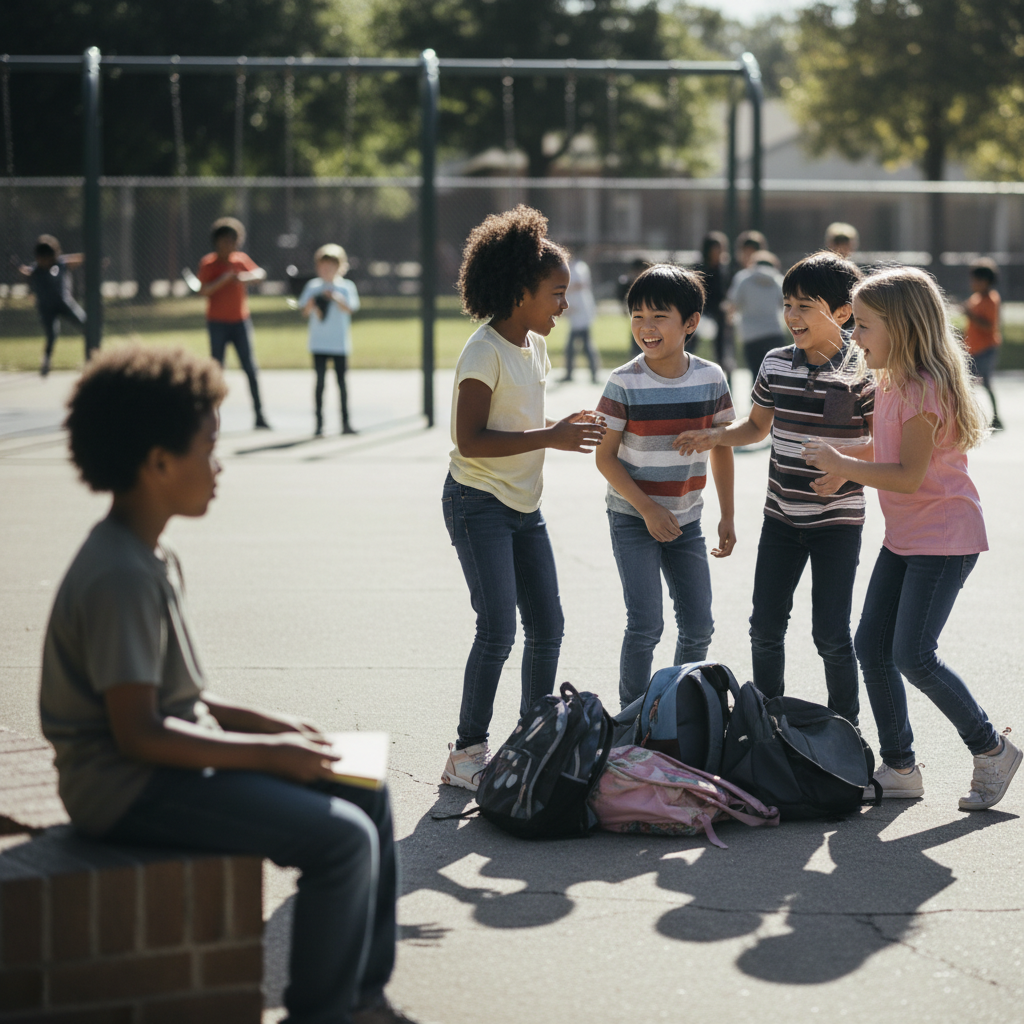
KiVa is built on a simple but profound idea: bullying is a group behaviour. It is not only one child being unkind. It is an audience, bystanders, social reward systems, and silence.
Audience
Bullying gains power when other students reward it with attention or silence.
Social Fuel
Laughter, status, and group approval often matter more than adult rules in the moment.
Shift
The task is not just stopping the bully. It is removing the social conditions that make the behaviour work.
That is a very different frame from the traditional question of how to catch, sanction, or correct the individual responsible.
KiVa vs Traditional Behaviour Policies
Traditional systems try to control behaviour. KiVa changes the environment that allows it to survive.
How KiVa Actually Works
KiVa is not a one-off awareness week or a policy document filed away for incidents. It works as an embedded system built around prevention, intervention, and monitoring.
1. Prevention
Structured lessons that build empathy, awareness, and understanding of group roles.
2. Intervention
Trained teams and consistent, targeted responses when incidents do arise.
3. Monitoring
Ongoing feedback, student voice, and refinement based on what the school climate is actually showing.
Why Traditional Systems Struggle
Most behaviour systems still rely on rules, escalation, consequences, and punishment. Those tools are necessary in some situations, but they are not enough on their own because bullying is adaptive.
Students hide it. They shift it online. They make it quieter, subtler, and harder to prove. What appears to be improvement is often only a change in visibility.
You cannot punish a social dynamic into disappearing if the culture around it continues to reward it.
Why This Matters More Now Than Ever
Today’s bullying is more digital, more constant, more socially layered, and often much harder for adults to detect. It happens in group chats, through exclusion, through silence, through tone, and through subtle status games that traditional systems were never really designed to address.
What Every School Can Learn From This
1. Teach the Audience
Students need to understand their role, their influence, and their power. Silence is not neutral.
2. Talk About the Uncomfortable Realities
Not only obvious bullying, but exclusion, hierarchy, subtle social punishment, and jokes that are not really jokes.
3. Build Belonging Deliberately
Children who feel seen, included, and secure are less likely to harm others and less likely to tolerate harm as normal.
4. Focus on Prevention, Not Only Response
The most strategic question a school can ask is not only what it will do after bullying is reported. It is what it is doing before the social pattern forms.

Final Thought
Bullying is not only about behaviour. It is about belonging, identity, social power, and the signals children receive from the group around them. KiVa matters because it forces schools to stop treating bullying as only a disciplinary problem and start treating it as a culture problem.
A question worth leaving with every leadership team is this: are we trying to stop bullying, or are we building a culture where it cannot survive?