Parenting Feature
The Night We Played The 10-Minute Game That Changed Everything
Sometimes connection does not return through a big conversation. It comes back through something small, playful, and almost easy to miss.
It hit in a moment that almost passed unnoticed.
I was standing in the kitchen, half-listening and half-scrolling, answering my child with the usual, that's nice, sweetheart, without really looking up.
Then I caught the pause. The way they stopped talking. The way they walked away quietly. It was not dramatic. It was not loud. But it stayed with me because I realised something uncomfortable:
I was there, but I was not with them.
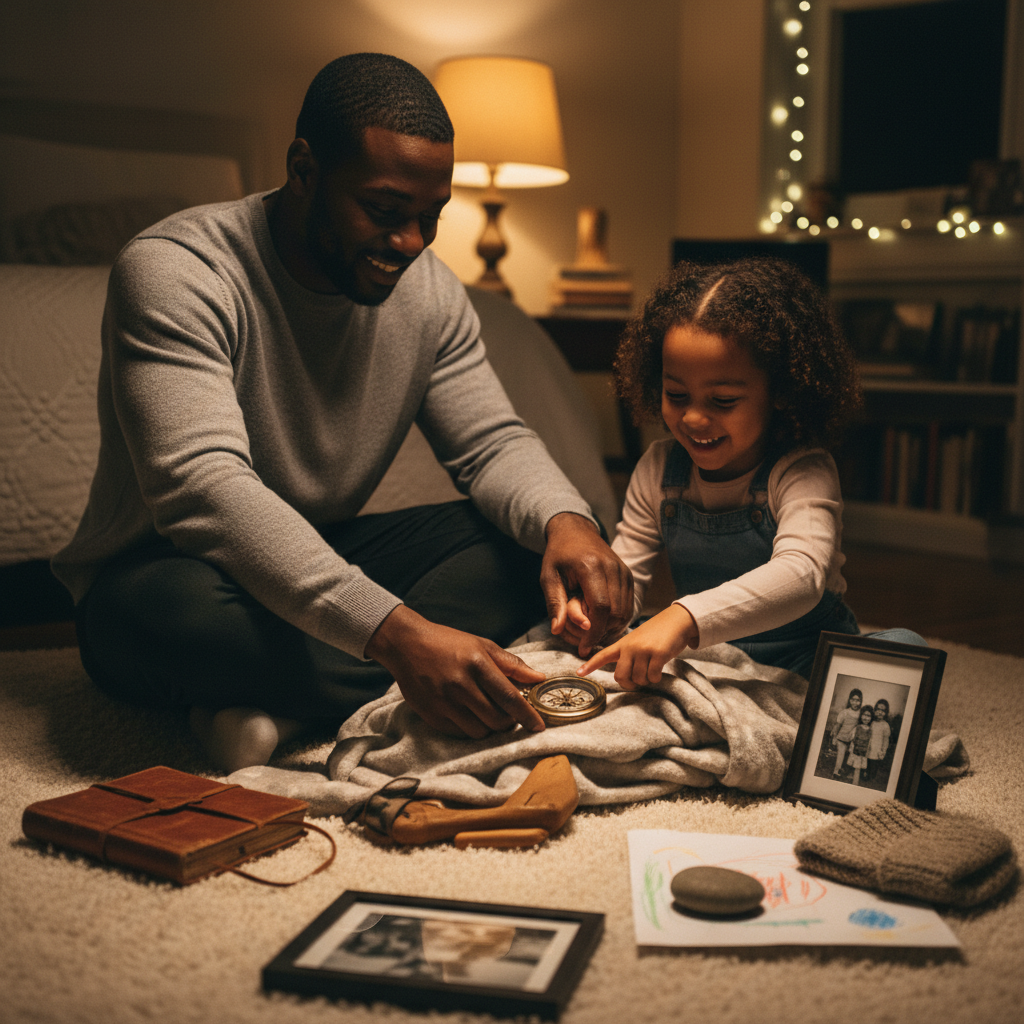
That night, I did not plan anything clever. No perfect family activity. No pressure to fix the moment. I just said, let's play a game.
No explanation. No expectations. Just a simple invitation.
The 10-Minute Game
Find something in your room that makes you happy
Find something in your favourite colour
Find something that is soft
Find something that makes a noise
Find something you use every day
Find something that reminds you of a happy memory
Find something that smells nice
Find something you can wear
Find something smaller than your hand
Find something that starts with the letter B
At first it was silly. Then it was fun. And then something shifted.
They did not just bring back objects. They brought back pieces of their world.

A toy I had not seen in months.
This makes me happy because you gave it to me.
A random rock.
I found it on that day at the park, remember?
A jumper.
I wear this when I miss you.
Suddenly I was not rushing them. I was not distracted. I was sitting on the floor, fully there, listening like it mattered. Because it did.
It took ten minutes. But it gave me back a window into their little world before it quietly changed.
Teen Connection
The Day I Stopped Asking Questions And My Teen Finally Opened Up
No one really prepares you for this part. The part where your chatty child becomes a teenager who shrugs.
How was your day? Fine.
What did you do? Nothing.
The more you try, the further away they can seem. I remember thinking, when did I stop knowing what is going on in your world?
So one evening, instead of asking another question that would go nowhere, I tried something different. I kept it casual. Almost throwaway. Come on, let's do something random.
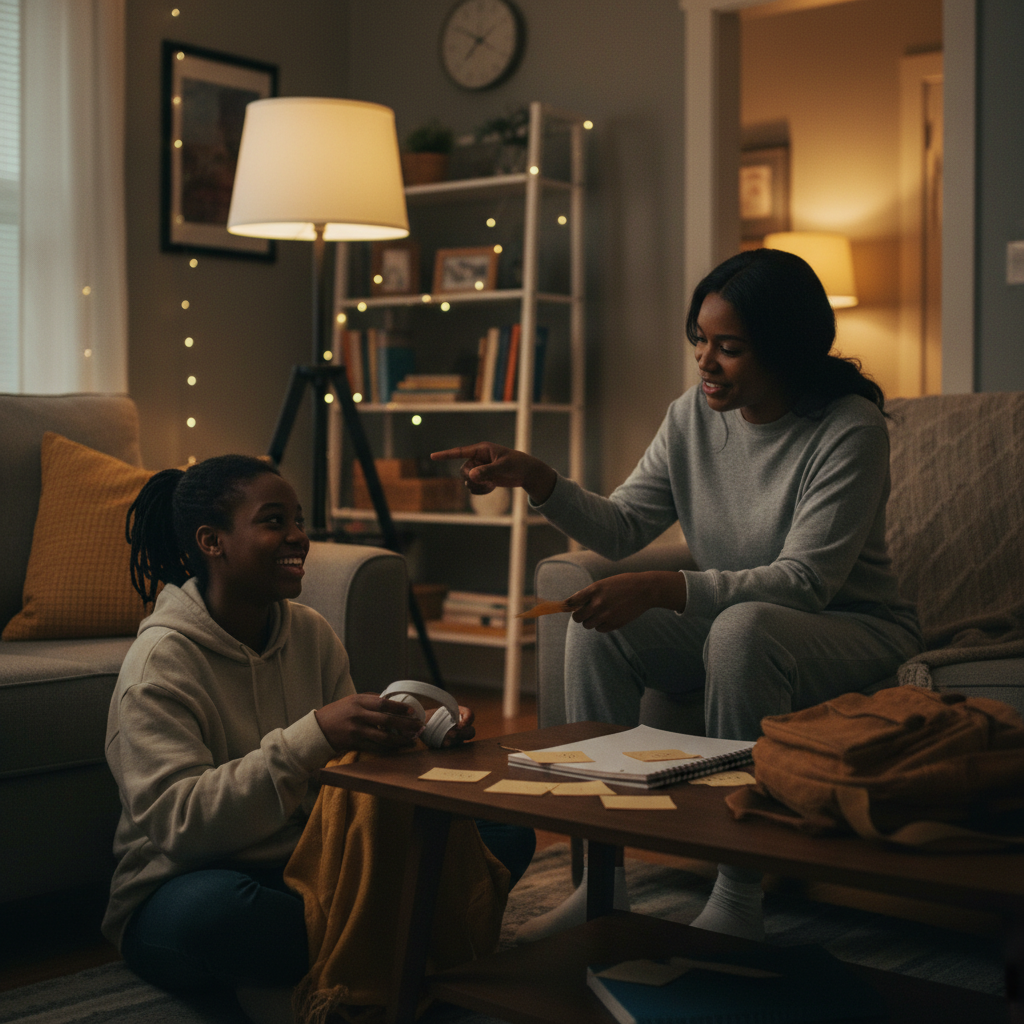
A scavenger hunt. I could see the hesitation. The almost eye-roll. But they played along.
Find something that represents your personality
Find something that makes you feel calm
Find something you could not live without
Find something that reminds you of a good memory
Find something that motivates you
Find something that shows what you are interested in right now
Find something that represents your future goals
Find something that makes you laugh
Find something you wish you had more time for
Find something that tells a story about you
What happened next was quieter than I expected. They did not open up all at once. There was no big emotional moment. But piece by piece, they let me in.
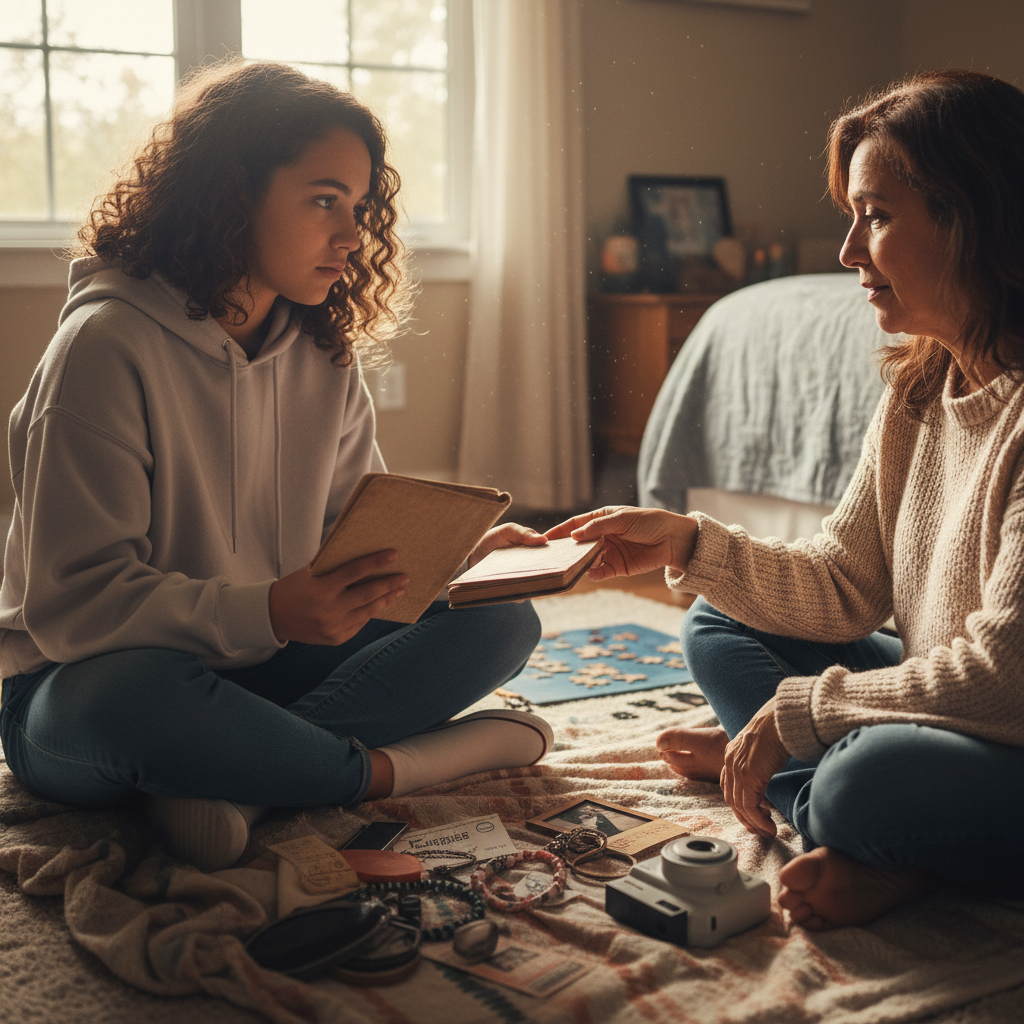
A hoodie.
I wear this when I do not want to think.
Headphones.
This is how I switch off.
A notebook.
I do not show people this.
There was no pressure. No formal we need to talk. Just small, quiet truths shared in a way that felt safe.
Connection does not disappear when children grow up. It just needs a different door.
Sometimes, instead of asking them to explain their world, we just need to say: show me.
Why This Works
The game works because it lowers pressure while increasing meaning. Children and teenagers do not have to organise their feelings into a perfect answer. They just have to pick something and tell you why it matters. That is often a much safer route to honesty.
- It creates connection without interrogation
- It lets children reveal themselves indirectly
- It turns objects into stories and stories into trust
- It works with younger children and teenagers differently, but powerfully
You do not always need better questions. Sometimes you need a gentler way in.