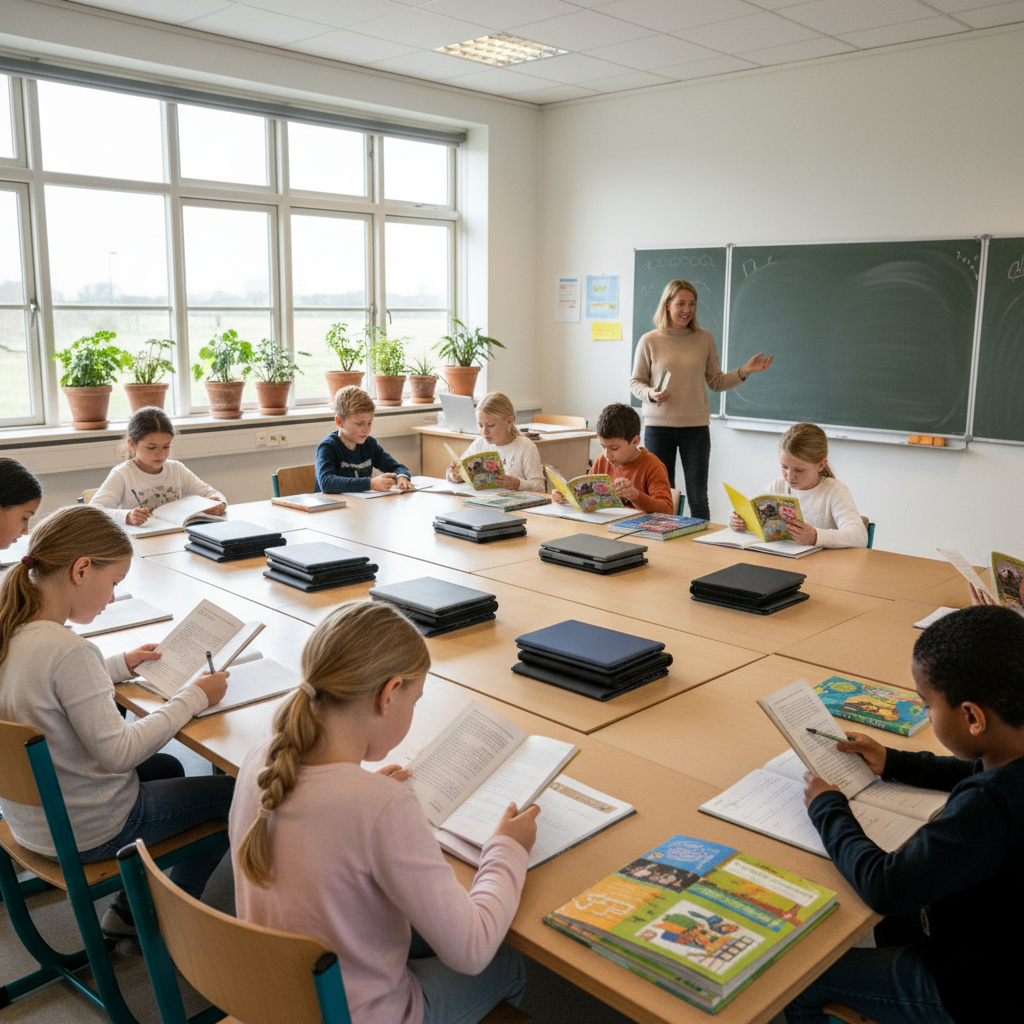
If there is one factor that quietly shapes your child's success — in school, behaviour, and wellbeing — it is this:
Sleep.
Not tutoring. Not apps. Not even the "best" school.
And yet, it is one of the most overlooked parts of modern parenting.
The Hidden Power of Sleep
Sleep is not just rest.
It is when the brain:
- Consolidates learning
- Processes emotions
- Builds memory
- Restores attention and focus
In simple terms: Sleep is when learning actually "sticks."
What Science Tells Us
Research in neuroscience and child development shows that poor sleep in children is linked to:
- Lower academic performance
- Reduced attention span
- Increased irritability and emotional outbursts
- Higher anxiety levels
- Weaker memory retention
Missing sleep does not just make children tired — it directly impacts how they think, behave, and learn.
The Modern Problem
Today's children are sleeping less, and worse, than previous generations.
Why?
- Screens before bed
- Irregular bedtimes
- Overstimulation late in the evening
- Late-night homework or activities
The result: children are going to school mentally underprepared before the day even begins.
What Is Sleep Hygiene (And Why It Matters)?
Sleep hygiene simply means creating the right conditions for consistent, high-quality sleep.
For children, this is not optional — it is foundational.
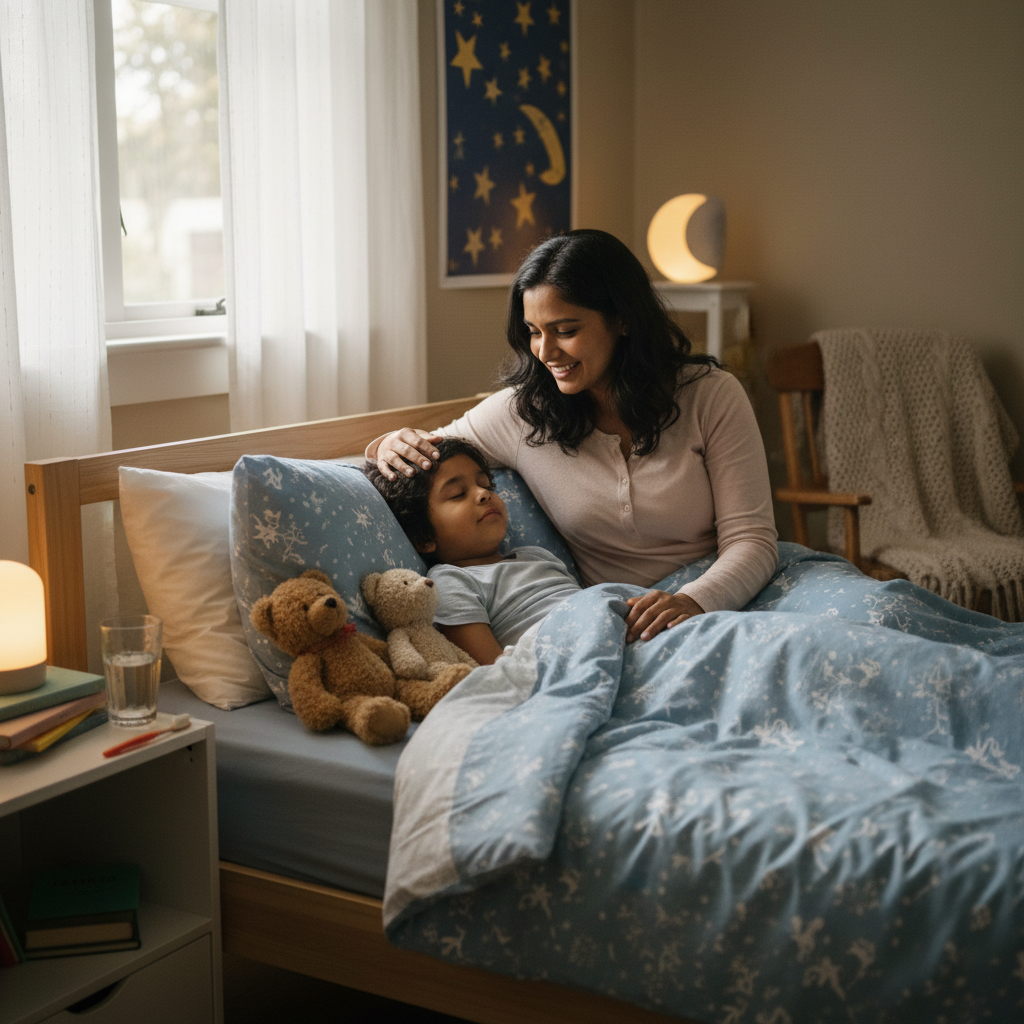
And the most powerful tool? A consistent bedtime routine.
Why Bedtime Routines Are So Powerful
Children's brains thrive on predictability.
A regular routine signals to the brain that it is time to wind down.
This helps:
- Fall asleep faster
- Improve sleep quality
- Reduce resistance at bedtime
- Support emotional regulation
Consistency creates calm.
What a Strong Bedtime Routine Looks Like
It does not need to be complicated or time-consuming. Even 20 to 30 minutes can make a huge difference.
1. Reduce Screens Before Bed
Screens interfere with sleep by suppressing melatonin (the sleep hormone) and stimulating the brain.
Aim for no screens at least 30 to 60 minutes before bed.
2. Create a Wind-Down Sequence
Simple, repeatable steps: bath or wash, pyjamas, quiet activity such as reading or talking.
The order matters less than the consistency.
3. Include Calm, Low-Stimulation Activities
Reading together, light conversation, or storytelling all work well.
Avoid loud play, intense discussions, and stimulating content.
4. Keep Bedtime Consistent
Even on weekends, as much as possible. The brain builds a rhythm, and consistency strengthens it.
5. Create a Sleep-Friendly Environment
A dark room, comfortable temperature, and minimal noise. The environment should support rest, not distraction.
For Busy Parents
You do not need long routines, perfect schedules, or expensive solutions.
What matters is consistency over perfection.
Even a short, predictable routine signals safety, builds habits, and improves sleep quality.
The Ripple Effect of Good Sleep
When children sleep well, everything improves:
- Better focus in school
- Improved mood and behaviour
- Stronger memory and learning
- Greater resilience
And importantly, parents feel the difference too.
What Schools Do Not Always Emphasise
Schools focus on curriculum, homework, and performance. But they often overlook the biological foundation of learning.
A tired child struggles to focus, forgets more, and becomes easily frustrated.
Final Thought
If you are looking for one change that can transform your child's learning and wellbeing, start here: sleep.
Not perfectly. Not all at once. But consistently.
Because in the end, a well-rested child is a child ready to learn, grow, and thrive.
The greatest investment in your child's future might not be a tutor, a tablet, or a top school. It might simply be a good night's sleep.