Leadership Roadmap
School Development Roadmap
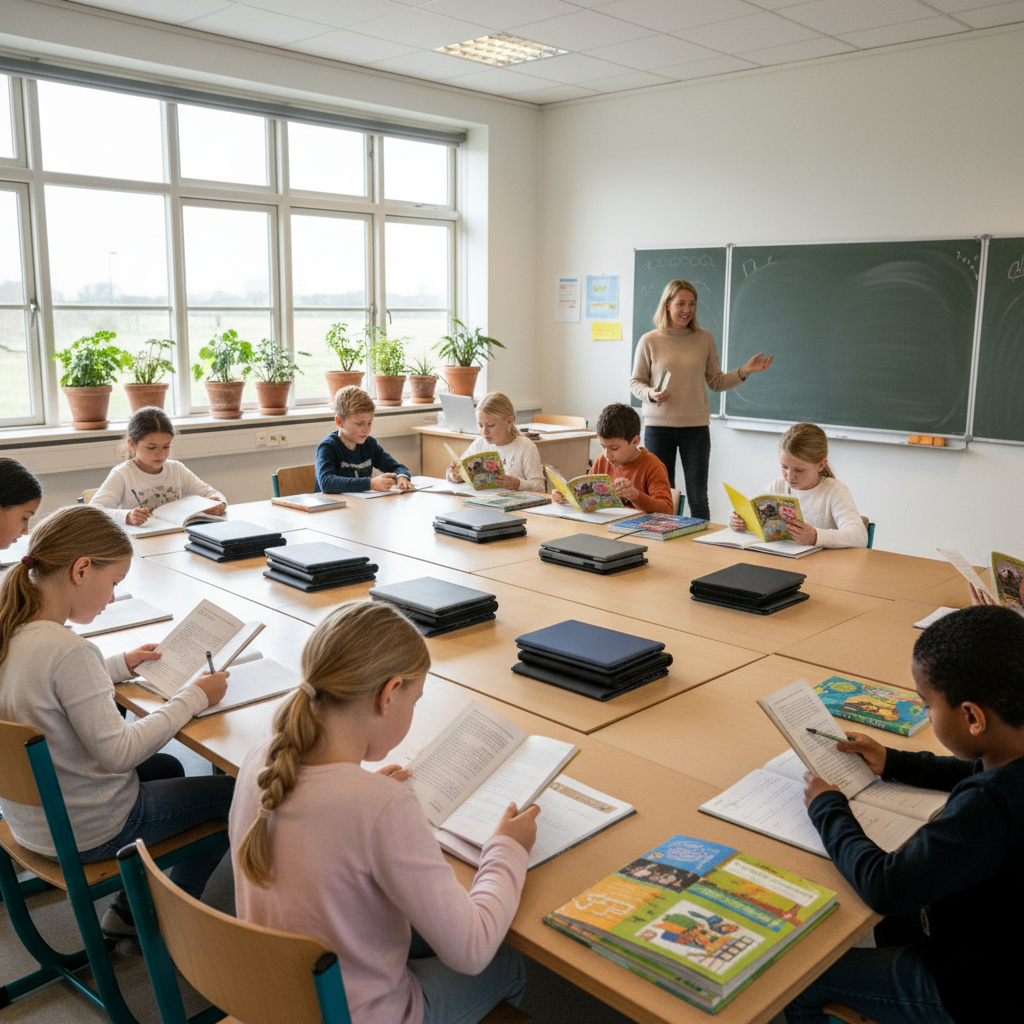
Most schools do not lack ideas. They lack capacity, clarity, and sequencing. The challenge is not finding more initiatives. It is building something coherent without breaking the people delivering it.

The goal is not to do everything. The goal is to build something coherent, phased, and sustainable.
Too many school improvement plans collapse because great ideas are added on top of already stretched systems. This roadmap works differently. It assumes capacity must be created before anything meaningful can be embedded.
Phase 1: Stabilise (0–3 Months)
The first phase is about creating space before introducing anything new. The priority is reducing pressure and aligning leadership around a manageable direction.
1. Audit Workload
Identify what staff are already carrying and remove at least one demand per department.
2. Choose 2–3 Focus Areas
Wellbeing, real-world skills, student leadership, independence. Not everything at once.
3. Align Leadership
Answer clearly what you are trying to build. Without alignment at the top, nothing sticks.
The most strategic early move is subtraction. If you do not create capacity first, development work becomes initiative overload.
Phase 2: Pilot (1–2 Terms)
Once there is space, start small and prove that the ideas work. This phase is about testing high-impact ideas in controlled, manageable ways. Three initiatives are enough.
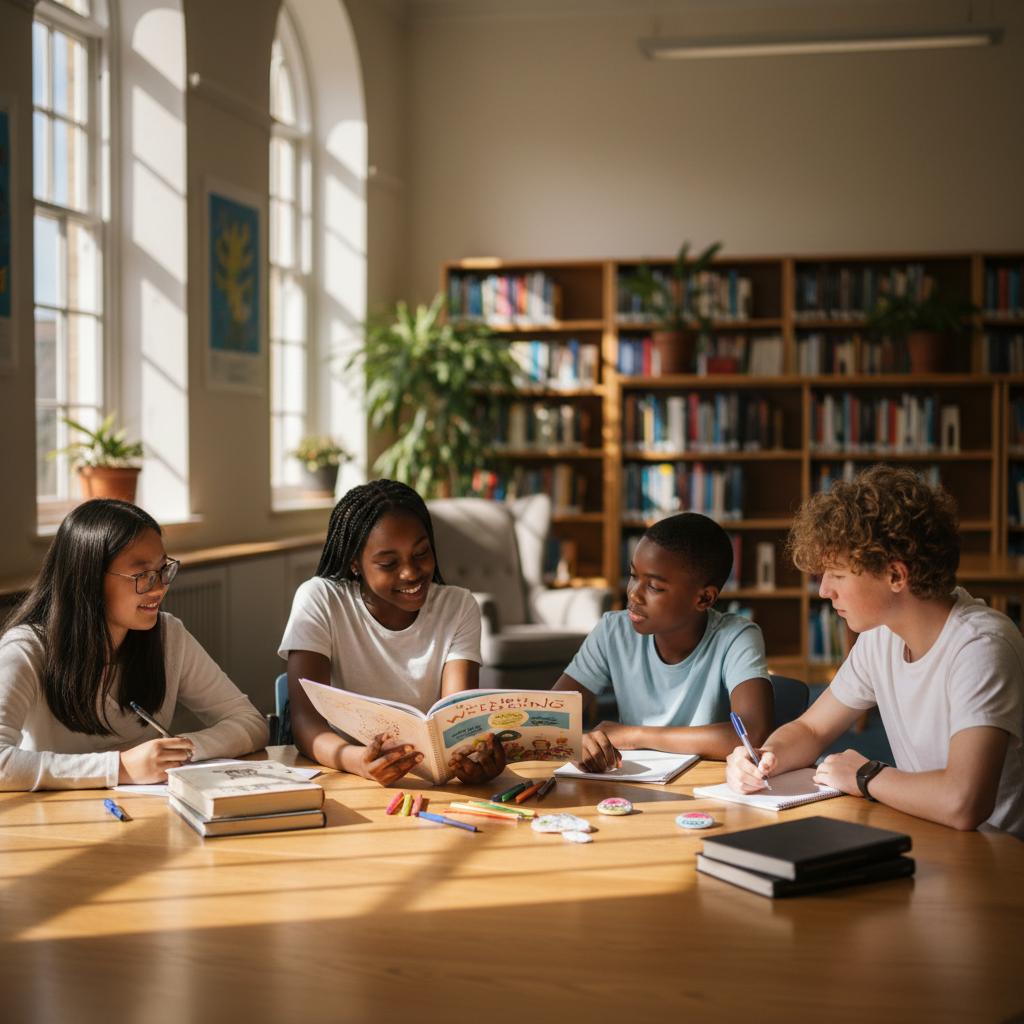
1. Student Wellbeing Ambassadors
Select a small group, train them in basic listening and signposting, and define their role clearly. This is low-cost, high-impact, and can shift culture quickly.
2. Older-to-Younger Mentoring
Pair older and younger students in structured, supervised sessions. The impact on belonging, confidence, and behaviour can be immediate if it is designed well.
3. Explicit Organisation Skills
Introduce planners properly. Teach time management, task breakdown, and organisation explicitly rather than assuming students just know how to manage themselves.
Key rule: pilot with willing staff, not resistant staff. Early success creates momentum.
Phase 3: Embed (2–4 Terms)
This is where you move from initiative to culture. Successful pilots should stop feeling optional and start becoming part of the system.
4. Real Life Skills
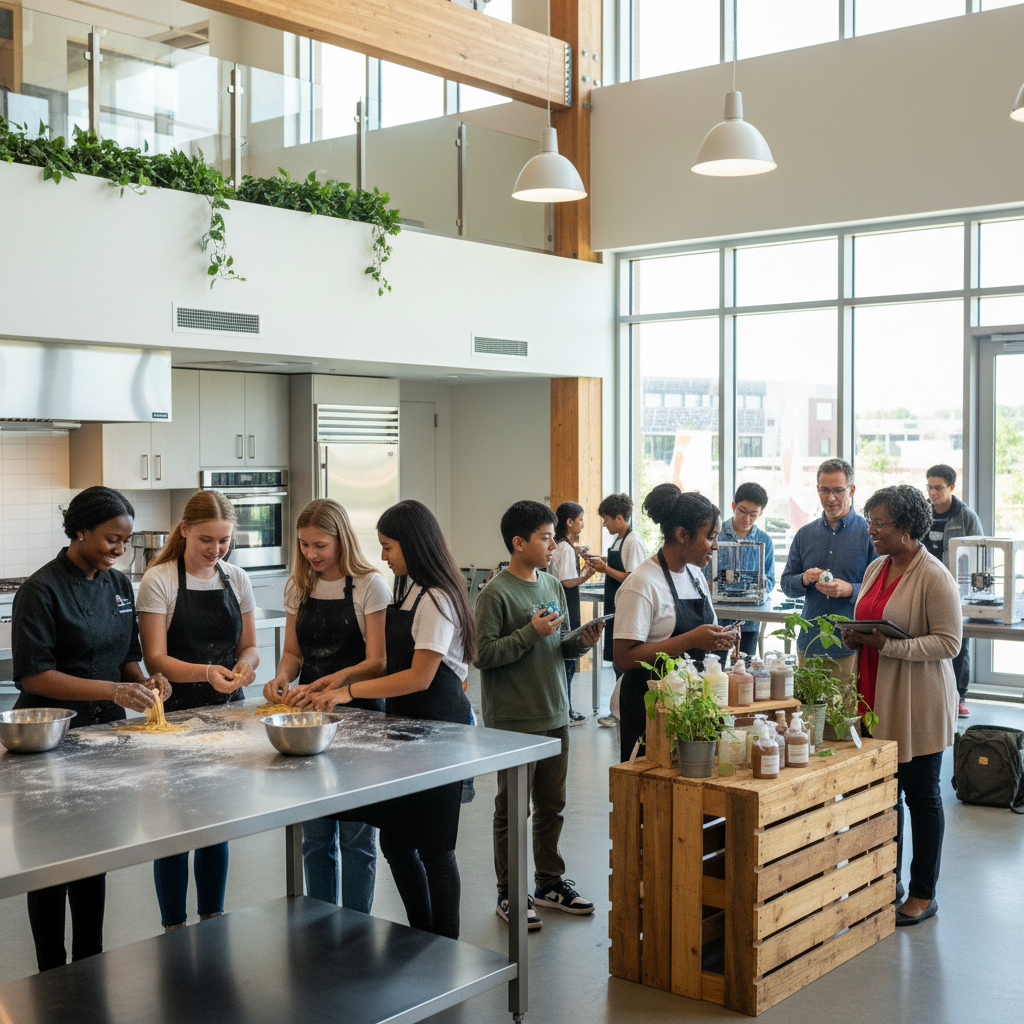
Choose one practical area such as cooking, life skills, or structured real-world tasks, and build it into the timetable even in small blocks.
5. Thinking Skills Integration
Use logic, chess, or problem-solving tasks inside subjects rather than adding isolated extras. The strongest versions are embedded, not bolted on.
6. Music for All
Start with group access, shared instruments, or rotation models. The aim is not perfection. It is widening access to discipline, patience, and mastery through practice.
The leadership task here is simple: protect the programmes, stop them becoming optional, and keep implementation consistent.
Phase 4: Differentiate (1–2 Years)
This is where the school starts to become truly distinctive. Once the foundations are secure, the school can introduce signature experiences that shape identity and edge.
7. Responsibility-Based Learning
Whether through a mini farm, school animals, or another responsibility system, students need to own something real and care for something beyond themselves.
8. Leadership Experiences
Headteacher for a day, meaningful student-led initiatives, and real decision-making opportunities build leadership and perspective when they are designed seriously rather than symbolically.
9. Enterprise Projects
Students create ideas, build solutions, and present outcomes. That is how initiative, confidence, and real-world thinking become normal rather than exceptional.
Phase 5: Position
Only once the work is real should the school start telling the story more loudly. Capture real student stories. Show what is happening rather than simply claiming it. Align the message across the website, School Browse, admissions conversations, and tours.
Parents should be able to see a clear difference in your school because it exists in reality, not because it has been dressed up in marketing.
What Creates Problems
- Doing too much at once and burning out staff
- Adding without removing and creating initiative overload
- Making programmes optional and allowing inconsistency
- Focusing on optics instead of delivery
This kind of transformation is not about adding nice ideas. It is about redesigning the student experience with discipline and restraint.
Final Thought
The schools that stand out in the future will not be the busiest. They will be the most intentional, consistent, and clear. Development becomes sustainable when leaders are willing to stop doing some things in order to build better ones.
A question worth taking to your leadership team is this: what are we willing to stop doing in order to build something better?