School Choice
Online vs Traditional School
This is not just about where learning happens. It is about how your child learns, copes, connects, and grows.
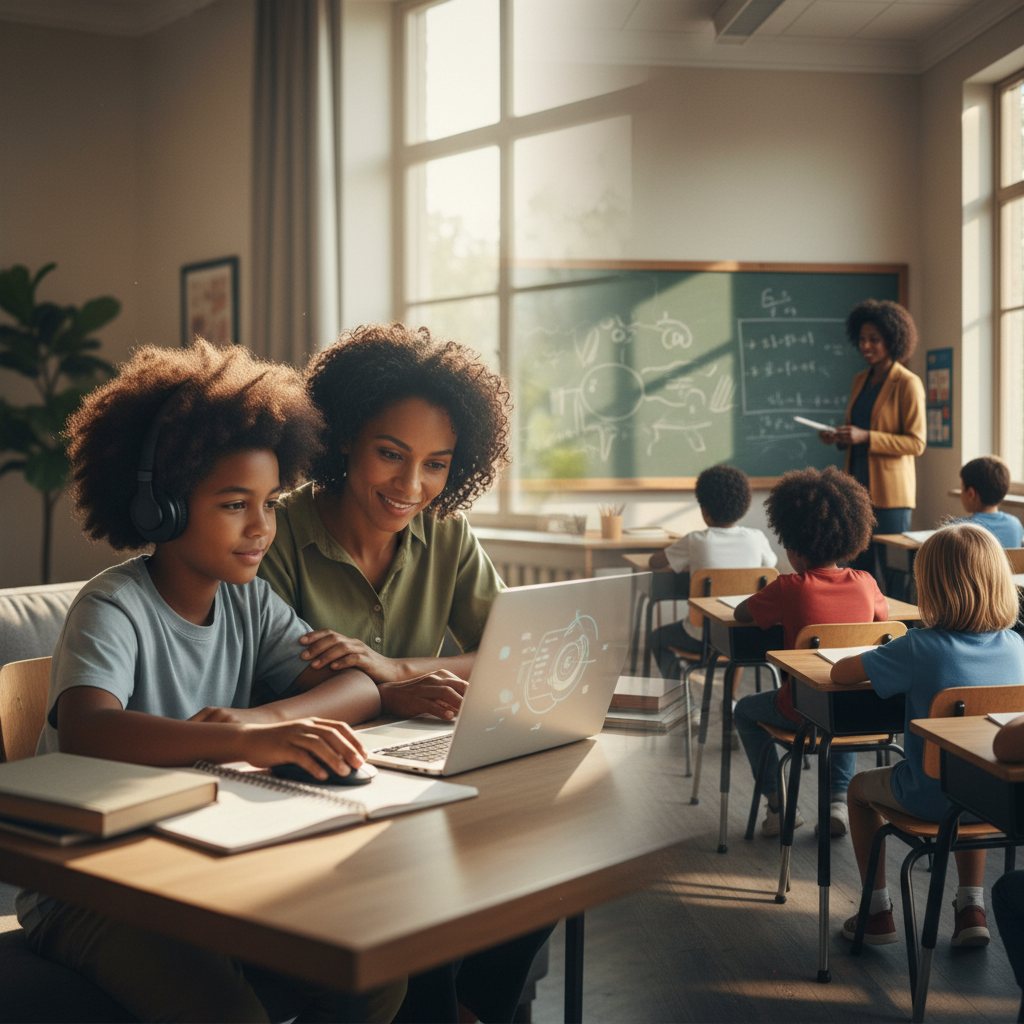
More parents are asking whether their child should stay in a traditional school or move online. It is not a simple choice.
Neither model is automatically better. Traditional school and online school suit very different children, families, needs, and seasons of life.
The Core Difference
Traditional School
Structured environment with social, academic, and behavioural development happening together.
Online School
Flexible, individualised learning with greater independence and less physical social interaction.
The Real Differences That Matter
1. Structure vs Flexibility
Traditional school offers fixed timetables, clear routines, and external discipline. This can work well for children who need structure, benefit from routine, or struggle to self-manage.
Online school offers flexible schedules, self-paced learning, and more independence. This can suit children who are self-motivated, need flexibility, or feel restricted in rigid systems.
2. Social Experience
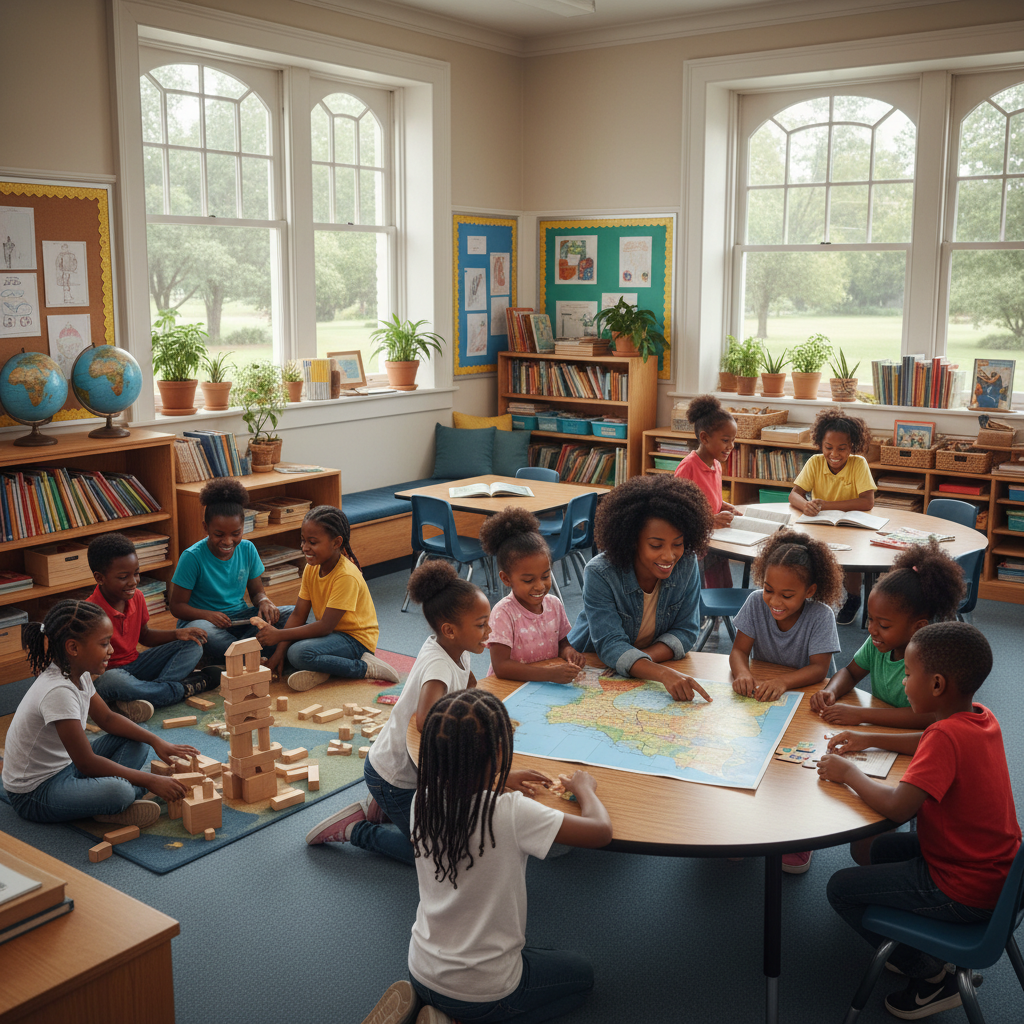
Traditional school gives daily peer interaction, built-in friendships, and social challenges. Those challenges can be difficult, but they also build resilience, social skills, and confidence.
Online school usually has less in-person interaction, though some programmes offer structured online or local social opportunities. The risk is isolation if it is not managed well. The benefit is reduced social pressure for children who feel overwhelmed.
3. Learning Style
Traditional school is often teacher-led, group-based, and paced for many students at once. It can work well for children who follow structure and learn well in groups.
Online school can offer a more personalised pace, less comparison, and more independent learning. It can work well for children who feel left behind, bored, or overstimulated in class.
4. Emotional Experience
Traditional school can be stimulating, busy, socially intense, and emotionally demanding. Some children thrive in that environment. Others become anxious or disengaged.
Online school can create a calmer environment with fewer social stressors. It may reduce anxiety and overwhelm, but it can also reduce opportunities to practise resilience in everyday social situations.
5. Support and Accountability
Traditional school provides constant supervision, teachers present in the room, and immediate intervention. There is less responsibility on the child to manage the whole learning process independently.
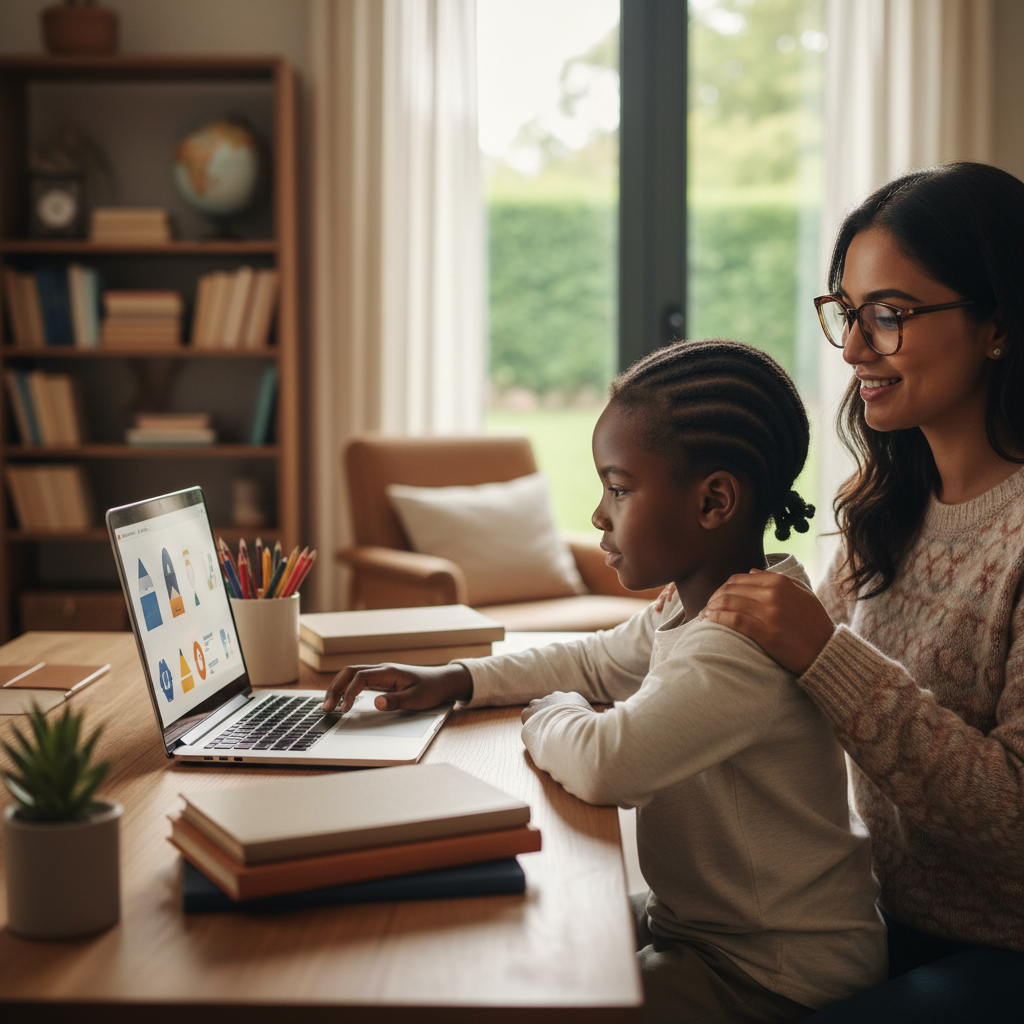
Online school requires more self-management and, especially for younger children, more parent involvement. The home environment becomes a major part of the learning system.
6. Readiness for the Real World
Traditional school builds routine, social navigation, and the ability to work within systems. Online school builds independence, self-discipline, and digital skills. Both can prepare children for life, but in different ways.
The Real Question
Most parents ask which model is better. A more useful question is: what environment does my child function best in right now?
Traditional school may be better if your child
Needs routine, struggles with motivation, benefits from in-person interaction, or needs support to stay on track.
Online school may be better if your child
Feels overwhelmed or anxious in school, is disengaged or bored, works independently, or needs flexibility for sport, health, or SEN needs.
Red Flags to Consider
Online school risks can include lack of social development, increased screen time, reliance on parent support, and avoidance of challenges.
Traditional school risks can include stress and burnout, comparison and pressure, lack of individualisation, and disengagement.
Final Thought
This does not have to be a forever decision. It is a right-now decision. Children change, needs change, and environments can be reconsidered.
One question to guide you: where does my child feel most able to be themselves, and still be challenged to grow?