School Culture
Inside “One of the Best Schools”… Where Children Are Quiet for All the Wrong Reasons
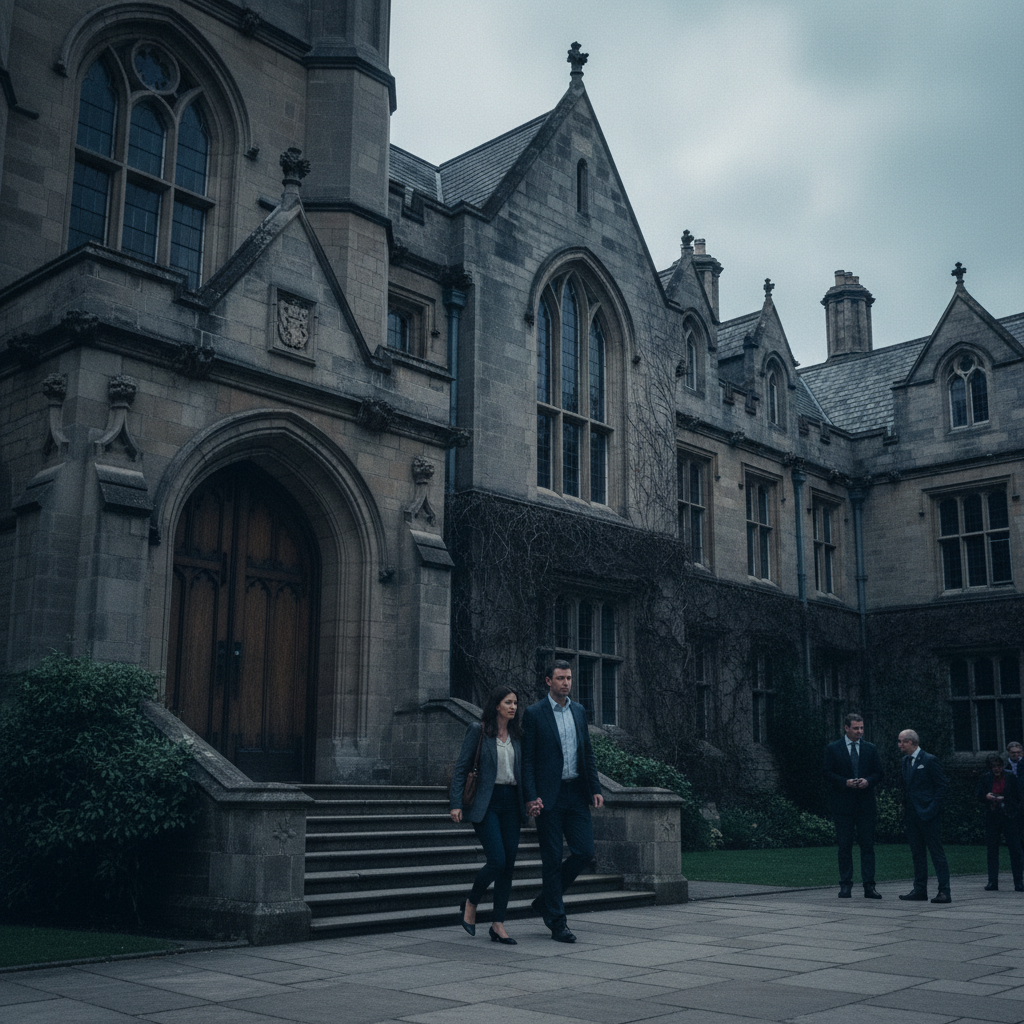
Some schools look exceptional from the outside. But once you walk in, you begin to notice a different story: one built less on learning and more on pressure, performance, and quiet fear.
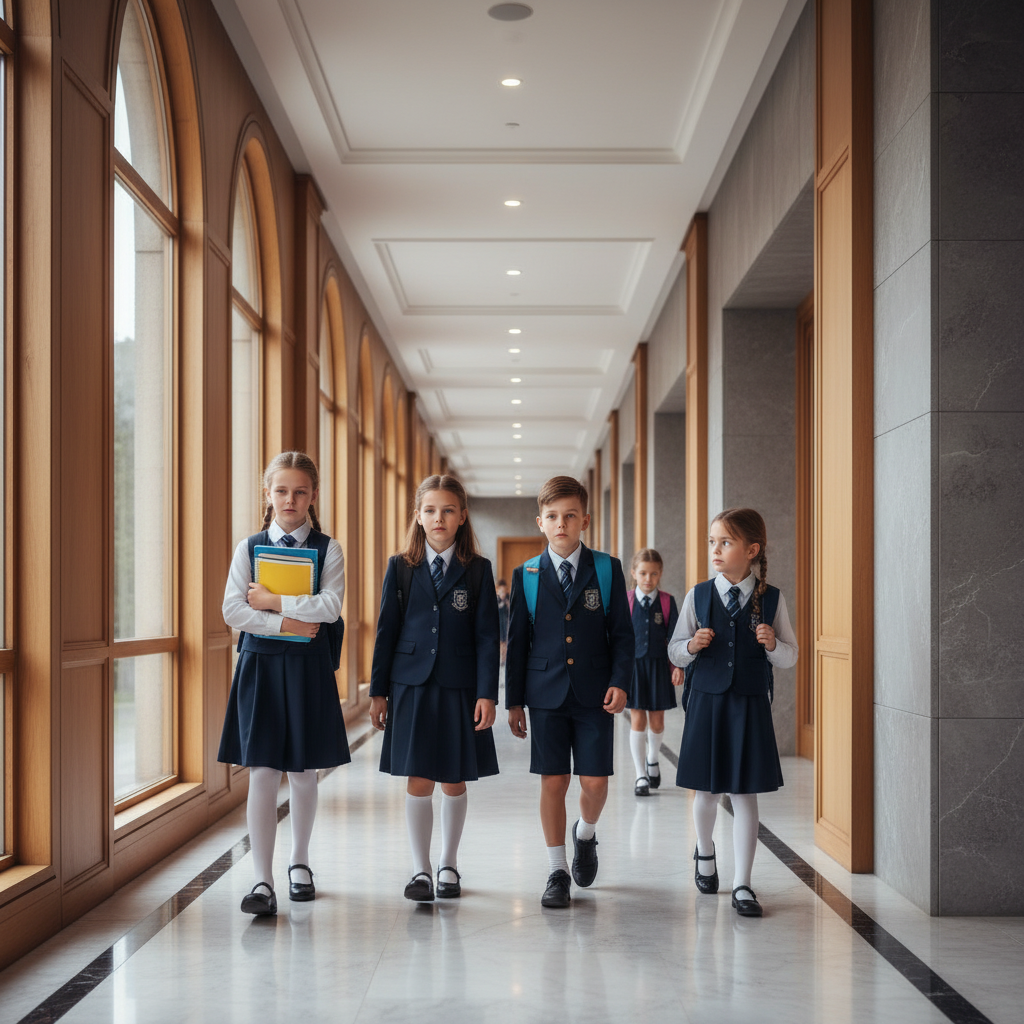
This is what we were not supposed to notice.
On paper, the school looked exceptional. Top rankings. British education. Strong results. Backed by a major education group. The kind of place parents fight to get into and are told their child will thrive in.
But something had changed. A lot of money had gone into the facilities. New expectations had followed. New pressure. And the children could feel it.
It Starts With a Number
Seventy percent. That was the line. Drop below it and it was not only your issue. The whole group was punished. Not supported. Not helped. Punished.
Now imagine being the child who caused it. That feeling does not motivate. It isolates.
A System Built on Pressure
Everything was measured. Everything was tracked. Everything could be taken away. One child brought playing cards to school and did not put them away quickly enough. The threat was minus 200 house points. He had 55.
Homework missed? Your name went on the board in front of everyone. Points deducted. No conversation. No context. Just exposure.
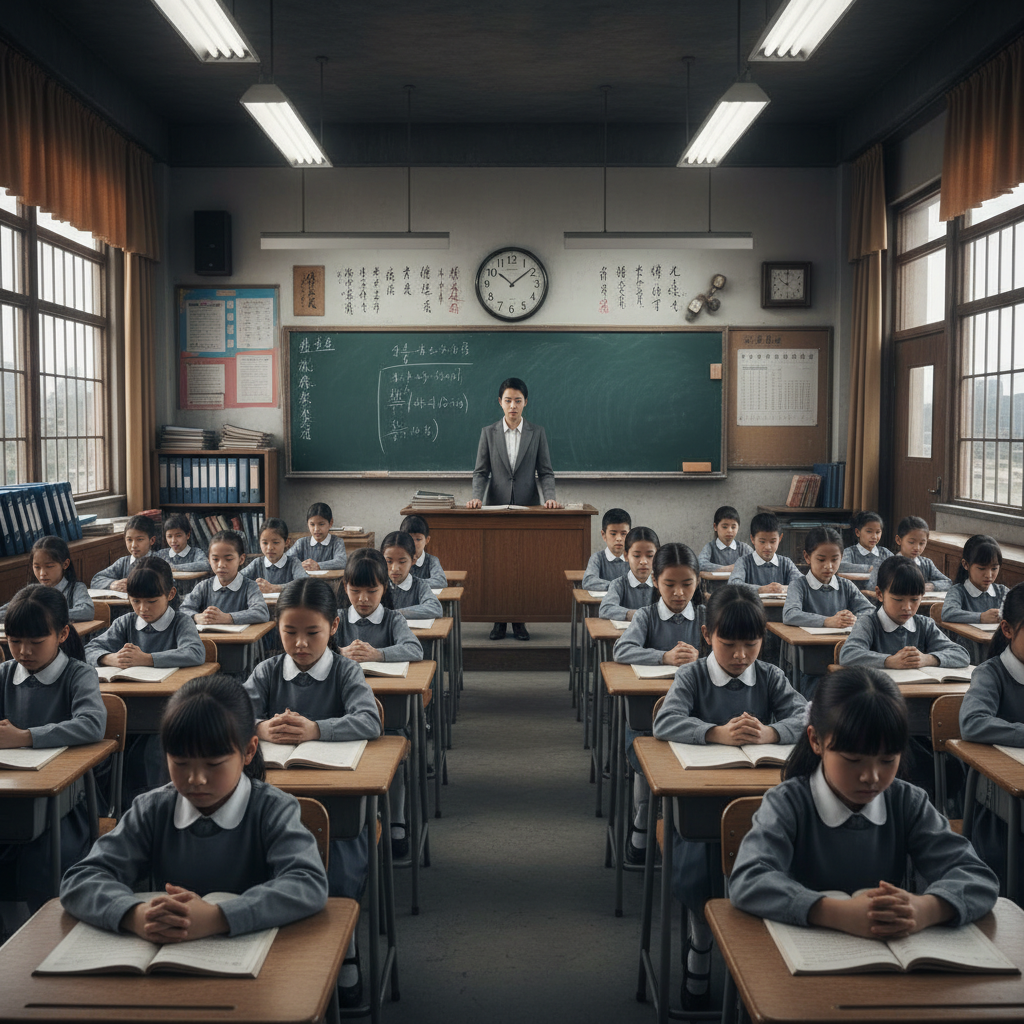
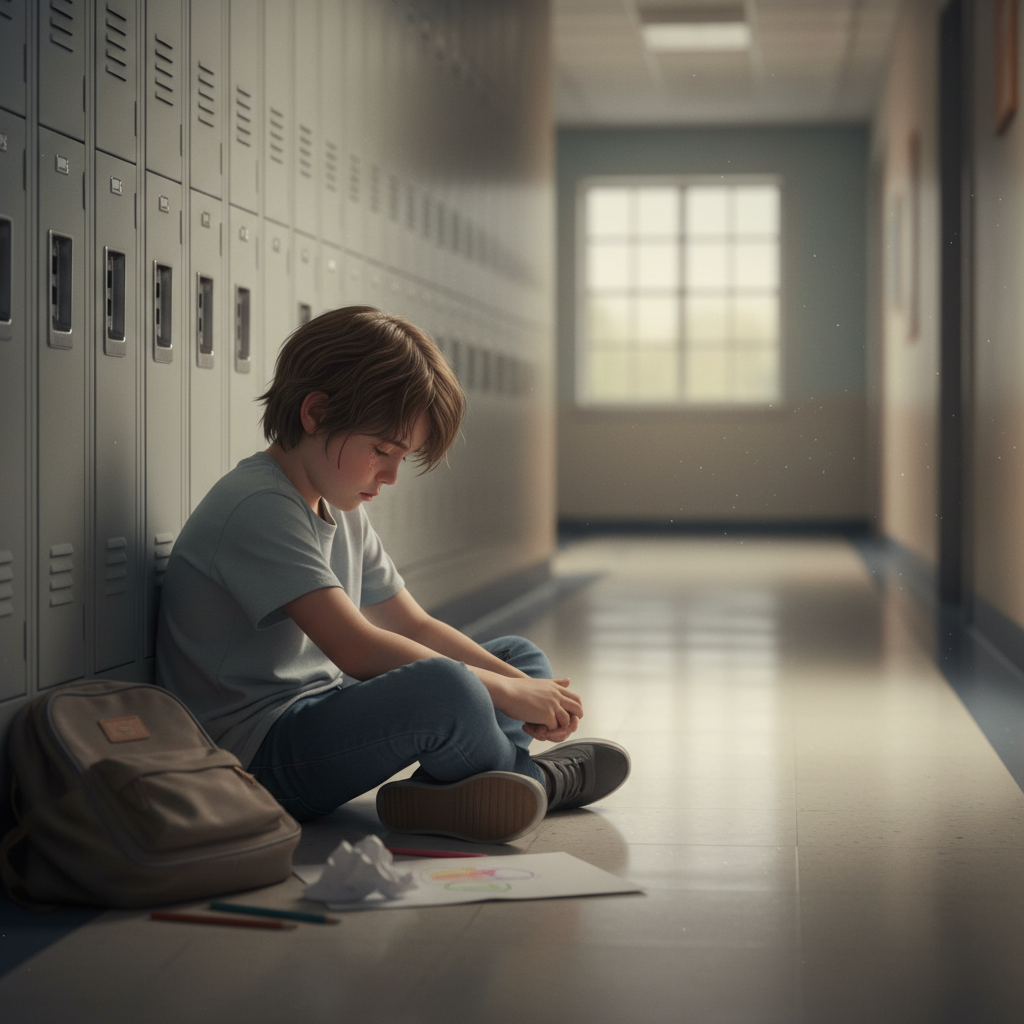
Some children did not argue. They did not push back. They cried quietly in the toilets so no one would see.
“We Are the Experts. Not You.”
Students were told this directly. We are the experts. Not you. This in a school that described itself as inquiry-based.
But there was little inquiry. No real questioning. No meaningful challenge. No space to think differently. Only one correct way, and the expectation to follow it.
When Boundaries Blur
A teacher told a child, “I used to hate you. Now I love you.” Later that same adult shared details of their traumatic childhood with students as a way to control behaviour. No one stopped it. No one seemed to question it. But something about it did not sit right.
There Is No Off
Breaks got shorter. Sometimes they disappeared entirely. Replaced with more practice, more preparation, more pressure. One child received 63 pages of homework over Easter.
By the end of term the results were visible: exhaustion, anxiety, fear of falling behind. Not learning. Surviving.
The Ones Who Disappear Quietly
Not every child reacts loudly. Some simply fade. There was one child who did not disrupt and did not fail publicly. He just struggled quietly. No recognition. No support. Just pressure to keep up.
Another detail came up repeatedly: children did not feel comfortable even asking to go to the toilet. So they did not. Because drawing attention to yourself felt risky.
Two Versions of the Same School
When parents were watching, everything softened. Teachers changed. Voices changed. The atmosphere shifted. Then it switched back again. And the children knew it.
This was presented as a Cambridge curriculum. But inside the daily experience felt far narrower: memorise, repeat, test. Over and over. Understanding did not appear to be the priority. Performance was.
What Eventually Shows
By summer, the signs were there. Burnout. Low energy. Anxiety. Fear of getting things wrong. Children were not asking questions. They were trying not to make mistakes.
On Paper
Results, prestige, rankings, strong branding
Underneath
Fear, quiet exhaustion, performative calm, pressure to comply
The Real Test
Would your child feel safe being imperfect there?
A Message to Parents
If you are choosing a school, look beyond the results and the branding. When you visit, ask yourself: do children feel safe to speak? Do they ask questions or stay quiet? Do they look energised or careful? What happens to the child who struggles?
Most importantly, would your child feel comfortable being imperfect there? Because that is where real learning lives.
High performance should never come at the cost of a child’s wellbeing.
Final Thought
A school can deliver results. A system can produce high scores. It can even be called one of the best. But if children are crying in toilets, afraid to ask questions, and learning to perform instead of think, then something is broken.
Not loudly. Not visibly. But quietly, every single day.
Education is not only about what children achieve. It is about who they become in the process.