School Visit Reflection
A School That Looked Perfect on Paper… Until We Walked Inside
Sometimes the real story of a school is not in the brochure. It is in the silences you notice, the language people use, and the way children actually look when no one is performing for the tour.
Sometimes the real story of a school is not in the prospectus. It is in the feeling you get when you walk through the doors and start noticing what the marketing language quietly leaves out.
We visited a school recently that, on paper, seemed to have everything. It described itself as student-focused, spoke confidently about happy children, and presented strong results in all the right ways. The kind of school that makes families feel they may have found the one.
So we booked a tour.
The First Red Flag: A Conversation About “Control”
We sat down with admissions. He barely looked up from his paper. The questions were routine and almost rehearsed. What are you looking for? What do you like about our school?
But what stood out was not what he asked. It was what he kept saying. Over and over again, he used one word: control.
“We have strong control over behaviour.”
“We maintain control in classrooms.”
“Our systems ensure control at all times.”
He spoke with pride about how students are sent home for missing even one part of their uniform. It was clear very quickly that this was not a conversation about guidance, trust, or development. It was a conversation about compliance.
And already, something felt off.
Impressive on the Surface, Unsettling Up Close
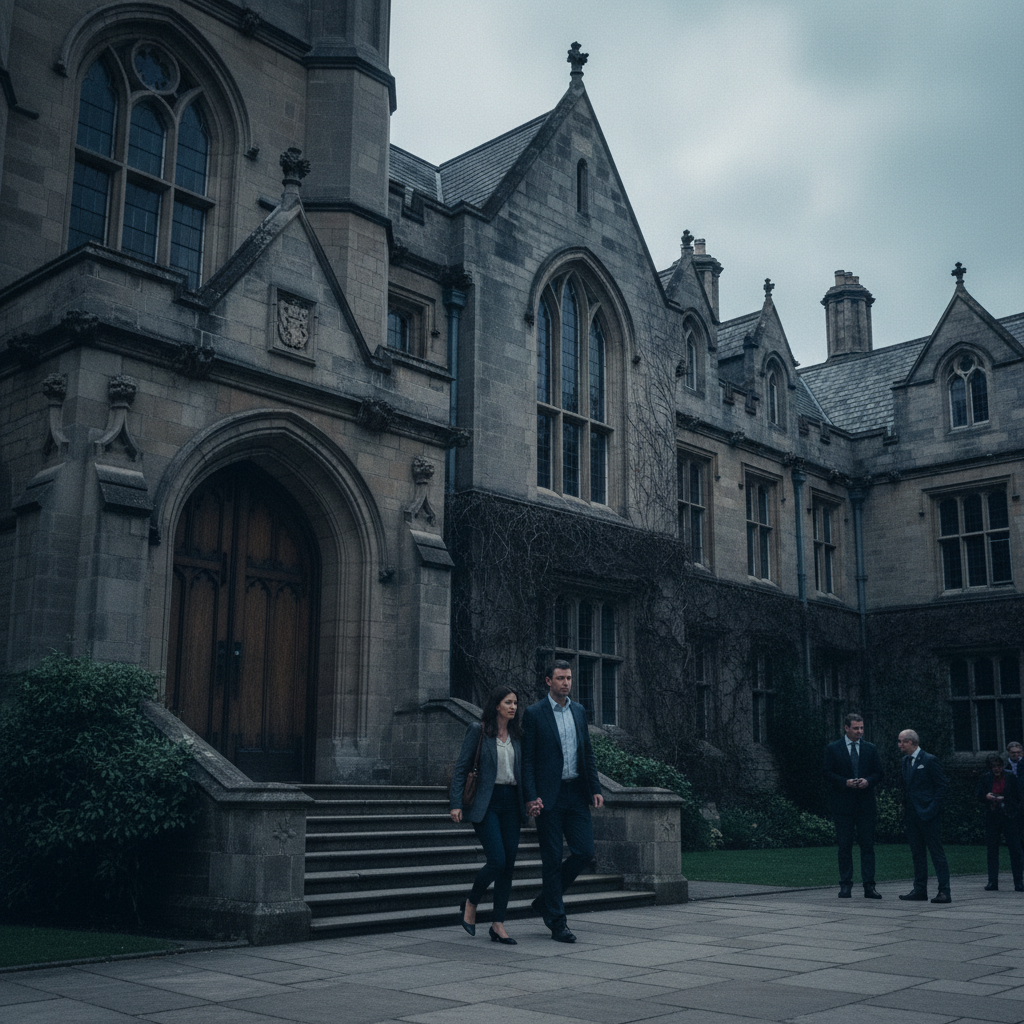
As we walked through the building, the first impression was undeniably striking. It looked like something out of Hogwarts. Grand. Historic. Impressive.
But it also felt cold. There was a stillness that did not feel calm. It felt controlled. The kind of silence that makes you wonder whether children are settled or simply shut down.
The Kindergarten That Stayed With Me
Then we passed the kindergarten, and this was the moment I still cannot shake. The classroom door was locked. We were told that this was for safety.
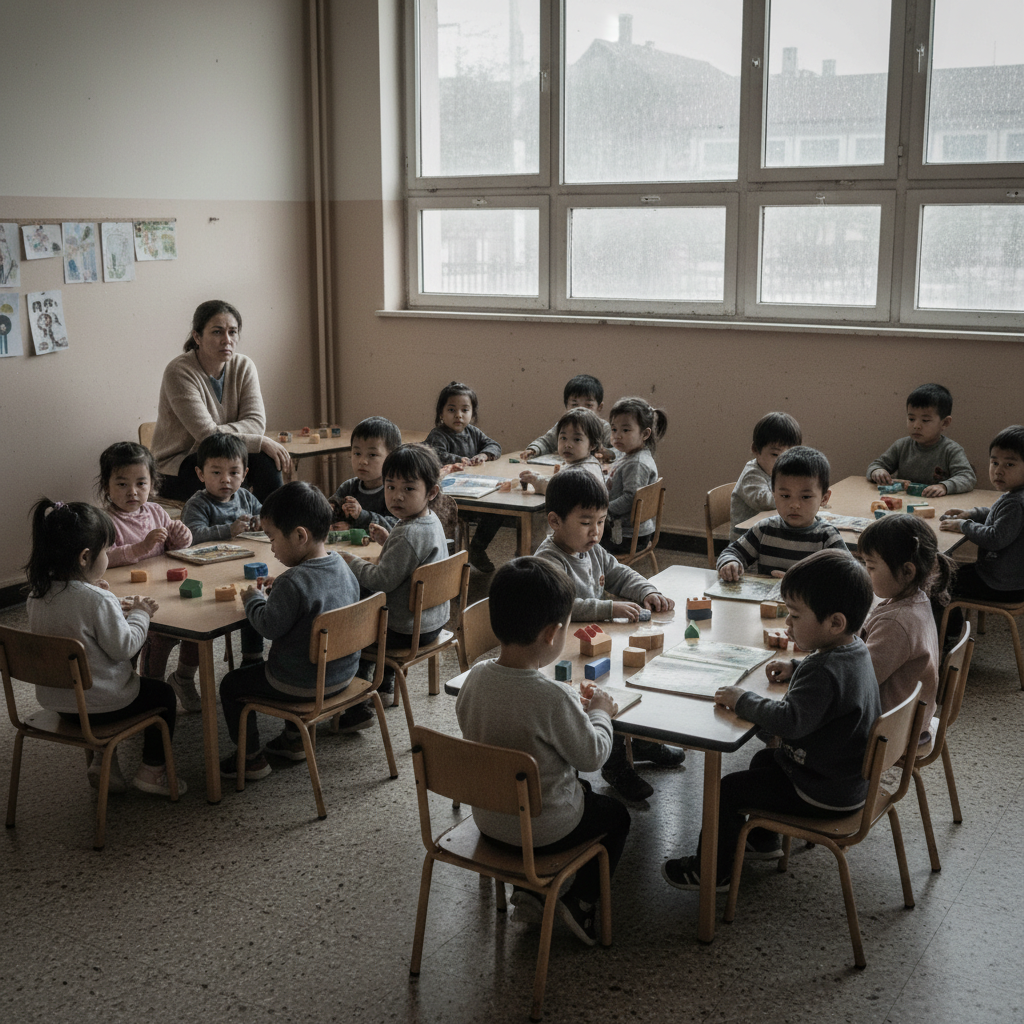
Inside were very young children sitting quietly. There was minimal interaction. A handful of broken, tired toys. One teacher. No visible support. She looked exhausted. Not simply tired, but worn down.
The children did not look energetic or curious. They did not look disruptive. They looked flat. Understimulated. Contained.
At that age, you expect movement, noise, imagination, and curiosity. Instead, there was silence.
Classrooms Frozen in Time
As we moved through the older classrooms, another pattern began to emerge. Desks that looked decades old. Cluttered spaces. Books piled without purpose. A general sense of neglect.
It did not feel like a place designed for modern learning. It felt like a place that had simply not evolved.
The Student I Cannot Forget
But the moment that stayed with me most was a girl from Denmark. She was visibly struggling. She did not yet speak the languages of the school well enough to access the curriculum, and you could see it written all over her face: confusion, overwhelm, exhaustion, and the relentless effort of trying to keep up.
We were told she had recurring headaches. She looked withdrawn. Tired. Lost inside a system that was not designed for where she actually was.
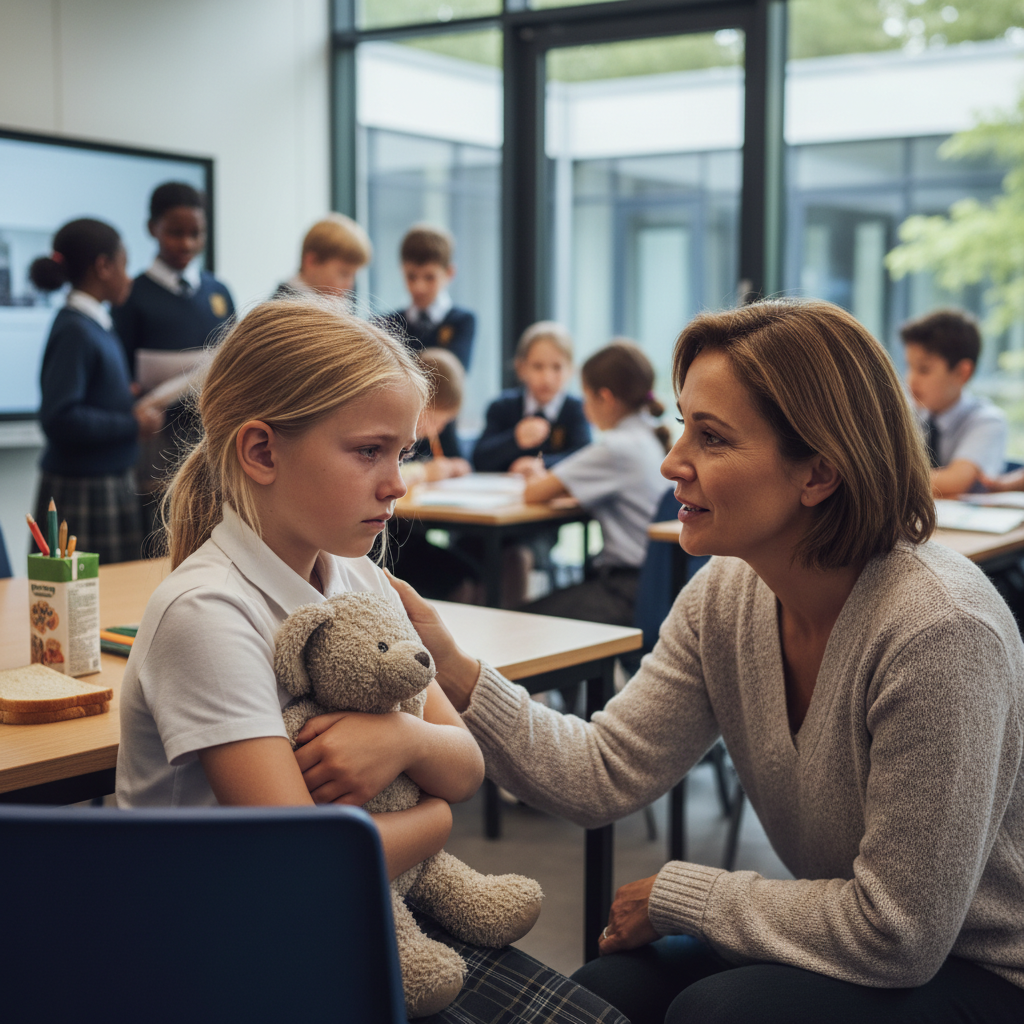
My husband spoke to her briefly in Danish. In that moment, she changed. She lit up, just for a few seconds, because for the first time someone met her where she was. Then it faded. And she went back to trying to survive in an environment that was not built for her.
What We Actually Saw
On paper, the school offered structure, discipline, and results. But what we saw underneath was something else entirely:
Instead Of
Connection, curiosity, and responsiveness
We Saw
Control over connection, compliance over curiosity, systems over students
Real Question
Would a child who struggles actually be seen here?
The Lesson: Look Beyond the Words
This experience changed how we look at schools. Because the things that matter most are not always the things being advertised. You will not usually find them in the brochure.
You have to feel them when you visit.
Questions worth asking on a school visit:
Do the children look engaged, or just quiet?
Do the teachers look supported, or stretched thin?
Is discipline rooted in fear, or in understanding?
Would a child who struggles actually be seen here?
Final Thought
A school can have beautiful buildings, strong policies, and impressive results. But if a child feels unseen, unsupported, or overwhelmed, none of that really matters.
Education is not only about outcomes. It is about how children feel while they are getting there.