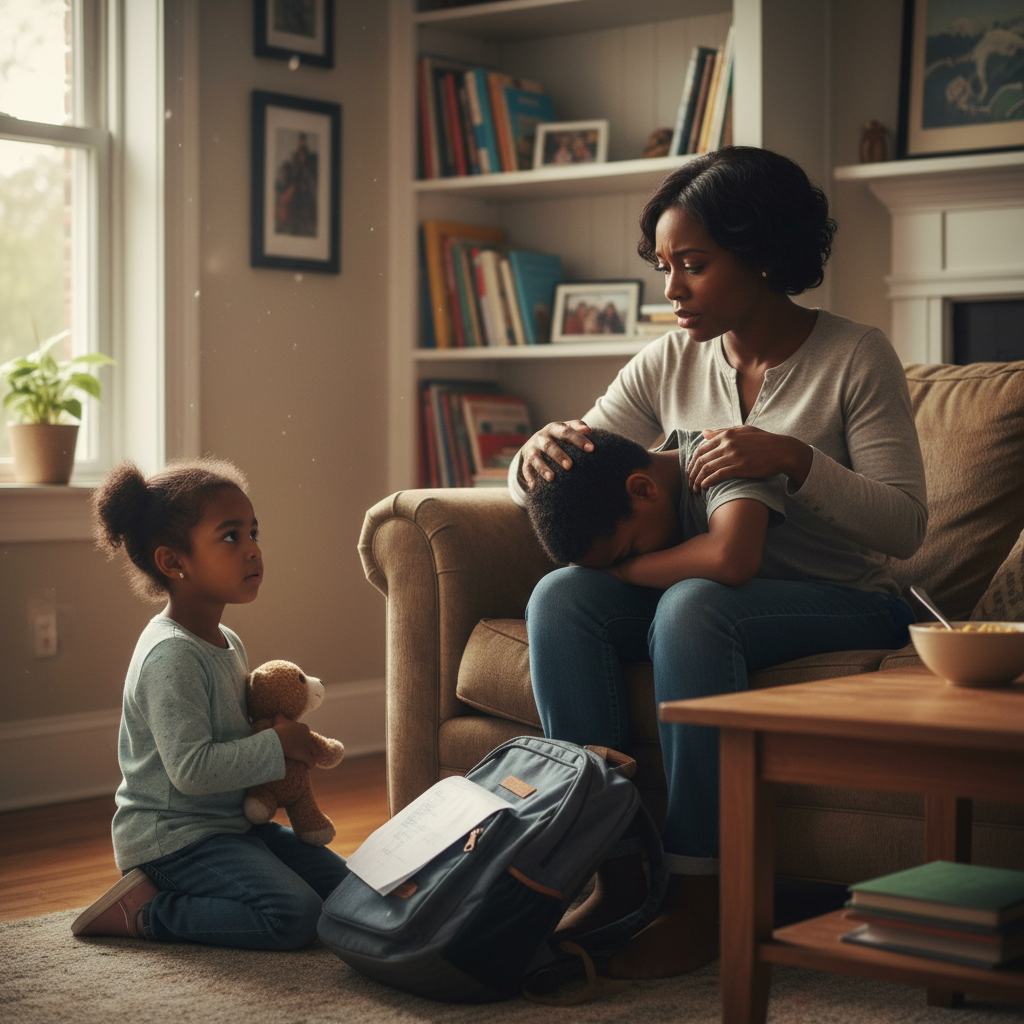
It is one of the hardest things to hear as a parent: I hate school.
Sometimes it is said in passing. Sometimes it shows up in tears in the morning, resistance to homework, or silence when you ask about the day.
Then your mind starts racing. Is something wrong? Is it the teacher? Are they just being difficult? Or is this normal?
At some point, most children say they hate school. But not all hate means the same thing.
Sometimes what they really mean is: I am tired. I am bored. I do not feel confident. Something feels hard and I do not know how to say it.
The Mistake Many Adults Make
A lot of adults hear I hate school and respond with things like You have to go, It is important, or Everyone feels like that sometimes.
That may all be true. But it can also shut down the real message underneath.
What "I Hate School" Can Actually Mean
1. I Feel Under Pressure
Your child might be worried about tests, afraid of getting things wrong, or trying hard to keep up. Even high-performing children feel this. Often, especially them.
2. I Do Not Feel Understood
This can happen when teaching does not match how they learn, when they need more support, when they need more challenge, or when they simply feel overlooked.
3. I Do Not Feel Safe to Struggle
Some children learn that mistakes equal failure and asking for help equals weakness. Instead of saying I do not understand, they say I hate it.
4. I Am Exhausted
School can feel fast, demanding, and constant. For some children, it is not school they hate. It is how school makes them feel.
5. Something Social Is Not Right
Sometimes the issue is not academic at all. It might be friendships, feeling left out, or subtle social pressure. These are often the hardest things for children to explain.
The Children We Miss Most
Ironically, the children who often say they hate school most quietly are the good kids, the ones who do not cause trouble, and the ones who keep going.
These children often internalise stress and do not want to disappoint anyone. That is why their distress can be easy to miss.
What Your Child Needs More Than Solutions
Before fixing anything, most children need to feel heard.
Instead of asking Why do you hate school? try questions that open the door more gently.
- What has been the hardest part of your day lately?
- When do you feel most uncomfortable at school?
- If one thing could change, what would it be?
These questions tend to unlock much more than direct challenge or reassurance.

What to Look For
Pay attention to patterns rather than isolated moments.
- Morning anxiety
- Changes in behaviour
- Increased frustration or withdrawal
- Rushing work or avoiding it
These are signals, not bad behaviour.
What You Can Do
Lower Pressure
Focus less on results and more on effort and wellbeing.
Create Safety
Make space to talk without judgement or immediate fixing.
Work With School
Share what you are seeing and ask questions before making assumptions.
Protect Confidence
Remind them they do not have to be perfect to be doing well.
When to Take It More Seriously
If you are seeing persistent distress, refusal to attend, or physical symptoms such as headaches or stomach aches, it is time to dig deeper and involve the school more directly.
Final Thought
When a child says I hate school, they are not rejecting education. They are telling you that something about the experience is not working for them.
Your role is not to fix everything overnight. It is to ask: what is my child trying to tell me that they do not yet have the words for?
Once you understand that question more clearly, you are already helping more than you realise.