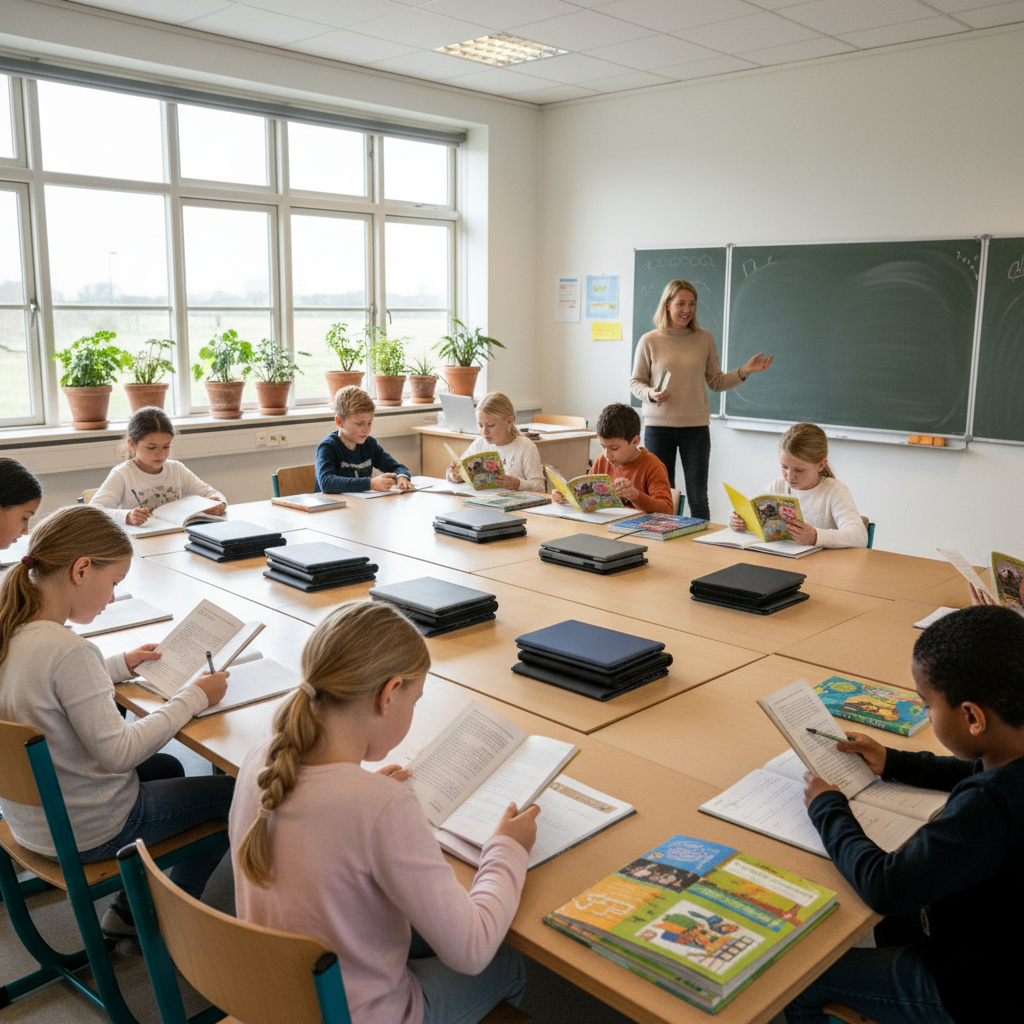
Few things worry parents more than the thought: my child has no friends.
You notice they are not invited to parties, they do not talk much about classmates, they spend break times alone, or they say things like no one plays with me.
It can feel heartbreaking. And the questions start quickly. Is something wrong? Are they being left out? Should I step in?
Not having friends right now is not the same as being unable to make friends, and it is not proof that something is wrong with your child.
Friendship in childhood is fluid, inconsistent, and often messy. That is why it helps to slow down before deciding what the situation means.
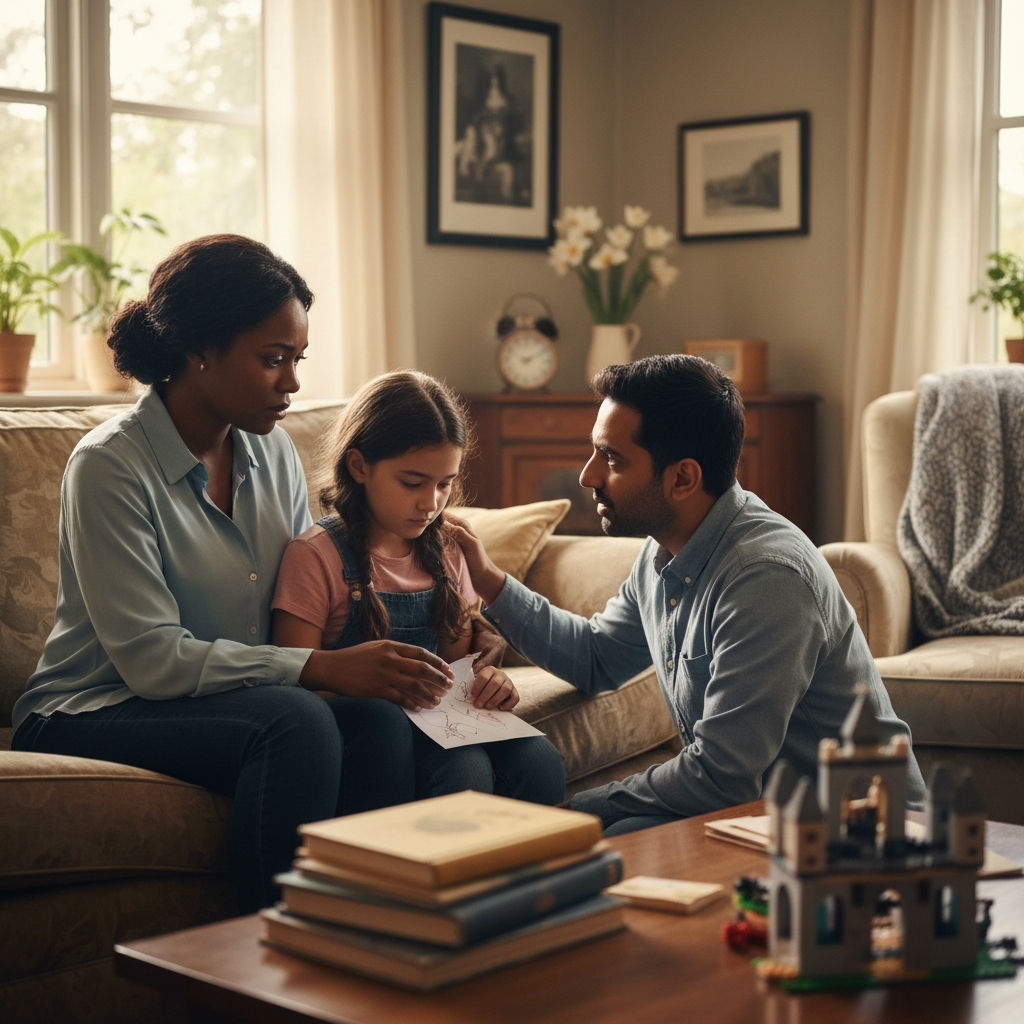
What "No Friends" Can Actually Mean
1. They Have Not Found Their People Yet
Some children need more time, do not click easily, or prefer deeper connections over larger groups. They may form fewer friendships, but often stronger ones later.
2. They Are in the Wrong Environment
Sometimes it is not the child at all. It is class dynamics, dominant personalities, or already-formed social groups. Even confident children can struggle in the wrong mix.
3. They Do Not Have the Skills Yet
Friendship is a skill. Some children need more support with starting conversations, reading social cues, or joining in play. That is learnable, not fixed.
4. They Are Quietly Struggling
Some children say they are fine because they do not want to worry you. Underneath that, they may feel lonely or unsure how to change things.
5. They Are Actually Okay, But It Looks Different
Some children genuinely enjoy being alone and do not need constant social interaction. The important difference is whether they are content or distressed.
Why This Can Feel Harder Today
Social dynamics are often more complex than many parents remember from their own school years.
- More comparison
- Subtle social hierarchies
- Pressure to fit in
That means even small social experiences can feel disproportionately big for children.
What Your Child Needs Most
What they need most is usually not immediate solutions or forced friendships. What helps first is understanding and confidence.
That is why the questions you ask matter a great deal.
- Who do you like being around at school?
- What happens at break time?
- Is there anyone you wish you could spend more time with?
Gentle questions make safer answers more likely.
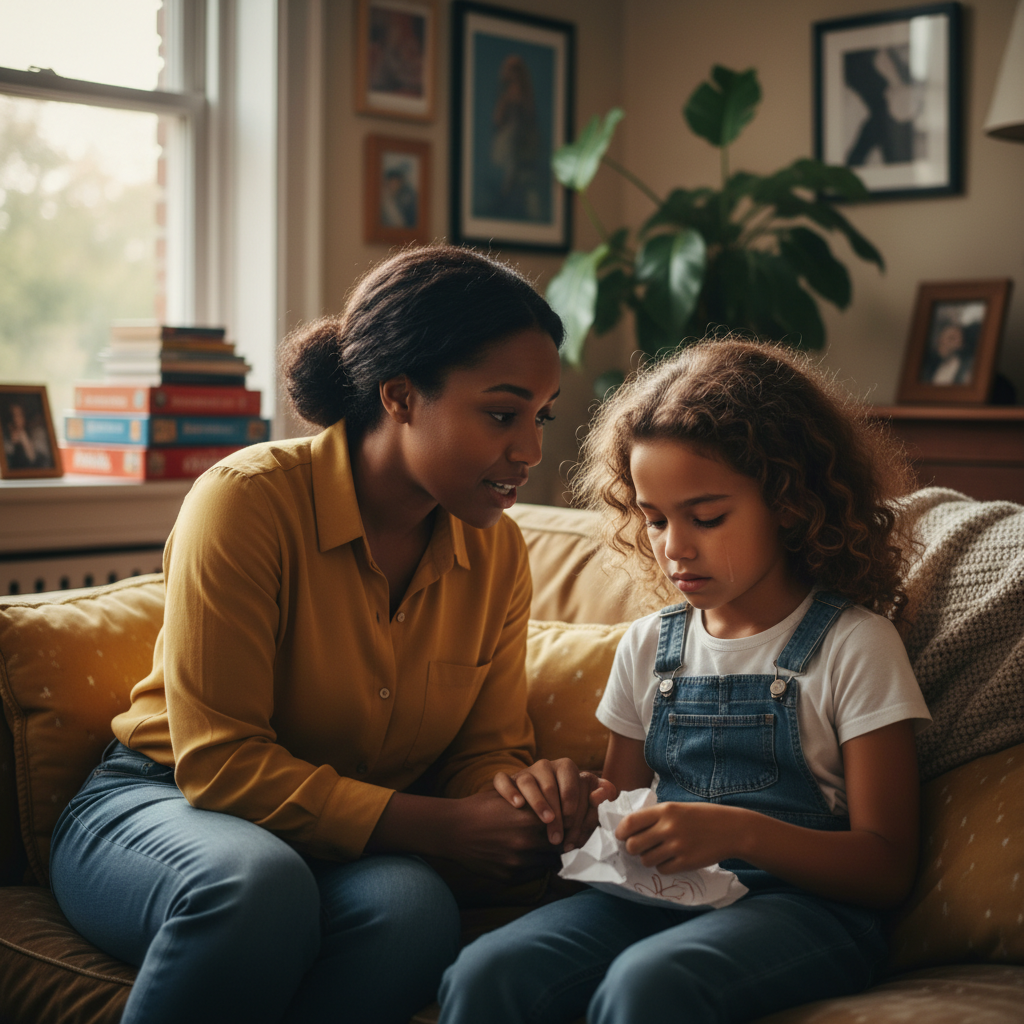
What You Can Do
Stay Calm
Do not panic. Children pick up your anxiety quickly.
Build Skills at Home
Practice conversation, turn-taking, and expressing opinions.
Create Opportunities
Small playdates, clubs, or activities can open doors outside the classroom.
Focus on One Connection
Your child does not need lots of friends. One safe connection can matter enormously.
Work With School
Ask what teachers see at break time and who your child gravitates toward.
When to Look Deeper
Take the situation more seriously if your child seems distressed, withdrawn, starts avoiding school, says things like no one likes me, or shows visible changes in mood and confidence.
That may be the point where more structured support and school involvement become important.
A Truth Parents Need to Hear
Some children who struggle socially early on grow into thoughtful, self-aware, deeply connected adults.
They often value real relationships, think deeply about people, and do not rely on fitting in to feel secure.
Final Thought
When you find yourself thinking my child has no friends, it can help to reframe it as my child has not found the right connections yet.
Your role is not to fix everything instantly. It is to help your child feel that there is nothing wrong with them, and that time, support, and the right environment can change a lot.
That sense of safety is often where social confidence begins to grow.