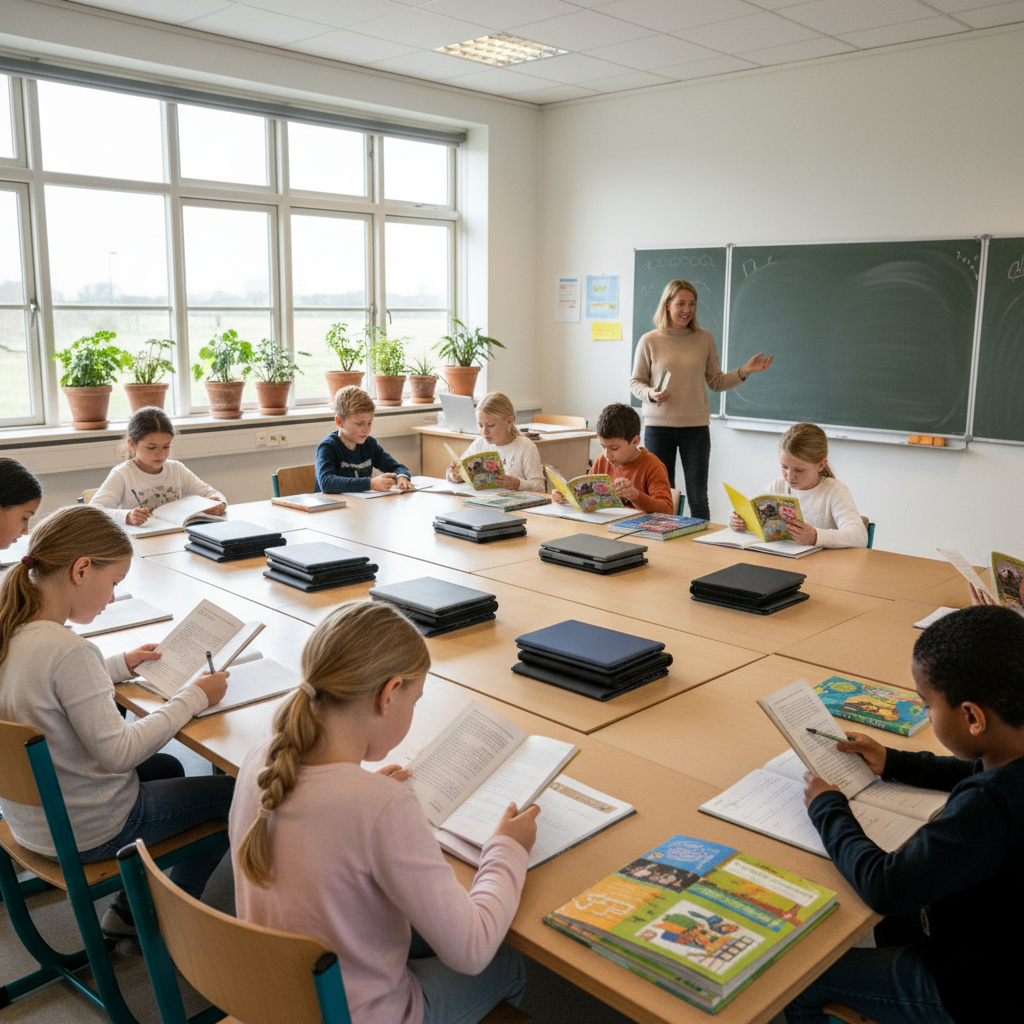

As a parent, choosing the right education system for your child can be a daunting task, especially when considering international options. With numerous systems to choose from, each with its unique strengths and weaknesses, it's essential to understand the differences and similarities between them. In this article, we'll delve into the world of international education systems, exploring their curricula, teaching methods, and outcomes, to help you make an informed decision for your child's future.
Introduction to International Education Systems
International education systems are designed to provide students with a global perspective, preparing them for an increasingly interconnected world. These systems often emphasize language skills, cultural awareness, and critical thinking, aiming to produce well-rounded, adaptable individuals. Some of the most popular international education systems include the International Baccalaureate (IB), the British curriculum, and the American curriculum.
When exploring international education systems, it's crucial to consider factors such as curriculum structure, assessment methods, and extracurricular activities. For instance, the IB curriculum is known for its emphasis on inquiry-based learning, while the British curriculum focuses on a more traditional, subject-based approach. By understanding these differences, you can better determine which system aligns with your child's learning style and interests.
Comparing Curricula and Teaching Methods
One of the primary distinctions between international education systems is their curriculum and teaching approach. The IB curriculum, for example, is renowned for its interdisciplinary and inquiry-based learning, encouraging students to explore real-world issues and develop critical thinking skills. In contrast, the American curriculum often focuses on standardized testing and core subjects, such as mathematics, science, and language arts.
To illustrate the differences, consider a scenario where a student is interested in pursuing a career in environmental science. An IB school might offer a course in Environmental Systems and Societies, which integrates science, social studies, and language skills to explore the complex relationships between human societies and the natural world. In contrast, an American school might offer a separate Environmental Science course, focusing on the scientific aspects of the subject.
Assessment Methods and Outcomes
Assessment methods and outcomes also vary significantly between international education systems. The British curriculum, for instance, places a strong emphasis on exams and assessments at the end of each key stage, while the IB curriculum uses a combination of internal and external assessments to evaluate student performance. Understanding these differences is vital, as they can impact your child's future academic and career prospects.
Practical Advice for Parents
So, how can you, as a parent, navigate the complex world of international education systems? Firstly, it's essential to browse schools and read reviews from other parents and students to gain a deeper understanding of each system's strengths and weaknesses. You should also consider factors such as location, language support, and extracurricular activities when selecting a school.
Additionally, it's crucial to involve your child in the decision-making process, taking into account their learning style, interests, and career aspirations. By doing so, you can ensure that they receive an education that aligns with their needs and goals, setting them up for success in an increasingly globalized world.
Conclusion and Next Steps
In conclusion, international education systems offer a wealth of opportunities for students to develop into global citizens, equipped with the skills, knowledge, and cultural awareness necessary to thrive in an interconnected world. By understanding the differences and similarities between these systems, you can make an informed decision about your child's education, setting them on a path to academic success and personal growth.
To get started, we recommend browsing schools on our website, where you can find detailed information about international education systems, curricula, and schools. You can also read reviews from other parents and students to gain a deeper understanding of each system's strengths and weaknesses. By taking the first step, you'll be well on your way to finding the perfect school for your child and giving them the gift of a world-class education.
- Research international education systems and their curricula
- Browse schools and read reviews from other parents and students
- Consider factors such as location, language support, and extracurricular activities
- Involve your child in the decision-making process, taking into account their learning style, interests, and career aspirations