There is a moment many parents and school leaders rely on when making decisions.
They open the inspection report.
They scan the ratings. They read the headlines. They look for reassurance.
Outstanding. Good. Meets expectations.
It feels definitive. Objective. Reliable.
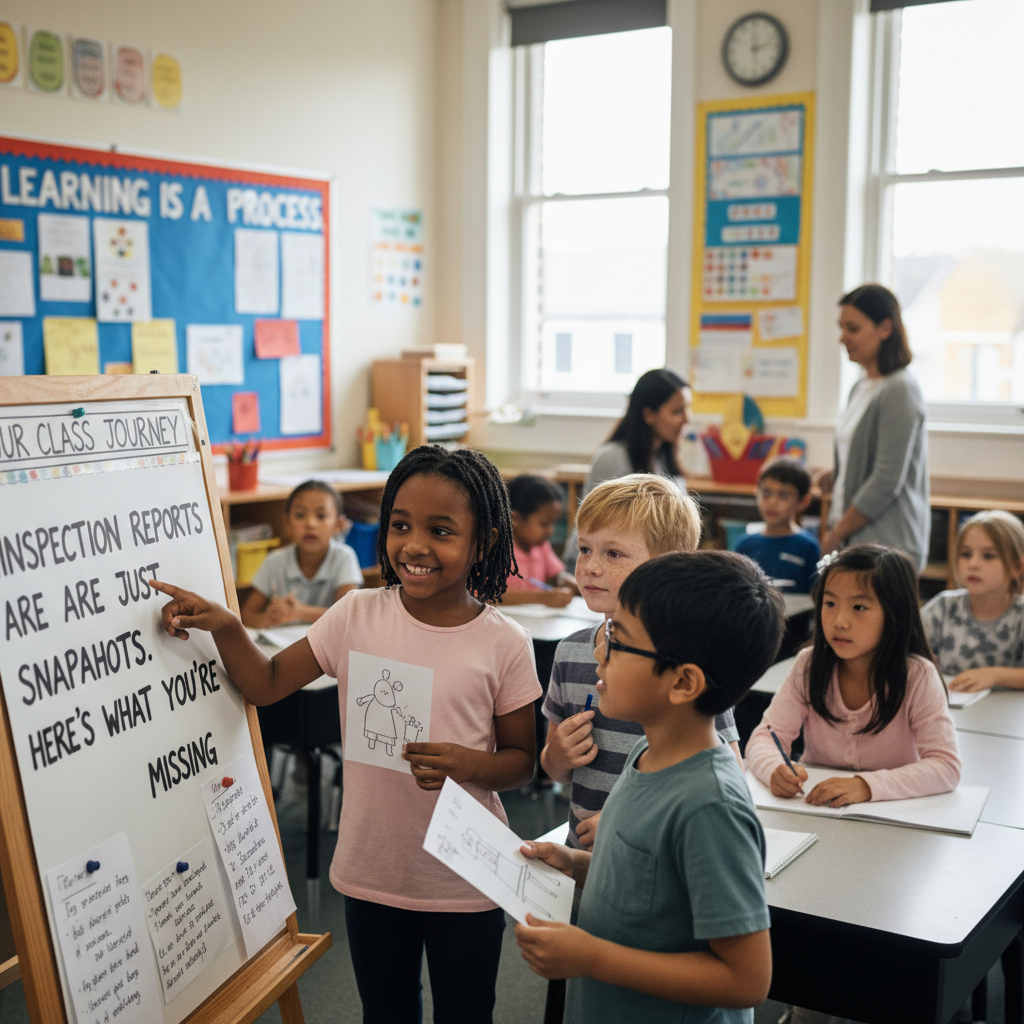
But the truth rarely said out loud is this: an inspection report is a snapshot, not the full story.
The Illusion of Certainty
Inspection reports are designed to create clarity, and they do serve an important purpose. They evaluate leadership, teaching quality, safeguarding, and outcomes. They give schools a degree of external accountability and give families a reference point.
But they are based on a single point in time: a few days, a limited number of lessons, selected interactions, and a short window in which a judgment is formed.
That makes them useful, but never complete.
What Gets Missed
Schools are living systems. They change constantly.
- Staff come and go
- Leadership evolves
- Culture shifts
- Student dynamics change
A report may accurately reflect what a school was at the time of inspection, but not fully what it is now, or how it feels day to day for the people inside it.
The Gap Between Report and Reality
This is where things become more interesting. Alongside official reports, we now have another form of evidence: lived experience.
You find it in parent conversations, student feedback, community reputation, and public review platforms. Sometimes these line up neatly with inspection findings. Sometimes they do not.
A school can have a strong report and still leave parents feeling communication is poor. A school can be rated highly and still leave students feeling unheard.
A school can meet every framework requirement and still create an experience that feels misaligned with what families or staff believe matters.
Why This Happens
Inspection frameworks naturally focus on what can be observed, documented, and measured within a short visit. But some of the most important dimensions of a school are harder to capture that way.
- Sense of belonging
- Student confidence
- Teacher-student relationships
- Day-to-day culture
These are not small extras. They shape how school is actually experienced. But they do not always show up clearly during a short inspection window.
Google Reviews vs Reality
Of course, public reviews are not perfect either. They can be emotional, one-sided, and heavily influenced by individual experiences.
But they offer something official reports often cannot: unfiltered insight into lived patterns.
If multiple parents mention the same issue, or if students consistently highlight the same strength, that is not just random noise. It is data of a different kind.
Reviews are not proof on their own. But patterns in reviews can reveal things worth taking seriously.
The Three Lenses You Need
If you want a truer picture of a school, it helps to look through three different lenses.
1. The Report
Structure, standards, and external validation
2. The Reviews
Patterns in real experience
3. The Visit
How the school actually feels in real life
No single source tells the whole story. But when these three sources begin to align, the picture gets clearer.
What to Look for When You Visit
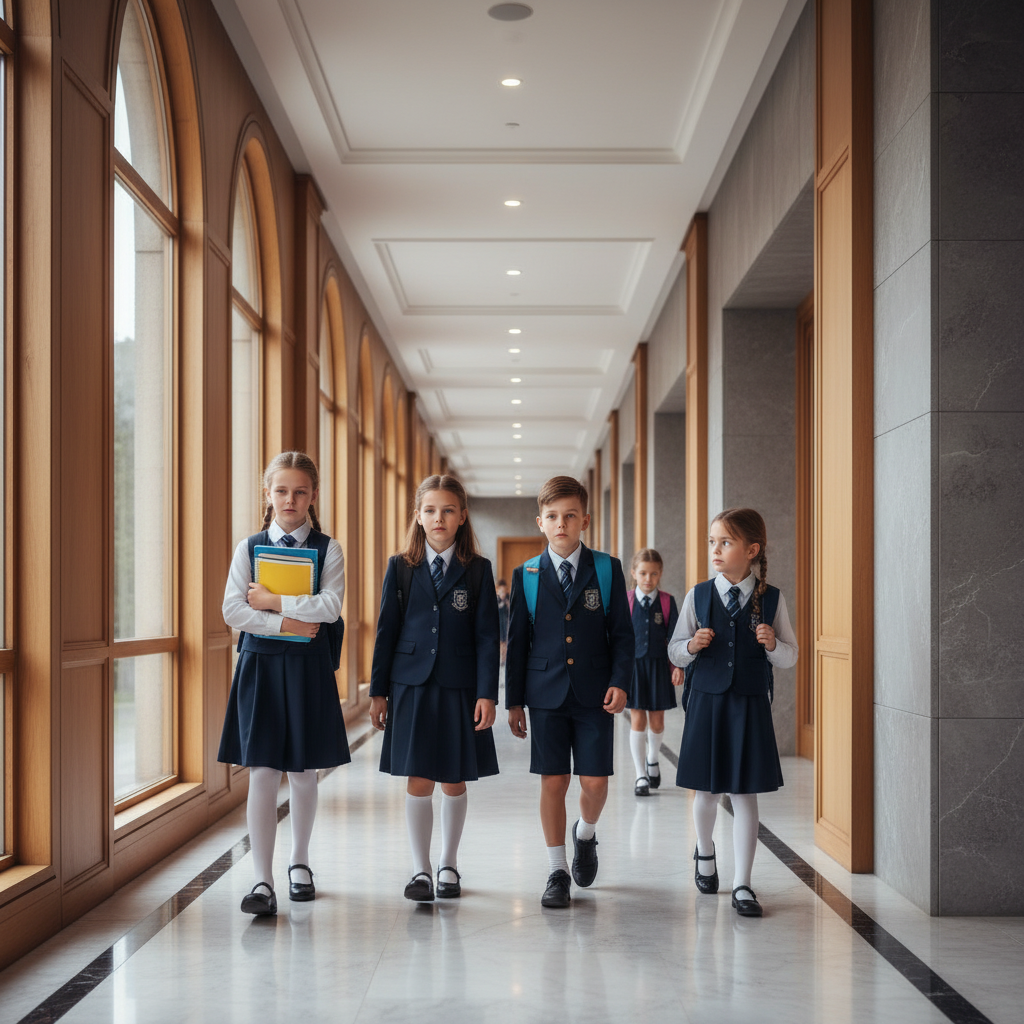
This is often where real clarity appears. Pay attention to things that are easy to miss if you focus only on surface impressions.
- How students interact with teachers
- Whether students speak confidently or cautiously
- How mistakes are handled
- The general energy in classrooms and corridors
- Whether staff seem engaged, purposeful, or stretched thin
You are not just observing procedures. You are sensing culture.
The Risk of Relying on One Source
If you rely only on reports, you risk seeing an outdated or incomplete picture. If you rely only on reviews, you risk seeing something more biased or emotionally skewed. If you rely only on appearances during a polished visit, you can miss depth entirely.
But when you combine all three, the truth usually becomes much easier to trust.
The Better Question to Ask
Instead of asking only, Is this school rated highly?
Ask: Does everything I am seeing, hearing, and feeling align?
That alignment is what creates trust.
The Bottom Line
Inspection reports matter. But they are never the whole picture. They are one part of a much larger puzzle.
A school is not just a set of ratings. It is an experience lived every single day by students, staff, and families.
If you really want to understand a school, you have to look beyond the snapshot.
Want more practical guidance on how to judge schools beyond surface signals? Explore our research-backed articles for parents, leaders, and school decision-makers.