Parent Guide
How to Teach Your Child to Handle Bullying and Social Pressure at Home
Most schools will respond once a problem is visible. Far fewer explicitly teach children how the social dynamics work before they are caught inside them.
Most parents imagine bullying as something they will deal with once it is obvious.
If it happens, I will speak to the school. I will tell my child to stand up for themselves. I will step in.
But by the time bullying becomes visible, the social pattern is often already established. The audience is in place. The power dynamic is already being rewarded. And the child in the middle of it is usually trying to make sense of something nobody has really explained to them.
Children usually struggle with bullying and social pressure not because they are weak, but because nobody has taught them how these dynamics actually work.
The Shift Parents Need to Understand
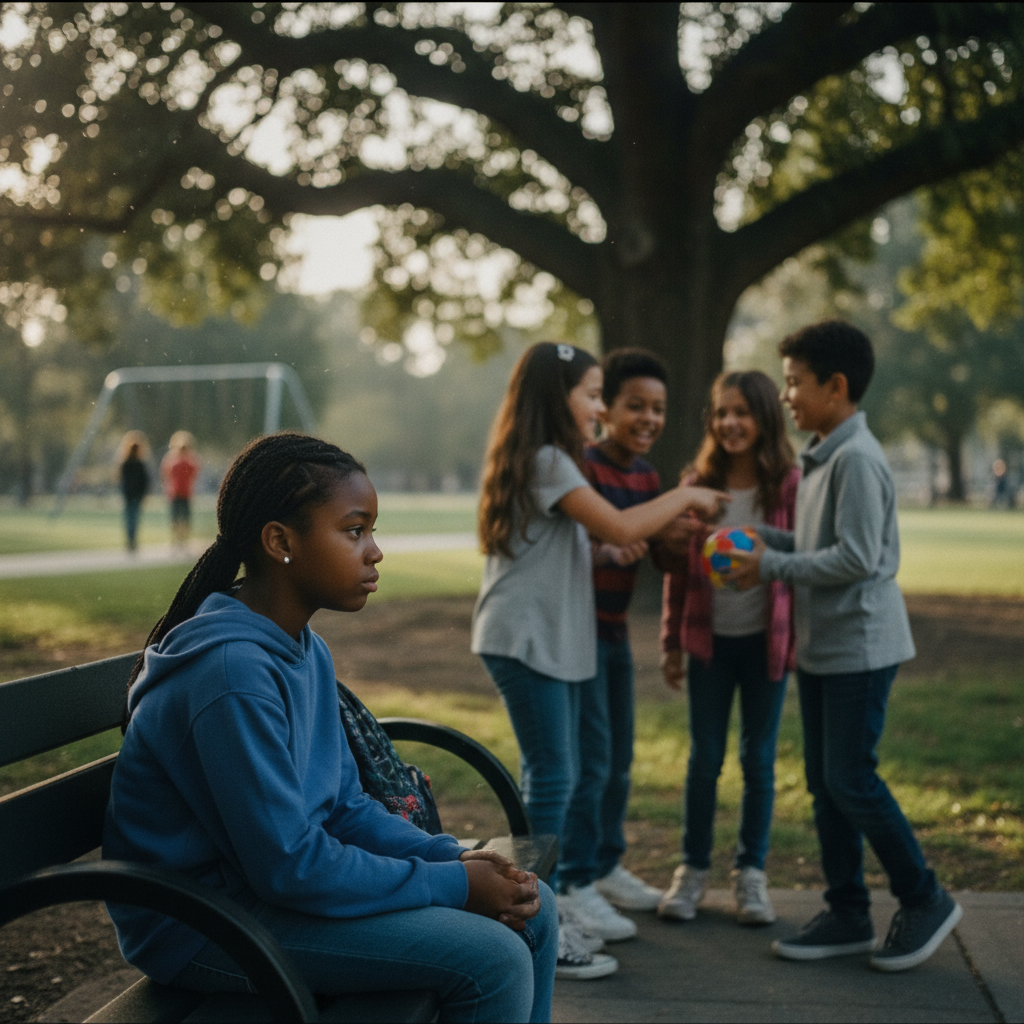
Bullying is rarely just one child being mean to another. More often it is a system made up of a group, an audience, silence, status, and subtle signals. Your child is not only learning how to respond if something happens to them. They are also learning how to read the room, what to tolerate, and what to do when they are not the obvious target.
Group
Status and belonging often shape behaviour more than one-on-one conflict.
Audience
Attention and silence can both reward bad behaviour.
Signals
Jokes, exclusion, eye rolls, and tone often matter before anything more obvious happens.
What You Need to Teach at Home
1. The Audience Has Power
Many children think it is not their problem if they are not directly involved. Teach them that when someone is treated badly and nobody says anything, the behaviour gathers power. This does not mean they must confront aggressively. It means they need to understand that silence is not neutral.
2. Learn the Difference Between Jokes and Disrespect
Children often minimise what is happening because it is framed as humour. Teach them to ask three things:
- Did it make you feel bad?
- Does it keep happening?
- Is it one-sided?
If the answer is yes, it matters.
3. You Do Not Need to Stay in Every Group
This matters particularly in group chats. Children often believe that leaving a bad group means losing belonging altogether. They need permission to understand the opposite: being inside a group that makes you feel bad is often worse than stepping away from it.
Teach them they are allowed to mute, step back, or leave. Belonging should not come at the cost of feeling unsafe.
4. Give Them Language Before They Need It
Children often freeze not because they are incapable, but because they do not know what to say in the moment. Practice short, calm phrases at home so they already have words when pressure arrives.
That's not funny.
I don't like that.
I'm not getting involved in this.
I'm going somewhere else.

5. Teach Them What a Real Friend Feels Like
Children are often told to be nice, but not always taught how to recognise whether a friendship is healthy. A useful question is simple: how do you feel after spending time with them? A real friend tends to leave a child feeling comfortable, not anxious.
6. Normalise Walking Away
Many children stay in unhealthy friendships because they think they must make them work. Teach them clearly that they are allowed to leave people who do not treat them well. That is not failure. It is a protective skill.
7. Do Not Feed the Behaviour
This is close to the core thinking behind approaches like KiVa. Bullying often seeks reaction, attention, and audience reward. Children need to understand that not reacting can sometimes be the strongest move because it removes the social payoff.
8. Talk About Digital Behaviour Explicitly
Most social damage now spills into digital spaces. Teach your child that if it is in a message, it can be shared. If they are emotional, they should pause before replying. And if something feels off, they should come to you before they act.
9. Be the Safe Place
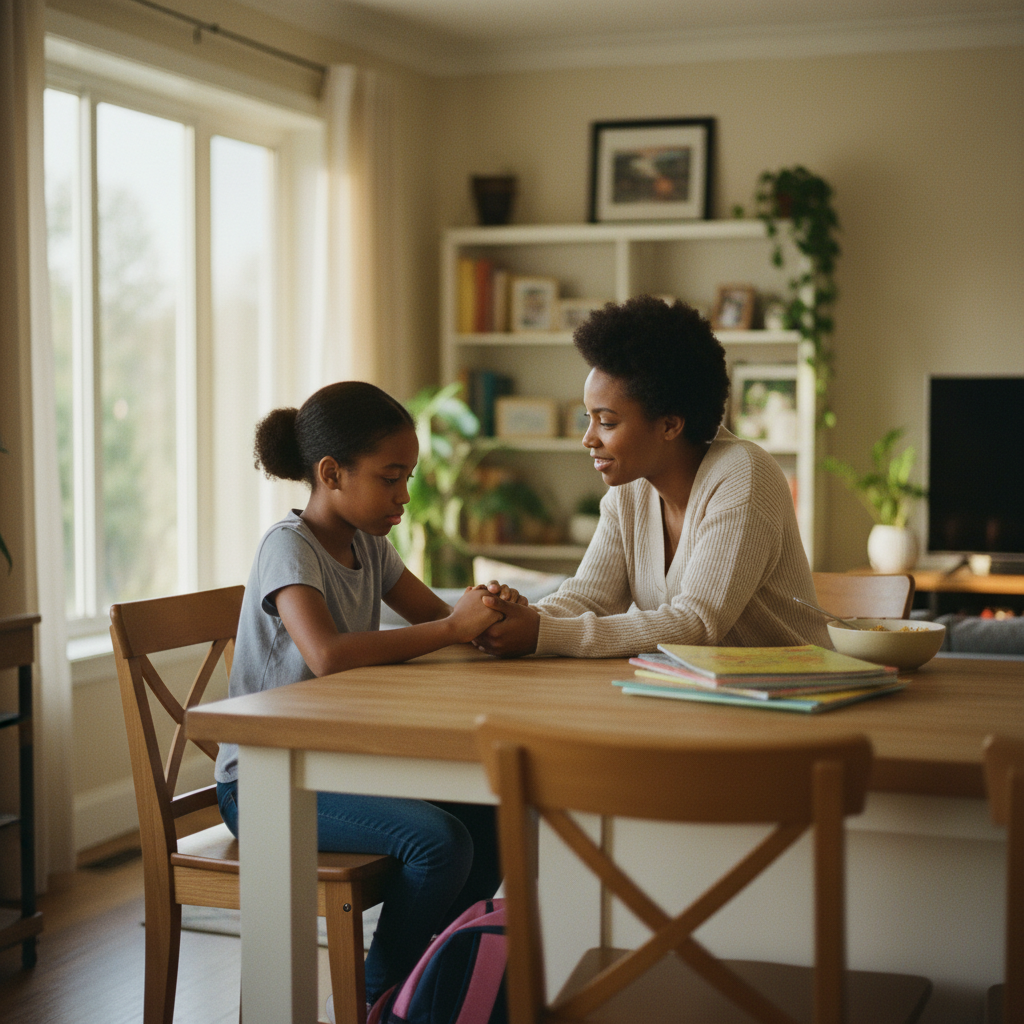
This is the part everything else rests on. If a child thinks they will get in trouble, be dismissed, or trigger panic, they are much less likely to tell the truth. They need to hear often: you can tell me anything and we will figure it out without panicking.
What Not To Do
- Tell them to just ignore it
- Jump in immediately and take over
- Dismiss it as drama
- Force friendships to continue
Those responses can reduce trust, confidence, and independence even when they are well-intentioned.
What Success Actually Looks Like
Success is not a childhood with no problems. It is a child who makes better decisions, notices unhealthy dynamics sooner, sets stronger boundaries, and carries less emotional impact from the behaviour of others.
A sentence worth leaving with your child is this: you do not need to be part of something that does not feel right in order to belong.