Learning Models
Distance Learning vs Traditional Learning
This is not about which system is better. It is about which one fits your child’s needs, personality, and lifestyle right now.
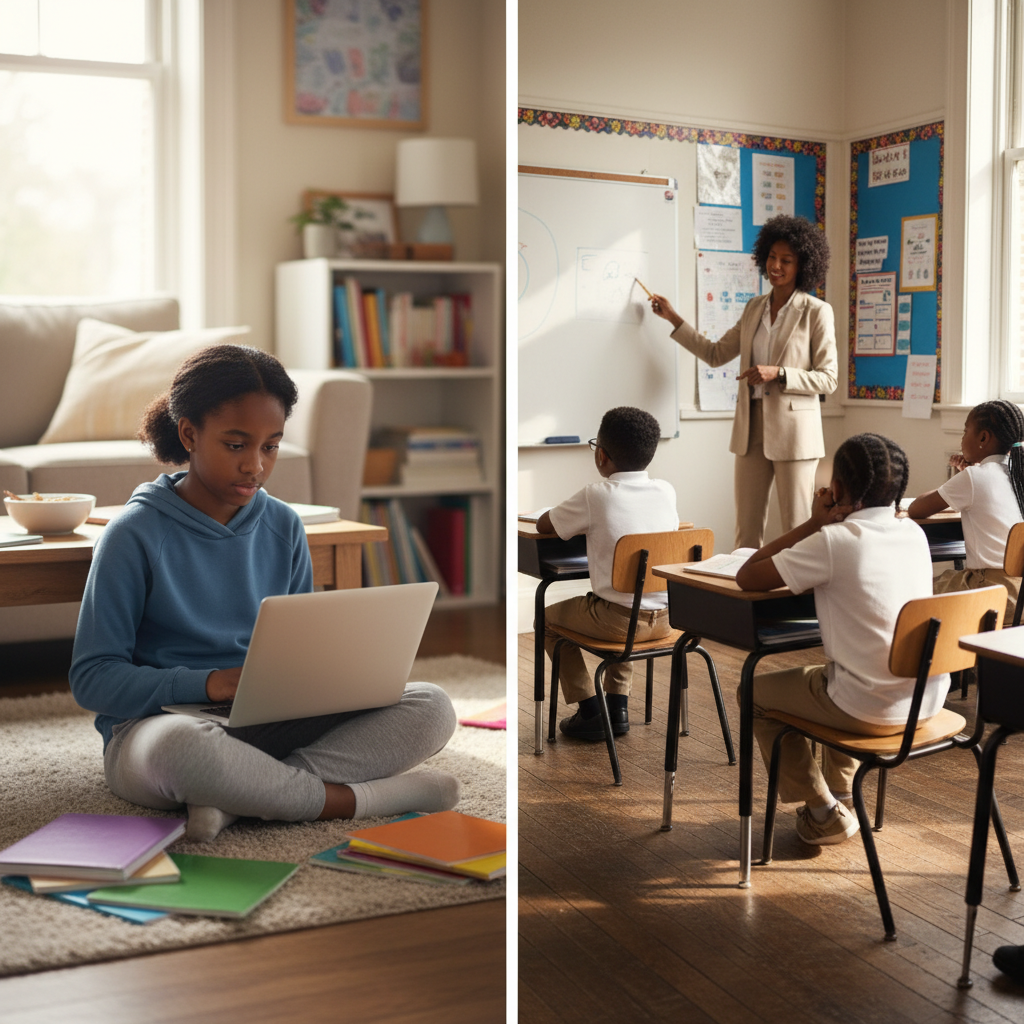
Choosing between distance learning and traditional classroom education is not always straightforward. Both have clear strengths and real limitations.
The more useful question is not which one is better, but which one works best for your child’s needs, learning style, confidence, and current season of life.
Distance Learning vs Traditional Learning
| Category | Distance Learning | Traditional Learning |
|---|---|---|
| Flexibility | High, with more control over pace and often schedule | Lower, with fixed timetables and structured days |
| Learning Pace | More personalised and adjustable | More standardised across the class |
| Teacher Access | Usually virtual through calls, messages, or online platforms | Immediate face-to-face interaction |
| Social Interaction | More limited unless deliberately created | Daily interaction with peers and teachers |
| Learning Environment | Home-based, comfortable but potentially distracting | Structured environment designed for learning |
| Independence | Requires stronger self-discipline and ownership | More guided day-to-day by teachers |
| Technology Use | Essential and constant | Supportive rather than central |
| Assessment Style | Often projects, coursework, and online tasks | More tests, exams, and in-person assessment |
| Stress Levels | Can be lower because there is less social pressure | Can be higher because routines and peer comparison are constant |
| Support Needs | Often requires more parental involvement, especially when children are younger | Requires less parent involvement during the school day |
| Access to Resources | Wide access to recorded lessons and global online content | Access to school facilities, physical materials, and shared spaces |
| Adaptability | Can adapt more easily to individual needs | Often slower to adjust to individual differences |
| Cost Factors | Can be lower without travel, uniforms, and related extras | Often higher once travel, uniforms, and activities are included |
What This Really Means
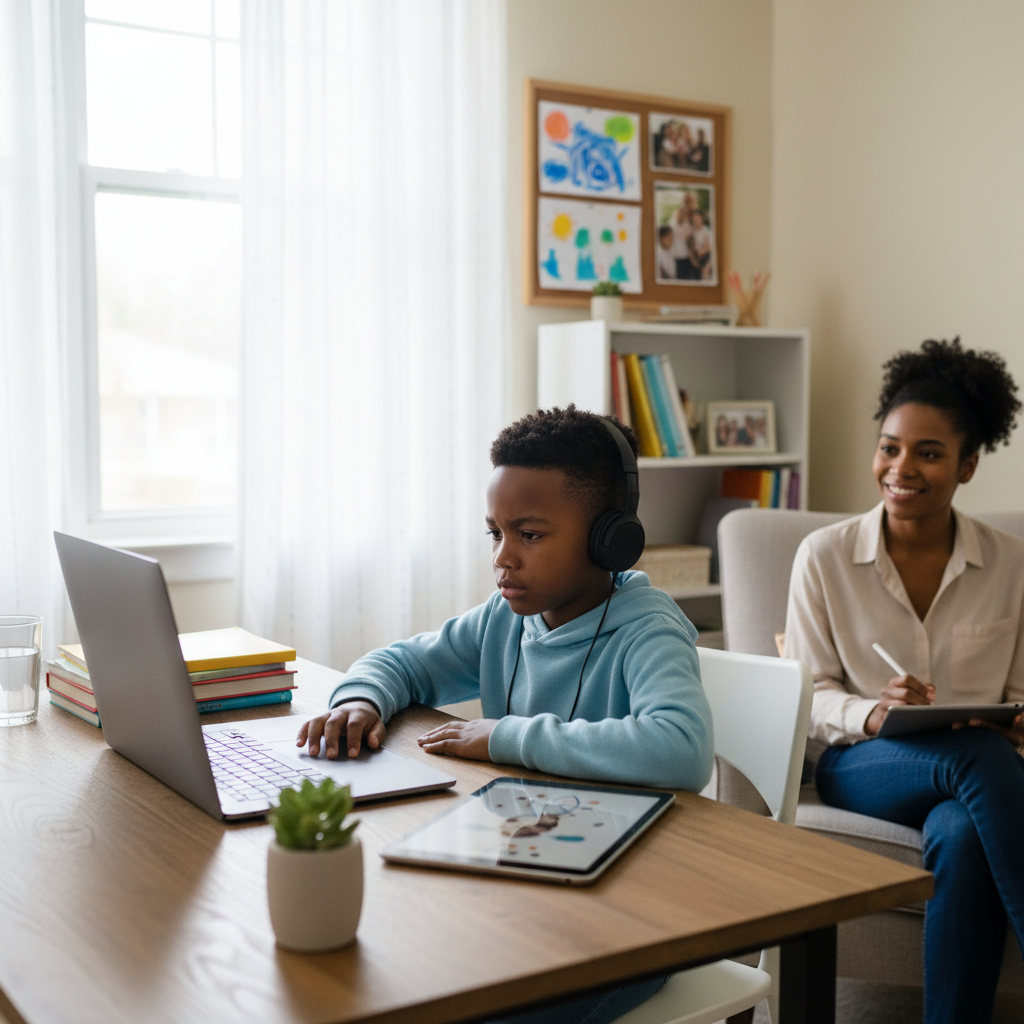
Distance learning often works best for children who are independent, self-motivated, comfortable with technology, or in need of more flexibility and a calmer environment.
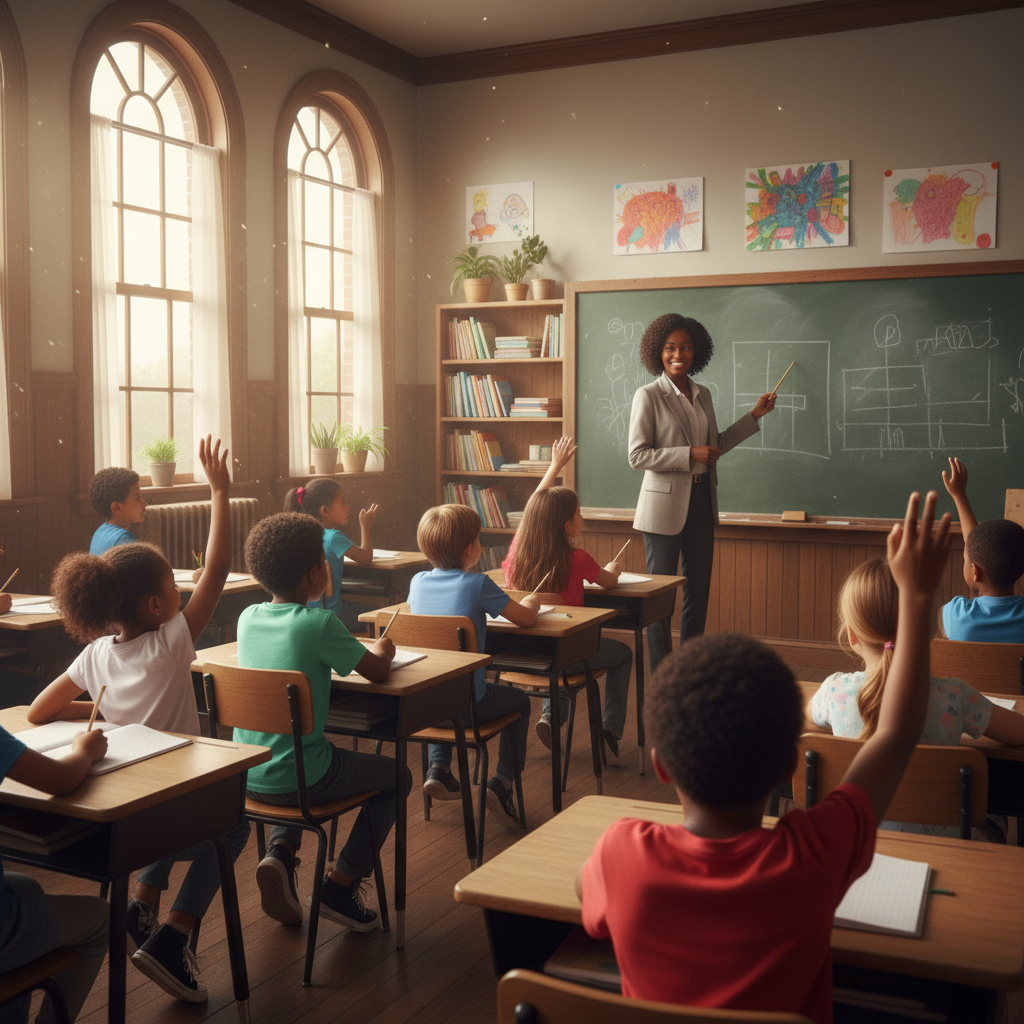
Traditional learning often works best for children who thrive on routine, need structure and supervision, enjoy social interaction, or learn better with hands-on and in-person support.
The Key Insight Many Parents Miss
It is not about choosing the better system. It is about choosing the right fit. A highly capable child can struggle in the wrong environment, and an average pupil can thrive in the right one.
What matters most is not the label of the model. It is whether your child feels engaged, supported, and stretched in a healthy way.
Final Thought
Education is no longer one-size-fits-all, and that is a positive shift. Whether learning happens online or in a classroom, what matters most is engagement, confidence, and consistent progress.
When those are in place, learning sticks.