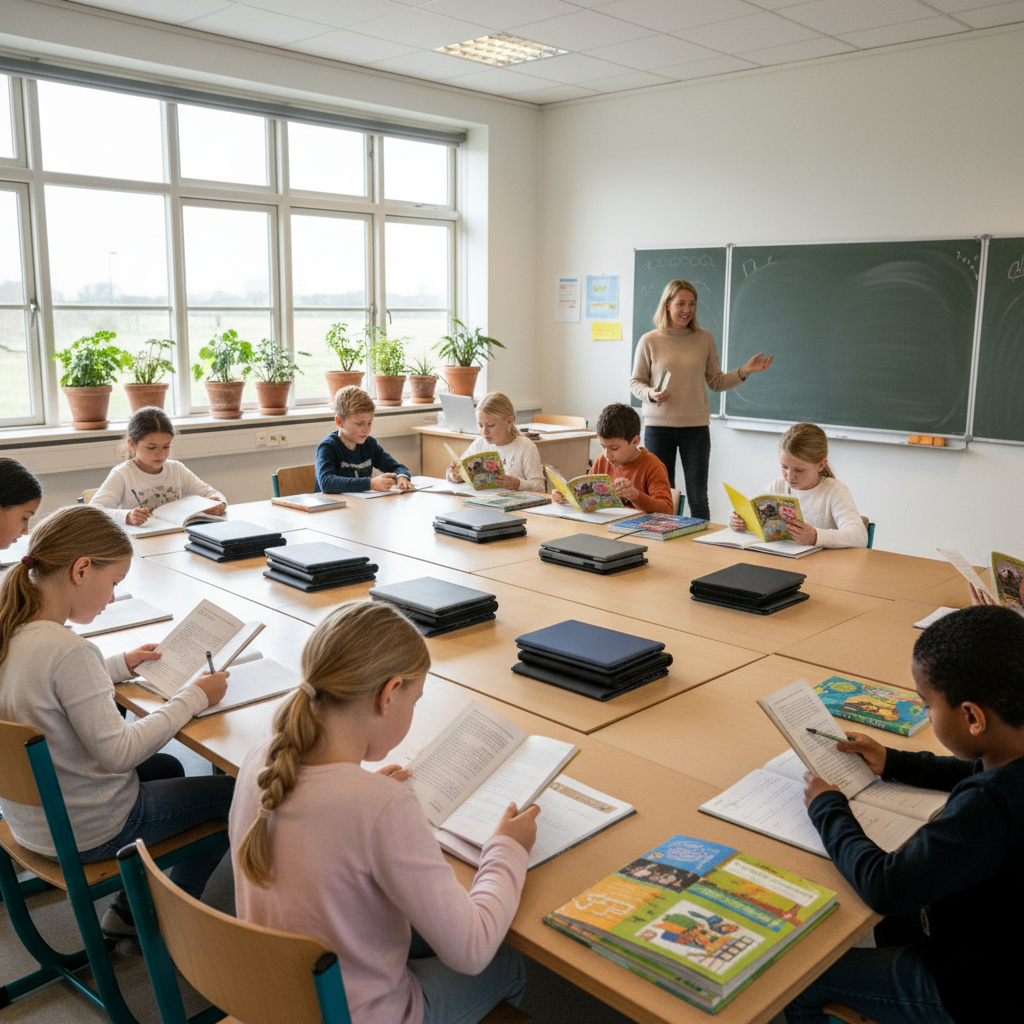
Education Strategy
Designing Education Around the Child (Not the System)
Children do not develop in straight lines and they do not all become ready at the same time. When education follows development rather than forcing it, everything changes.
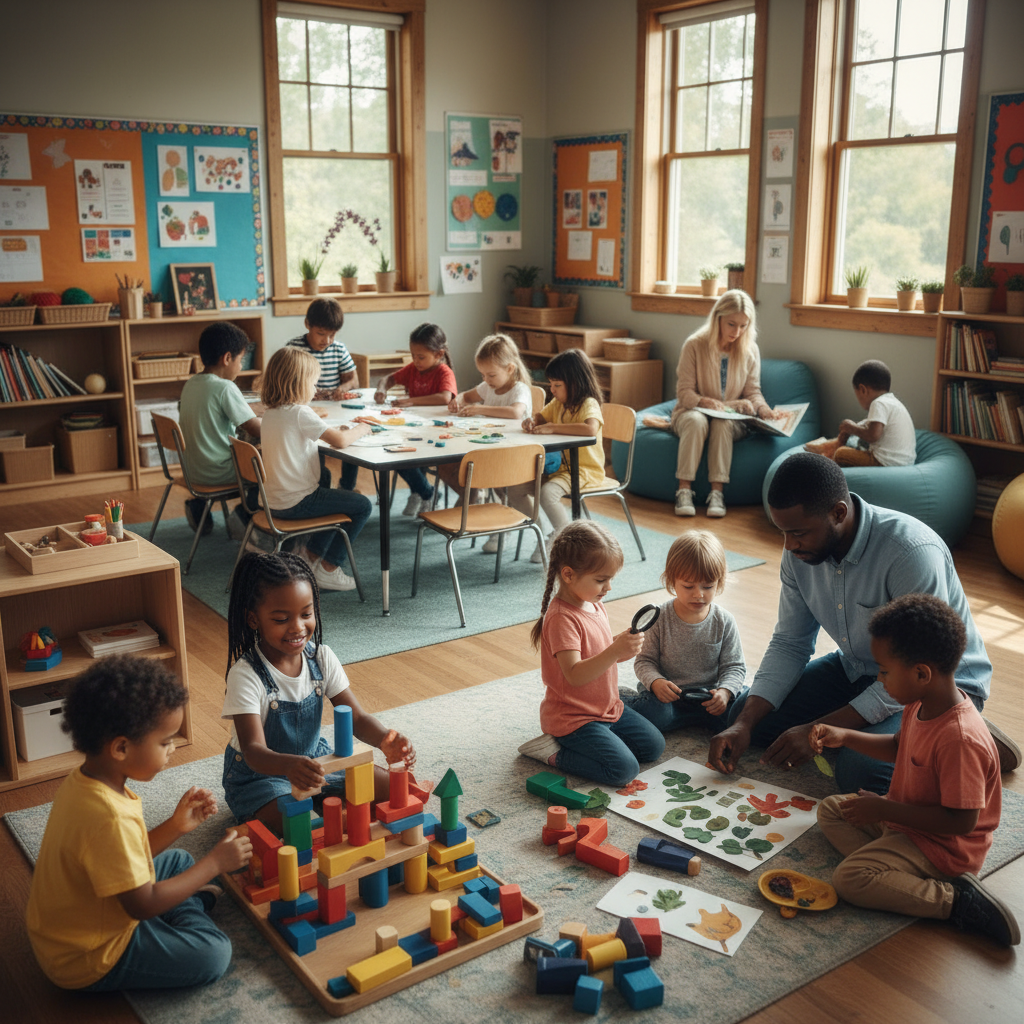
There is a quiet assumption most of us grow up with: education is something a child must fit into. A fixed path. A fixed pace. A fixed timeline. But child development does not work like that.
Children do not grow in straight lines, and they do not all become ready at the same time. So what if, instead of asking which school is best, we asked a better question: what does my child need at each stage of their development?
When you look at education through that lens, a different pathway starts to appear. One that follows the child, not the system.
A Development-Aligned Pathway
This is not about rejecting school or avoiding exams. It is about introducing structure and performance at the right time, so they land on a child who feels ready, confident, and capable.
Ages 4–9: Protect Curiosity
At this stage, the brain is wired for exploration, imagination, play-based learning, and emotional security. This is where learning habits are formed, not measured. And yet this is often where pressure quietly begins through worksheets, testing, and comparison.
But young children do not need pressure to learn. They are naturally wired to do it. What they need is freedom to explore, time to ask questions, room to make mistakes, and environments that feel safe and encouraging.
What you are really building here is confidence, curiosity, and a positive relationship with learning.
Get this right, and everything that follows becomes easier. Rush it, and you often spend years trying to repair what was flattened too soon.
Ages 9–12: Build Foundations Without Pressure
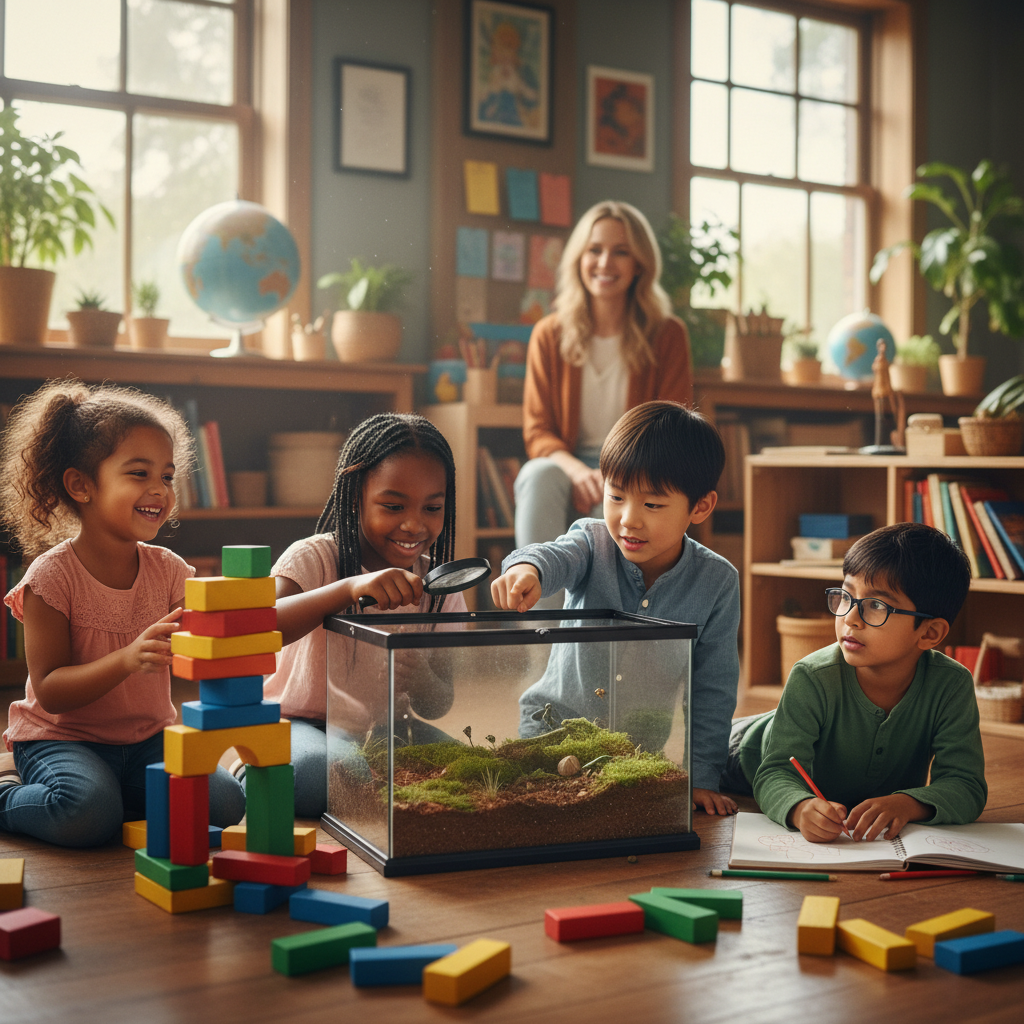
Something shifts in this phase. Children begin to think more logically, connect ideas, and understand cause and effect. This is the perfect time to build literacy, numeracy, problem-solving, and communication.
But many systems confuse foundations with performance. So instead of exploring ideas and applying knowledge, children are pushed toward getting the right answer and preparing for tests. That produces shallow learning.
True foundations are built through understanding, not pressure. This stage should still feel safe, encouraging, and low-pressure, even as a little more structure begins to appear.
Ages 12–14: Introduce Structure Gently
Now children become more capable of handling responsibility, managing time, and understanding expectations. This is where structure can start to make sense. Not heavy pressure. Not high-stakes performance. But deadlines, accountability, and light academic challenge.
Done Well
Builds discipline, resilience, and study habits
Done Too Early
Creates anxiety, avoidance, and loss of motivation
This is a transition phase, not a performance phase.

Ages 14+: Enter Performance When Ready
This is where exams like GCSEs can finally serve their proper purpose. Ideally, by this point, a child has confidence in their ability, some experience handling challenge, a stable sense of self, and a real understanding of how they learn.
That means performance becomes something they can manage and prepare for, not something that defines them.
Exams should test a developed learner, not shape an unready one.
Why This Matters More Than Ever
We are no longer living in a world where success comes mainly from memorising information, following instructions, and performing well inside rigid systems. Today’s world rewards adaptability, critical thinking, creativity, and problem-solving.
Those skills are not built under constant pressure. They are built through time, exploration, and real understanding.
The Big Shift
Most education paths: early pressure → constant measurement → high-stakes exams
Development-aligned path: early freedom → strong foundations → gradual structure → confident performance
Same destination. Completely different experience.
The One Idea That Changes Everything
You do not need to remove exams from a child’s life. You just need to introduce them at the right time.
Final Thought
When education matches development, children do not just perform better. They learn better, think better, and feel better about themselves in the process. Because the goal is not simply to raise a child who can pass exams. It is to raise one who knows how to learn, adapt, and thrive long after the exams are over.
A strong education pathway does not force a child to become ready on time for the system. It respects when they are ready, and builds from there.