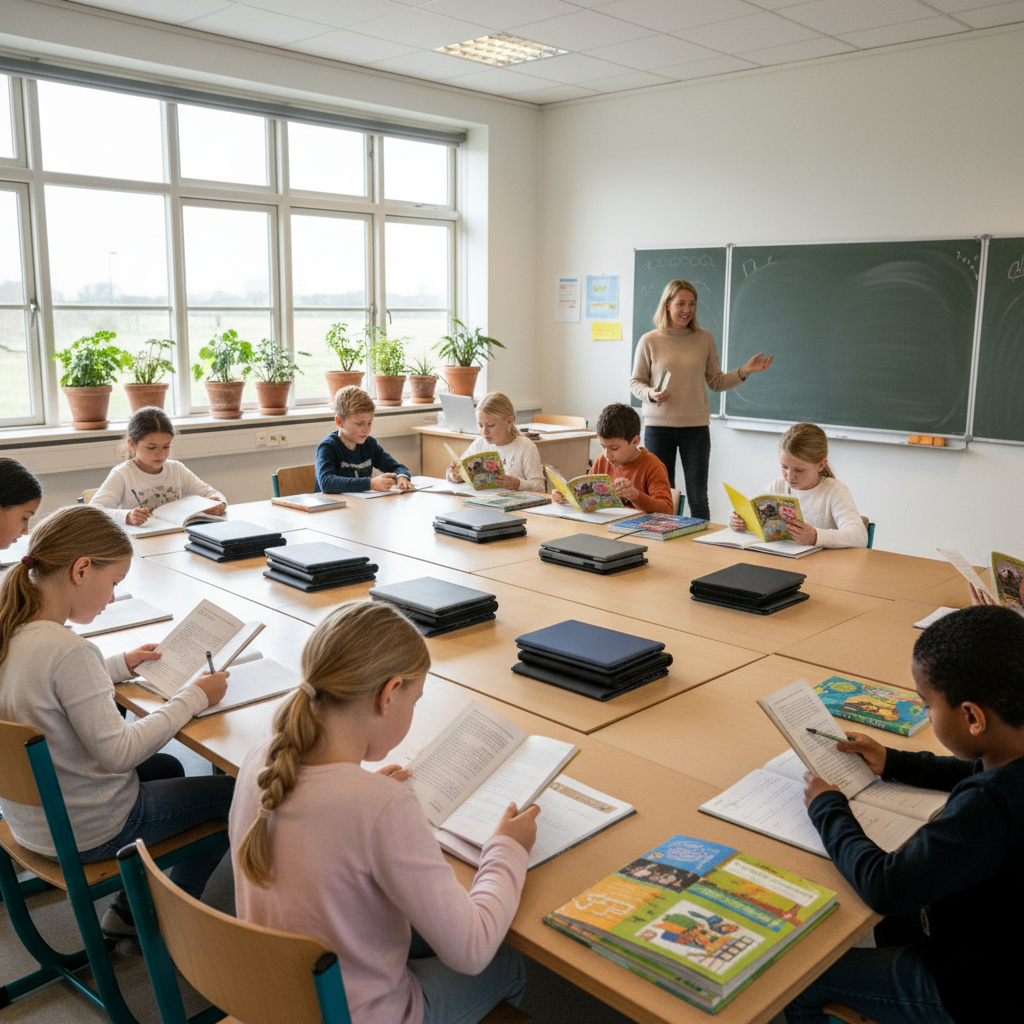

When we talk about Special Educational Needs (SEN), it is often framed as something that applies to a defined group of children.
Those with diagnoses, support plans, or identified learning differences.
But the reality in classrooms is far more nuanced.
Every child has needs. Some are visible and formally recognised. Others sit beneath the surface: quiet, internal, and easy to miss.
If schools want to support all learners well, the conversation has to move beyond labels and toward individual needs.

Moving From "SEN vs Non-SEN" to Individual Needs
A binary view of SEN or not SEN can unintentionally limit how we support children.
In reality, classrooms are full of learners who differ in pace of processing, emotional regulation, confidence, social dynamics, attention, and focus.
- Anxiety about performance
- Fear of making mistakes
- Difficulty keeping up with workload
- Social pressure or isolation
Some children may never receive a formal label, yet still carry these challenges every day. The best schools do not wait for paperwork to begin support. They start with the child in front of them.
The Hidden Challenges of "Coping" Students
Some of the most overlooked children are the ones who appear to be doing well.
High-performing or compliant students can mask stress, avoid asking for help, and push themselves to meet expectations at a significant personal cost.
They may say they are fine because that is what they have learned is expected. Beneath the surface, they may be managing pressure to achieve, fear of disappointing adults, or internalised anxiety.
Without careful attention, these needs often stay hidden until they become more significant.
Understanding the Modern Pressure Landscape
Children today are growing up in a very different environment from the one many parents experienced.
- Greater academic expectations at younger ages
- Constant comparison, both in school and online
- Increased awareness of performance and outcomes
- A faster pace of learning and assessment
- A digital world of smartphones, social media, and unlimited information
For some children, this can feel motivating. For others, it can feel overwhelming. Even resilient children can experience pressure in ways that do not immediately show up in work or behaviour.

Creating a Culture Where It Is Safe to Not Be "Fine"
If we want to support all children, not just those with identified needs, schools have to create environments where it is safe to express difficulty.
- Encouraging questions without judgement
- Normalising mistakes as part of learning
- Making it clear that asking for help is a strength
Children are far more likely to share challenges when they trust they will be met with understanding rather than pressure.
The Role of Teachers: Noticing the Quiet Signals
Supporting individual needs requires more than formal systems. It requires attentiveness.
- Changes in behaviour or engagement
- Subtle signs of withdrawal or fatigue
- Patterns of over-perfectionism or avoidance
These signals often tell us more than test scores. When schools respond early, they can support children before challenges escalate.
Differentiation as a Universal Principle
Differentiation is often associated with SEN, but in reality it benefits every learner.
Access
Offer multiple ways into learning
Pace
Adjust pace and workload where needed
Challenge
Provide extension as well as support
Flexibility
Respond to need rather than category
This flexible approach allows all students to engage meaningfully, wherever they sit on a spectrum of need.
Partnering With Parents
Parents often see aspects of their child that schools may not. Open communication helps schools build a fuller picture, respond earlier to emerging needs, and create a more consistent support system around the child.
Redefining Success
If success is defined narrowly through grades or test performance, many important aspects of development get overlooked.
- Confidence
- Emotional resilience
- Curiosity
- Ability to ask for help
These are not extras. They are essential foundations for long-term success.
What Parents Can Do to Support Their Children
- Create space for open conversation and listen without rushing to fix
- Look beyond "I'm fine" and notice changes in behaviour, energy, or mood
- Prioritise balance at home, including rest, play, and unstructured time
- Normalise struggle so difficulty feels like part of learning, not failure
- Encourage effort and curiosity rather than focusing only on outcomes
- Work with the school early when concerns or patterns emerge
- Model calm, balanced responses to stress, mistakes, and success
Final Thought
Not every child will have a diagnosis, but every child will have moments of struggle.
The most effective schools and families do not wait for labels to act. They create environments where all children are seen, supported, and understood.
Supporting children is not about identifying who needs help. It is about ensuring that every child has the space, safety, and support to thrive.