
As a parent, choosing the right education system for your child can be a daunting task. With numerous options available, it's essential to consider alternative education methods that cater to your child's unique learning style. In this article, we'll delve into three popular alternative education approaches: Montessori, Waldorf, and Reggio Emilia. We'll explore their core principles, benefits, and what sets them apart from traditional education systems.
Introduction to Alternative Education
Alternative education systems focus on child-centered learning, emphasizing individualized instruction, hands-on activities, and collaborative learning environments. These approaches prioritize developing the whole child, including their social, emotional, and cognitive abilities. By browsing schools that offer alternative education programs, you can find the best fit for your child's needs.
When exploring alternative education options, it's crucial to consider your child's learning style, personality, and interests. For instance, if your child is a visual learner, a Montessori school might be an excellent choice. On the other hand, if your child thrives in a creative environment, a Waldorf school could be a better fit. Read reviews from other parents to gain insights into the strengths and weaknesses of each approach.
Montessori Education
Developed by Italian physician Maria Montessori, the Montessori method emphasizes self-directed learning, hands-on activities, and collaborative play. Montessori schools use specially designed materials and activities to promote independence, critical thinking, and problem-solving skills. Key benefits of Montessori education include:
- Encourages independence and self-motivation
- Fosters a sense of community and social responsibility
- Develops critical thinking and problem-solving skills
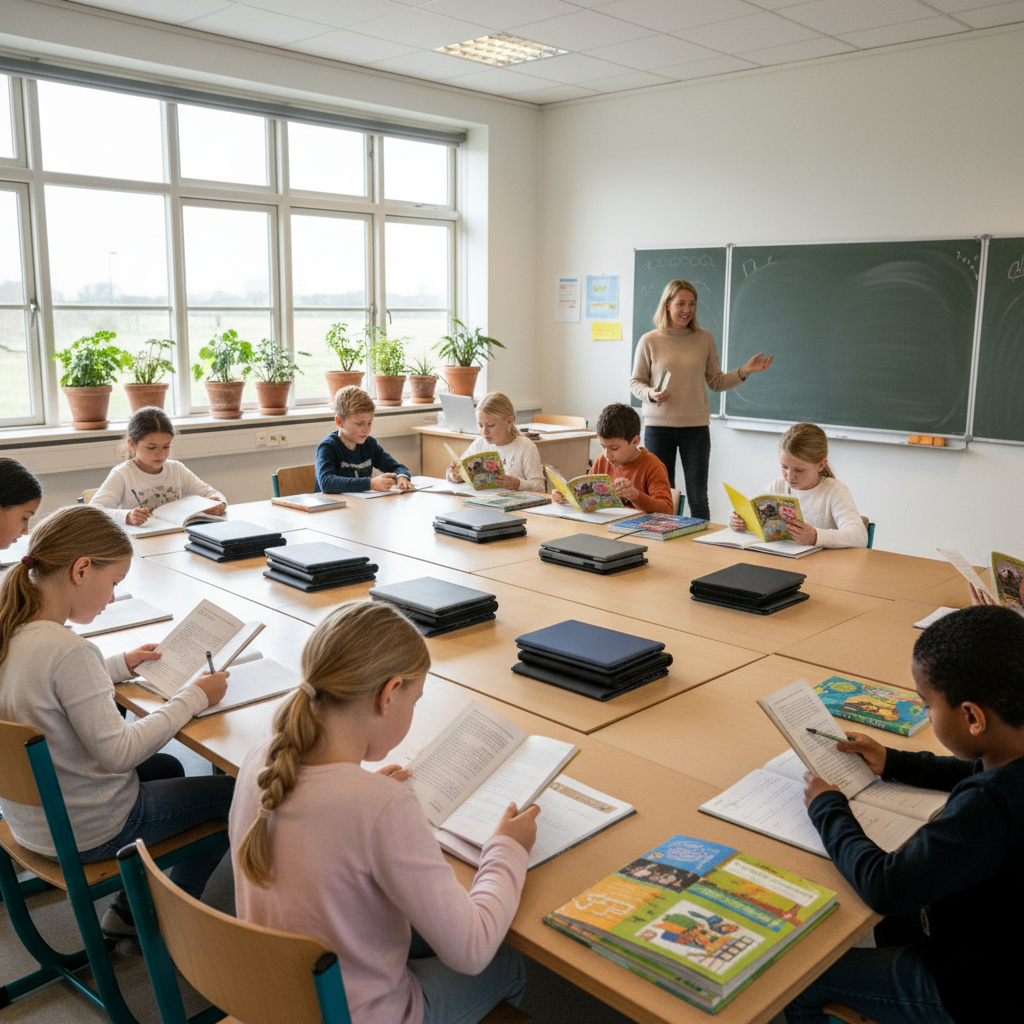
A typical Montessori classroom is designed to promote movement and exploration, with materials and activities tailored to each child's learning style. By observing your child's interests and strengths, Montessori teachers create personalized learning plans to support their development.
Waldorf Education
Waldorf education, also known as Steiner education, focuses on the integration of arts, humanities, and sciences. Developed by Austrian philosopher Rudolf Steiner, this approach emphasizes creative expression, social responsibility, and emotional intelligence. Key benefits of Waldorf education include:
- Cultivates creativity, imagination, and self-expression
- Fosters social responsibility and community engagement
- Develops emotional intelligence and empathy
Waldorf schools often have a strong emphasis on arts and crafts, music, and outdoor activities. This holistic approach to learning encourages children to explore their creative potential, develop social skills, and connect with nature.
Reggio Emilia Approach
Developed in Italy after World War II, the Reggio Emilia approach is a child-led, self-directed learning method that emphasizes curiosity, exploration, and discovery. Reggio Emilia schools create a supportive environment that encourages children to take ownership of their learning, with teachers acting as facilitators or co-learners.
Key benefits of the Reggio Emilia approach include:
- Encourages curiosity, creativity, and critical thinking
- Fosters a sense of community and social responsibility
- Develops problem-solving skills and self-directed learning
Reggio Emilia schools often feature open, flexible learning spaces that promote movement, exploration, and collaboration. By observing and listening to children, teachers create learning environments that respond to their interests and needs.
Choosing the Right Alternative Education Path
When selecting an alternative education system, consider your child's unique needs, personality, and learning style. Research different approaches, explore schools, and talk to educators, parents, and students to gain a deeper understanding of each method.
Remember, every child is unique, and what works for one child may not work for another. By staying open-minded, flexible, and supportive, you can help your child thrive in an alternative education environment. Don't hesitate to reach out to us for personalized guidance and support in finding the best alternative education system for your child.