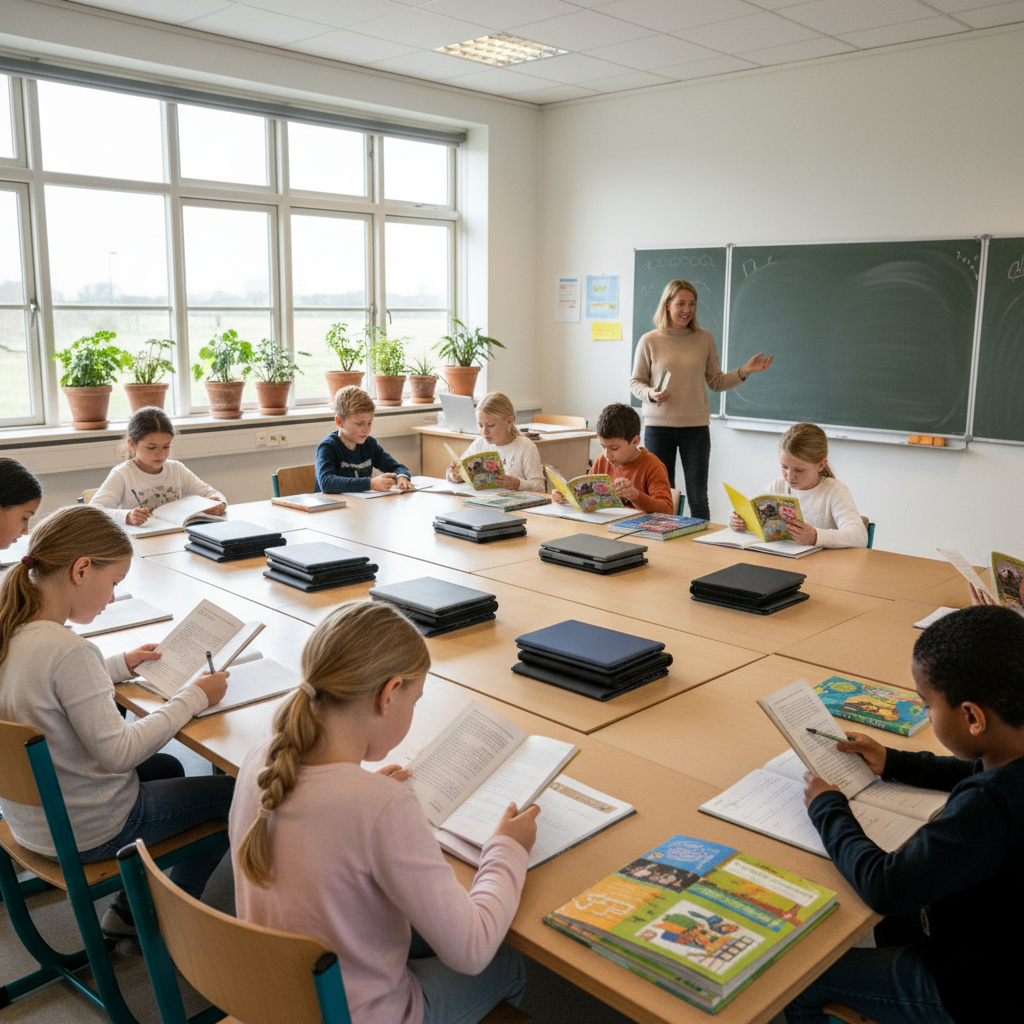
The real question is not whether alternative schools look different. It is whether they prepare children better for the world they are actually growing into.
Forest Schools. Montessori. Waldorf. Creator Schools. For some parents, they feel progressive, exciting, and future-focused. For others, they feel risky, too soft, or not academically rigorous enough.
But many traditional schools are still producing high achievers who struggle when the structure disappears. That is what makes this comparison more important than it first appears.
Alternative schools often shift the focus away from compliance and toward independence, creativity, self-regulation, and real-world capability.
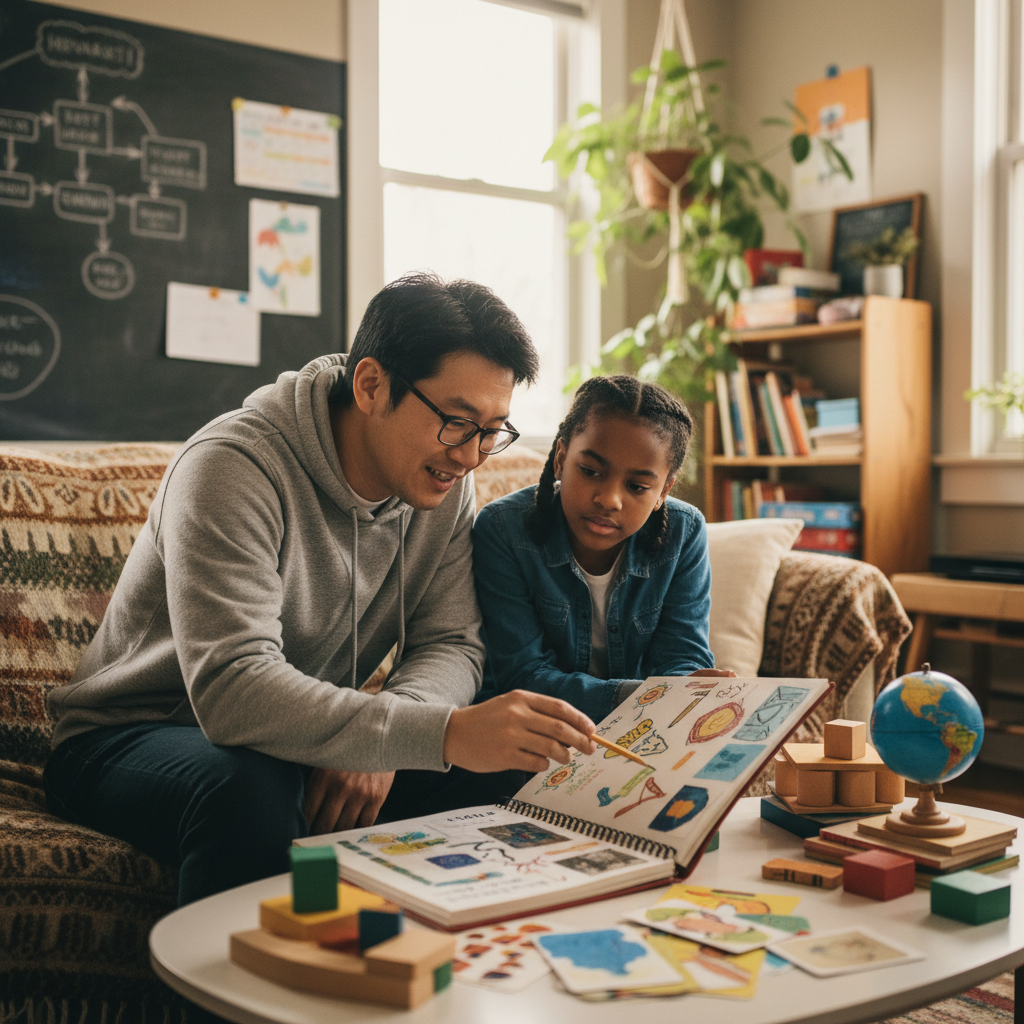
What Alternative Education Does Differently
At their core, most alternative models make a different trade-off from traditional schooling.
Traditional Focus
- Content
- Testing
- Compliance
Alternative Focus
- Independence
- Creativity
- Self-regulation
- Real-world skills
That shift matters more than most people realise, because it changes not just what children learn, but how they experience learning itself.
What the Research Suggests
One of the reasons alternative education keeps attracting attention is that some of the evidence is stronger than parents expect.
Montessori
Some studies suggest students can be up to a year ahead academically by age 12.
Often linked with stronger executive function, self-control, and wellbeing.
Waldorf
Often shows comparable academic outcomes with stronger creativity and social awareness.
Some PISA-related discussions suggest similar reading, stronger science, and slightly lower maths.
Forest School
Often associated with stronger confidence, independence, and healthy risk management.
Particularly powerful for children who do not thrive in traditional classrooms.
Big Picture
Across alternative models, research often points to equal or better academic outcomes overall.
The strongest gains tend to appear in creativity, executive function, and engagement.
The surprising conclusion is that alternative schools are not necessarily weaker academically. In some cases, they appear stronger in the long-term skills that matter most beyond school.
How They Compare With Traditional Academic Schools
That is the real translation. Traditional schools often optimise for performance. Alternative schools more often optimise for capability.
What This Means in the Real World
Employers keep asking for the same qualities: problem-solvers, communicators, and adaptable thinkers.
Alternative systems often spend more time building executive function, self-regulation, and creativity. Those are not soft extras. They are closely linked to leadership, entrepreneurship, and long-term success.
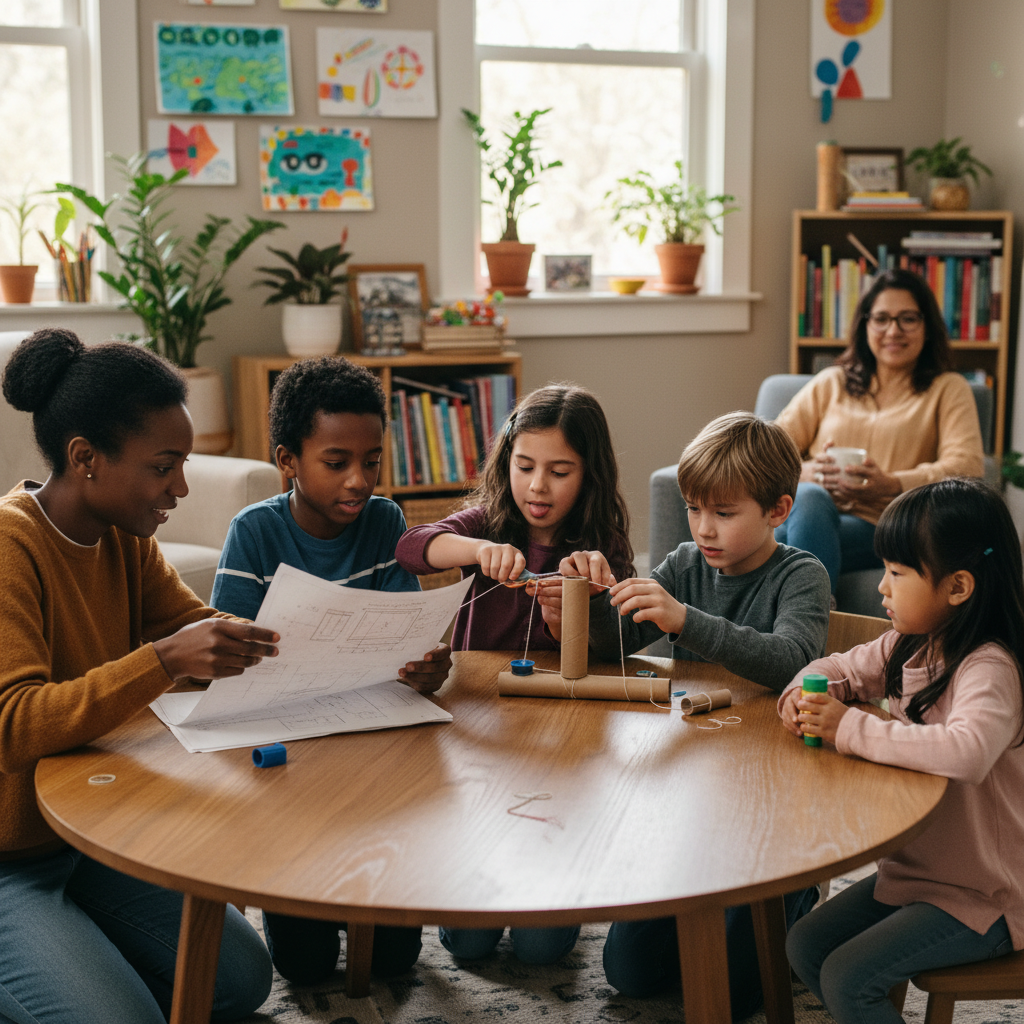
The Hidden Risk of Traditional-Only Education
Children who perform well inside highly structured environments can still struggle with ambiguity, failure, and independence once that structure falls away.
In simple terms, some children become very good at following systems without becoming equally strong at creating their own.
What Each Alternative Model Does Best
Montessori
- Self-directed learning
- Strong independence
- Early academic confidence
Waldorf
- Creativity and imagination
- Emotional development
- Deep teacher relationships
Forest School
- Confidence and resilience
- Healthy risk-taking
- Connection to the environment
Creator Schools
- Entrepreneurship
- Real-world problem solving
- Digital and future skills
But It Is Not Perfect
Alternative education is not automatically better for every child.
- Some models apply less structured academic pressure
- Some can feel too loose for certain learners
- Transitioning back into traditional exam systems can be harder
So the better question is not whether alternative education is better in the abstract. It is whether it is better for your child, your goals, and the kind of future you are preparing for.
Successful People From Alternative Backgrounds
Many high-profile founders and entrepreneurs came through non-traditional or alternative-style environments, including Montessori influences and more self-directed forms of learning.
- Larry Page and Sergey Brin were both shaped by Montessori education
- Jeff Bezos has also spoken positively about his Montessori background
- Mark Zuckerberg was influenced by more self-directed learning environments
- Richard Branson struggled in traditional school and thrived outside it
The obvious pattern is not just achievement. It is independent thinking.
What Traditional Schools Can Learn
This is where the conversation becomes useful. Traditional schools do not need to copy alternative education wholesale to learn from it.
- More movement from Forest School
- More independence from Montessori
- More creativity from Waldorf
- More real-world learning from Creator schools
Those shifts do not have to come at the expense of academic strength.
Final Thought
For decades, schools have focused on improving results. But perhaps the deeper question is what kind of human we are trying to develop.
The future is unlikely to reward the most compliant or the best test-takers alone. It will reward people who can think, adapt, and create.
A useful question for parents is this: is my child being prepared to succeed in a system, or to succeed beyond it?