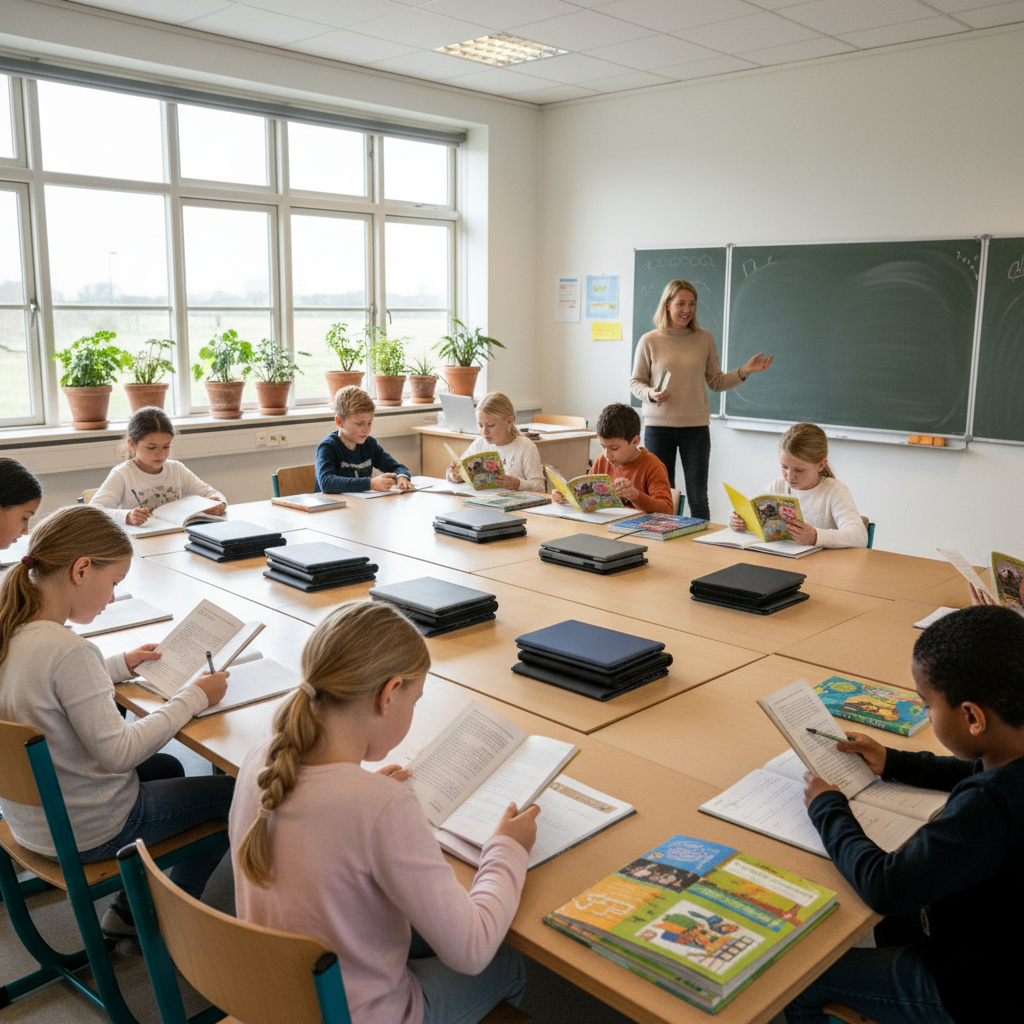
Children are being asked to learn in bodies and brains that are often not ready to learn.
Schools are trying to improve results, manage behaviour, and support wellbeing all at the same time. But many are still missing something fundamental: regulation sits underneath all of it.
No amount of sanctions, tighter behaviour policies, or extra worksheets will solve the problem if children are dysregulated before learning even begins.
Schools do not need a full-time occupational therapist or expensive programmes to make progress. They need simple, consistent changes to the daily experience of children.
The Uncomfortable Truth
Schools are seeing more fidgeting, emotional outbursts, low focus, and low resilience. The instinctive response is often to tighten control, increase expectations, and reduce flexibility.
But many children do not need more discipline first. They need better regulation support.
1. Build Movement Into the Day as Non-Negotiable
Children should not be sitting all day and then routinely kept inside at break. That is not neutral. It often makes dysregulation worse.
Current Problem
Children lose outdoor time for unfinished work, behaviour, or routine convenience.
What To Change
Protect outdoor breaks and add short classroom movement breaks every 30 to 45 minutes.
Movement is not a reward. It is regulation. Outdoor break time should be protected except in truly exceptional cases. Standing, stretching, and short reset breaks should be normal parts of classroom life.
2. Stop Fuelling Dysregulation
Food matters more than many schools are willing to admit. High-sugar snacks and ultra-processed foods often create quick energy followed by a predictable crash in attention, mood, and behaviour.
This is not about controlling families. It is about giving children a fair chance to function well during the school day.
- Reduce routine high-sugar snacks
- Encourage protein-based options where possible
- Explain the link between food, energy, and focus
- Involve parents through simple education rather than shame

3. Teach Regulation Explicitly
Schools teach maths and literacy directly. Regulation should be treated the same way.
- Simple breathing routines
- Quick daily check-ins about how children feel
- Normalising pause and reset strategies
If schools do not teach regulation, they cannot reasonably expect children to arrive with it fully formed.
4. Reduce Overload and Increase Clarity
Dysregulation often comes from too much, too fast, and too unclear.
- Break tasks into smaller steps
- Give one instruction at a time
- Provide clear start and end points
What adults call bad behaviour is often overwhelm in disguise.
5. Change Adult Responses
Instead of asking why are you not listening? staff need to ask what does this child need to be ready?
Notice
Early signs of dysregulation
Respond
Calmly rather than reactively
Prioritise
Connection before correction
Regulation is contagious. It often moves from adult to child.
6. Make the Classroom Work for the Child
Schools do not need expensive equipment to create calmer learning environments.
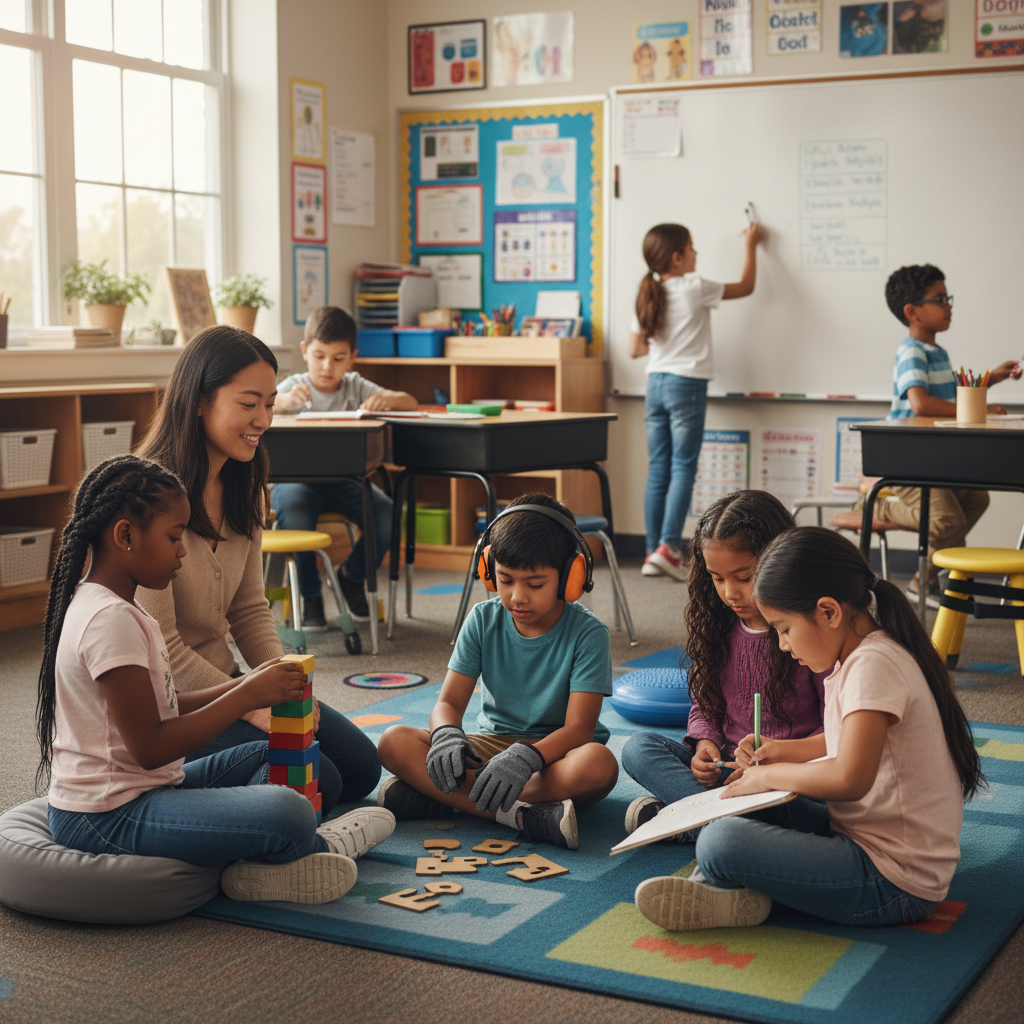
- Flexible seating options
- Quiet corners or reset spaces
- Reduced visual clutter
The environment should support focus rather than constantly compete with it.
7. Rethink Behaviour Systems
If behaviour systems rely mostly on punishment, removal, and control, they may be managing symptoms without solving causes.
A more useful direction is understanding triggers, teaching replacement behaviours, and supporting regulation before escalation.
If schools do not change this, they should expect rising behaviour issues, increased anxiety, teacher burnout, and more disengaged learners.
What Happens When Schools Get This Right
When schools embed these principles well, classrooms feel calmer, children recover faster, learning improves, and teachers spend less time managing behaviour.
The benefit is not limited to children with identified needs. It improves the learning environment for everyone.
A Simple Starting Checklist for Schools
- Protect outdoor breaks and avoid routine removal
- Add 2 to 3 movement breaks daily
- Review snack and food policies
- Train staff in basic regulation strategies
- Reduce task overload
- Create calm classroom spaces
Final Thought
Schools do not need to wait for diagnoses or outside specialists before improving the daily conditions children learn in.
A useful question for leaders is this: are we asking children to behave better without giving them the conditions to do so?