AI and Distance Learning
The Impact of AI on Distance Learning
AI did not just improve distance learning. It changed the rules completely, and schools are only just starting to catch up.
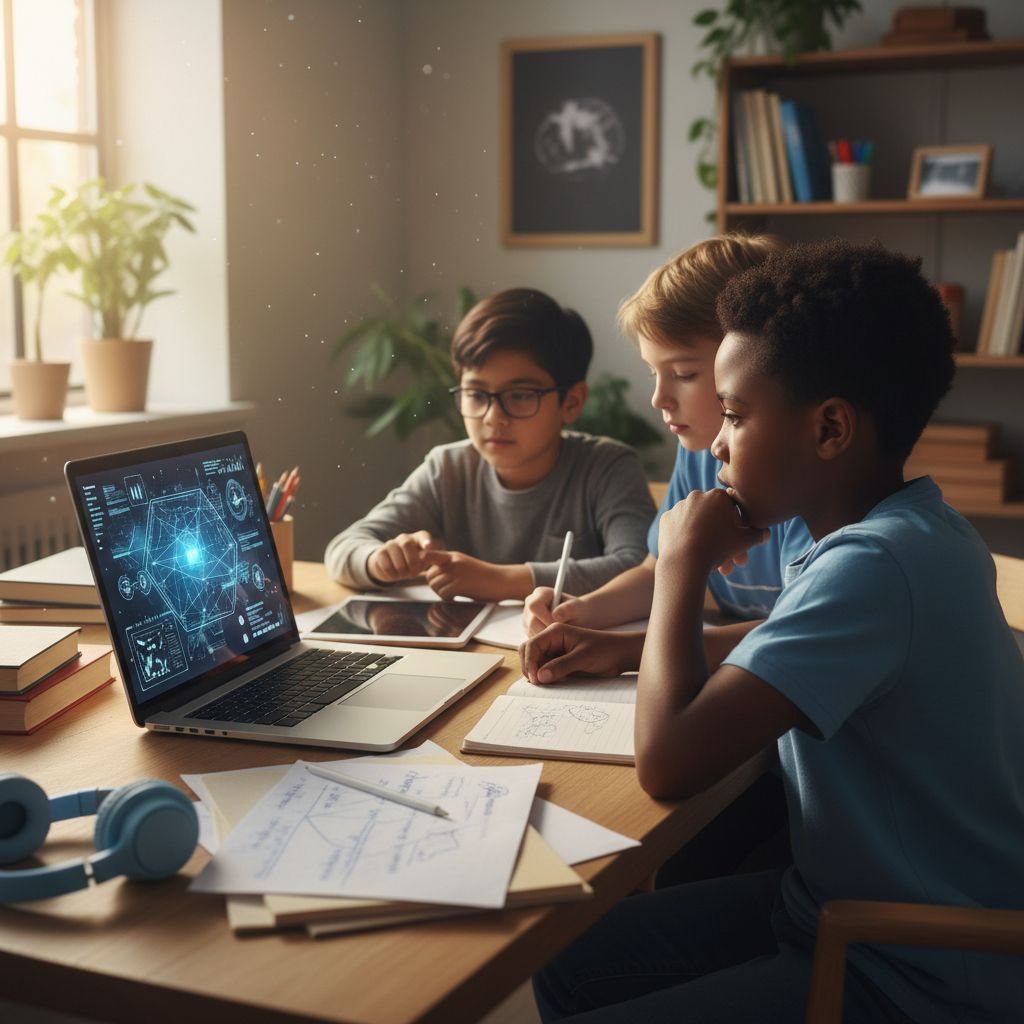
Distance learning was already reshaping education. AI did not simply optimise it. It fundamentally altered what learning at a distance can be.
What used to be a slower, sometimes isolating experience is now becoming something far more powerful, and in some ways far more complicated.
1. Learning Speed Has Exploded
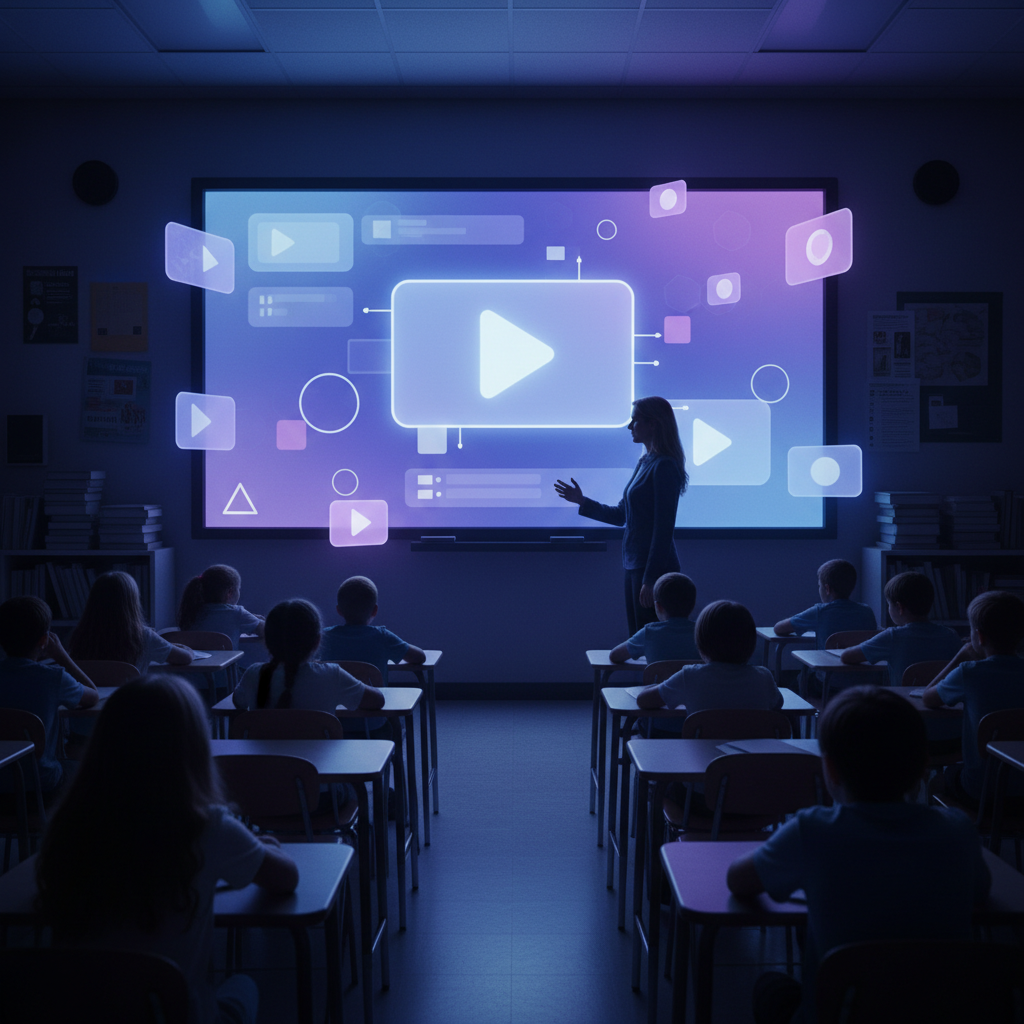
AI can now adapt lessons in real time. Instead of waiting days or weeks for feedback, students can get instant corrections, personalised explanations, and unlimited practice based on the exact mistakes they are making.
A student can now learn in hours what once took days, because there is no waiting, no bottleneck, and no whole-class pace.
The catch is that faster learning does not always mean deeper understanding. Speed can mask shallow thinking if the process is not visible.
2. Every Student Can Have a Private Tutor
AI tools can act like tutors available at any time, explaining concepts in different ways, answering endless questions without frustration, and breaking down difficult ideas on demand.
This is powerful, but it also changes where authority sits. Understanding can start shifting from teacher-led to algorithm-guided if schools are not intentional.
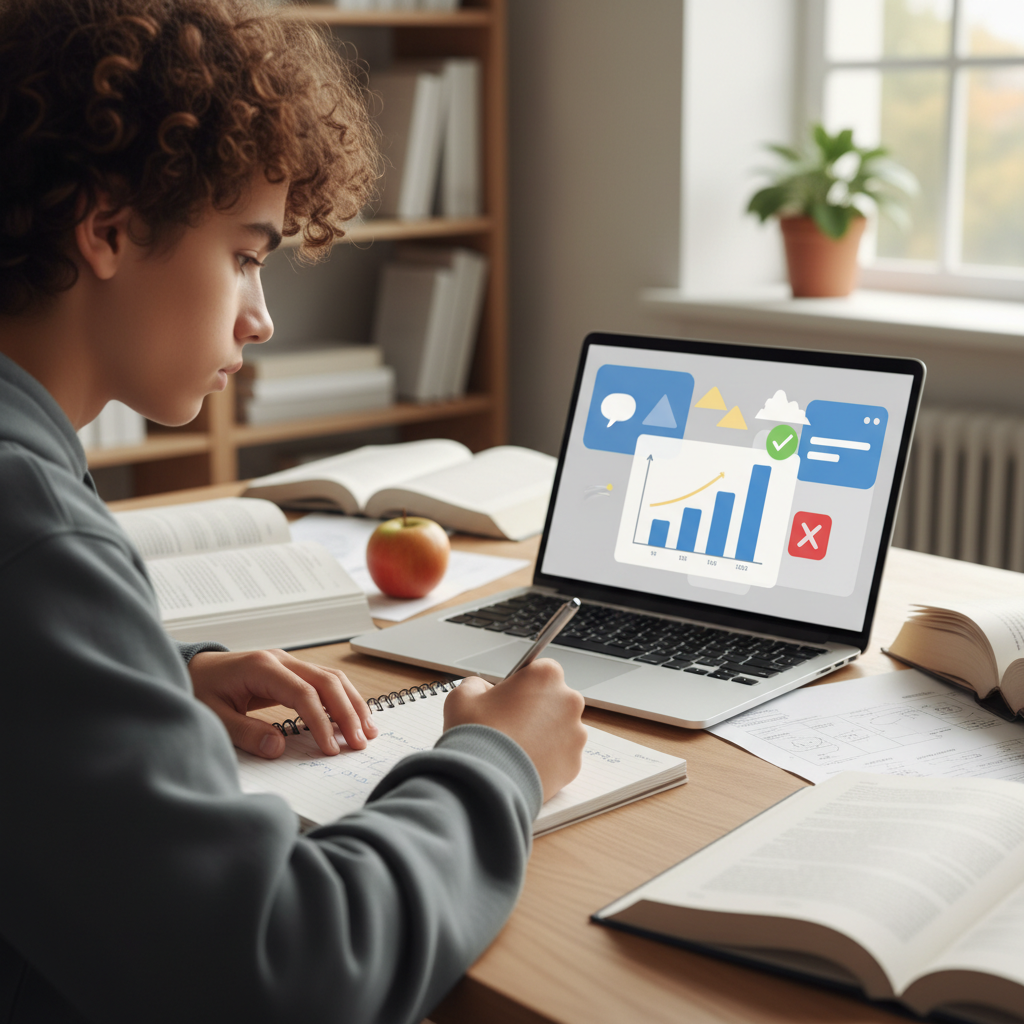
3. Cheating Has Become Smarter and Harder to Detect
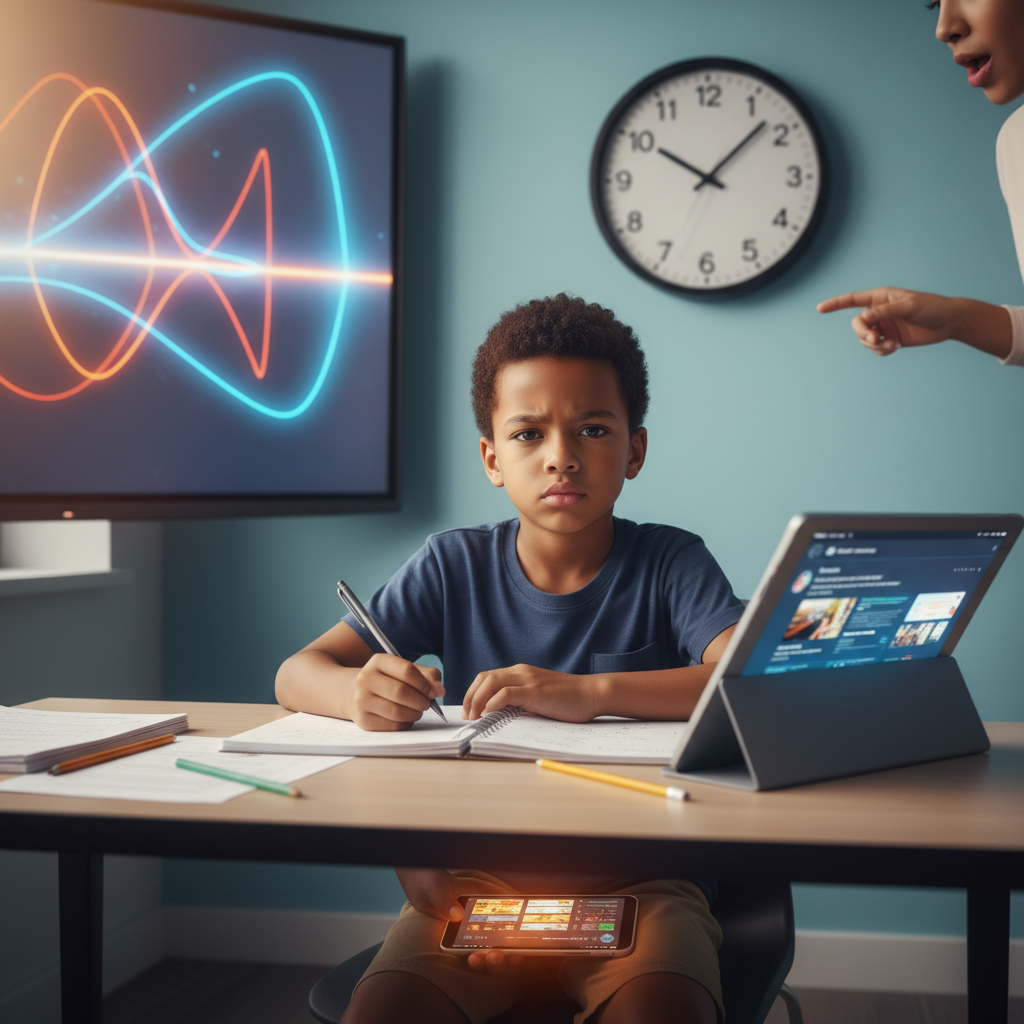
Students can now generate essays in seconds, solve complex problems instantly, and submit polished answers they do not fully understand. The issue is no longer whether students use AI. It is how much they use it and what that means for learning.
This forces a shift from testing knowledge to testing thinking, and from judging answers to making the process visible.
4. Critical Thinking Is at Risk
When answers are always available, thinking can become optional. Students may rely on AI instead of working through problems, skip the learning process entirely, or slowly lose confidence in their own ability to figure things out.
The biggest risk is not just cheating. It is intellectual dependence.
5. Education Is Becoming Radically More Accessible
AI is breaking down barriers through real-time translation, support for different learning needs, and personalised help regardless of location. A child with an internet connection can access a level of support that once depended heavily on geography and resources.
6. The Role of Teachers Is Changing Fast
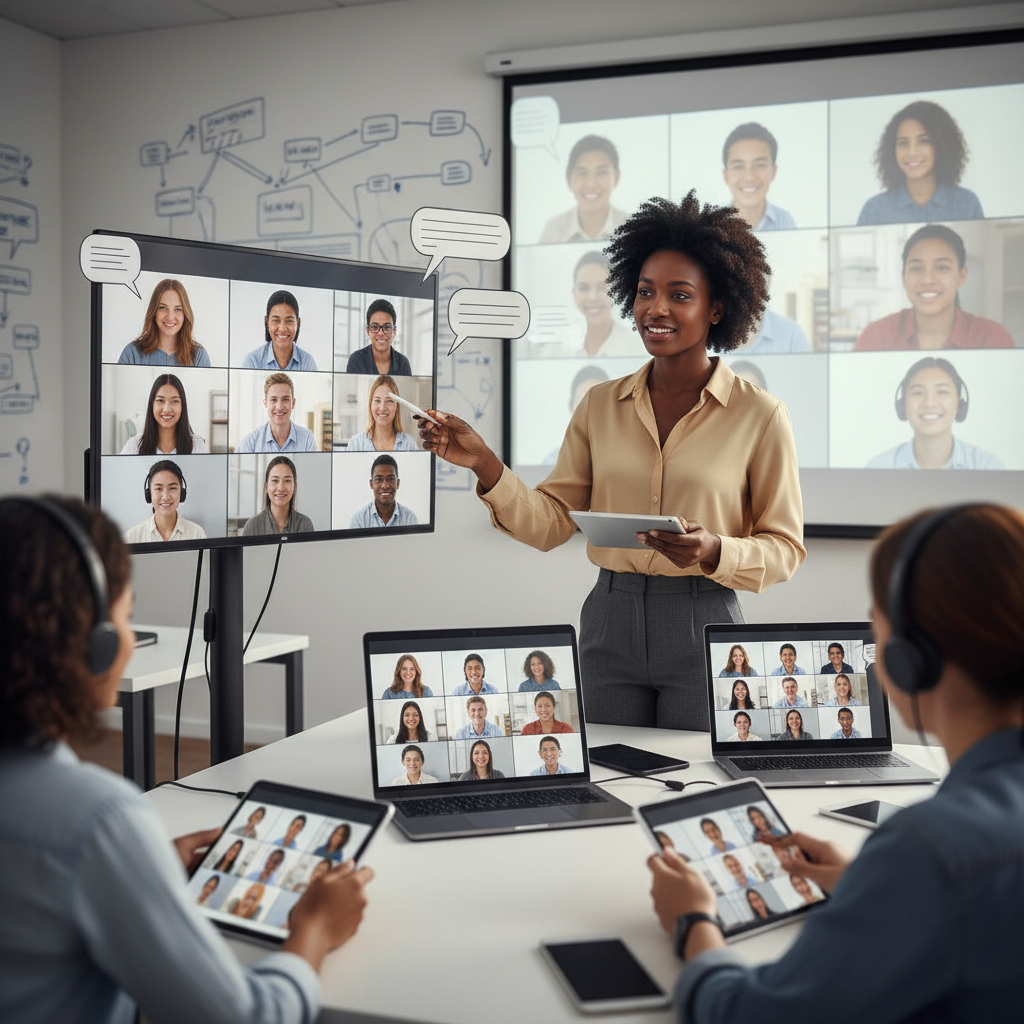
Teachers are no longer only information providers. AI can take over repetitive explanations, some grading, and standardised instruction. The teacher role shifts toward coach, mentor, and guide for critical thinking.
7. Learning Is Becoming Hyper-Personalised
No two students need to learn in the same way anymore. AI can adjust difficulty, style, pace, and repetition in ways that make the old idea of a standard classroom look increasingly outdated.
The Double-Edged Reality
The upside
Faster learning, personalisation, and wider access.
The risk
Over-reliance on AI, reduced critical thinking, and blurred lines between learning and shortcutting.
Final Thought
AI is not just improving distance learning. It is redefining what it means to learn. The real question is not whether AI is good or bad for education. It is whether we are teaching children how to use AI, or letting AI think for them.
The difference between those two paths will shape an entire generation.