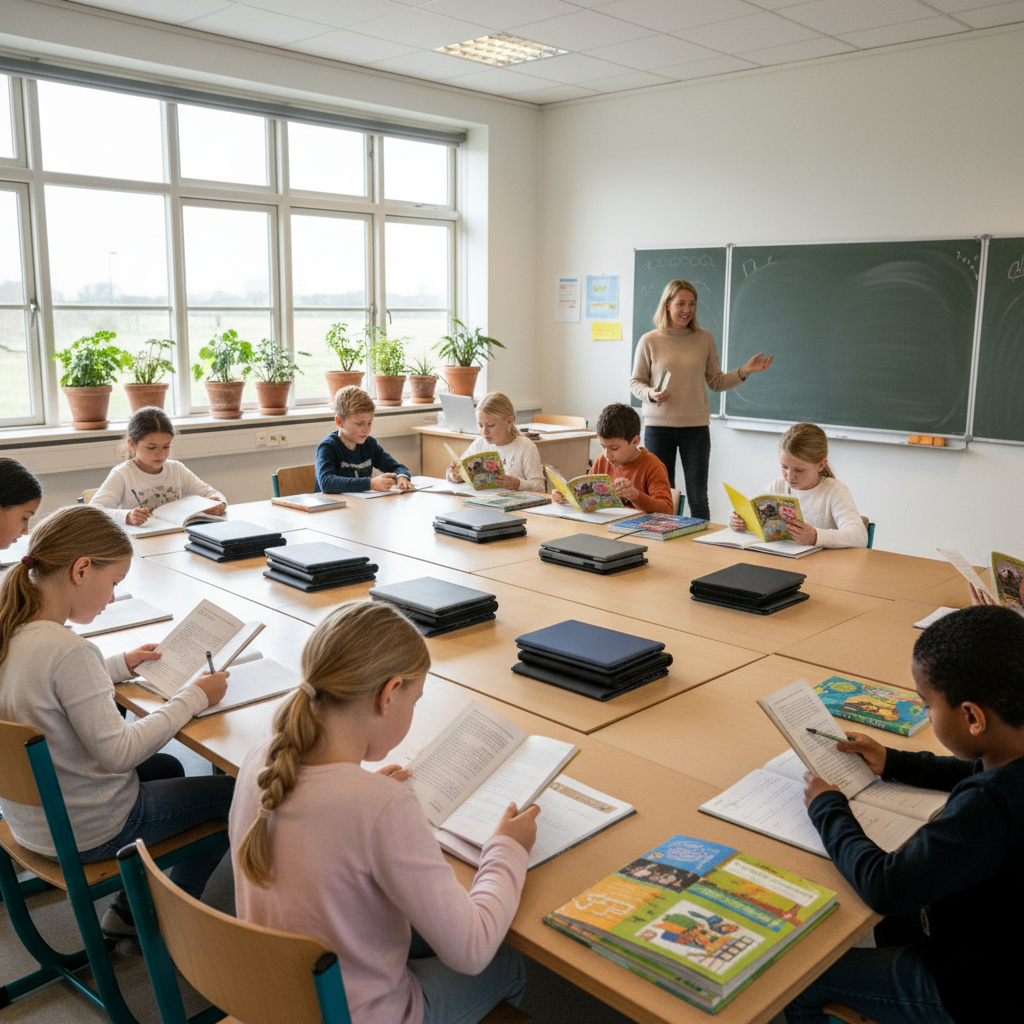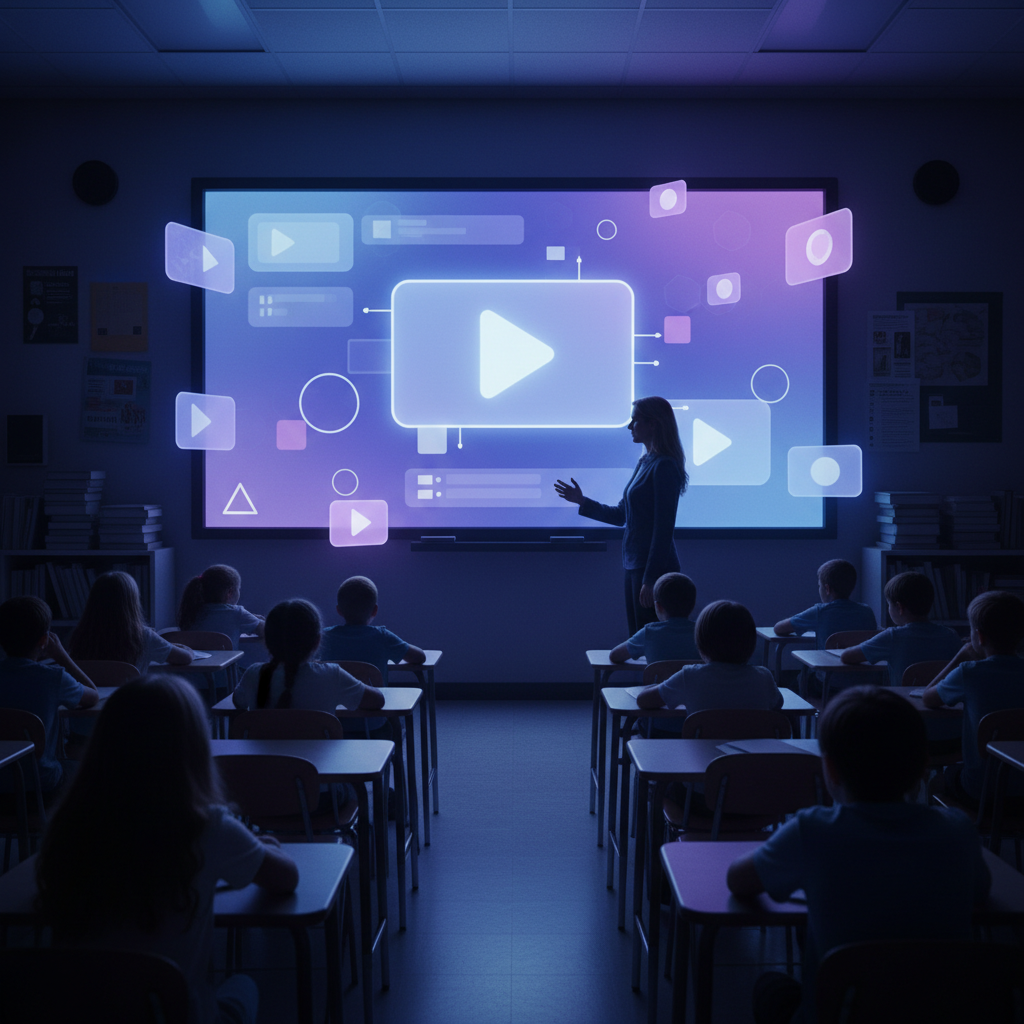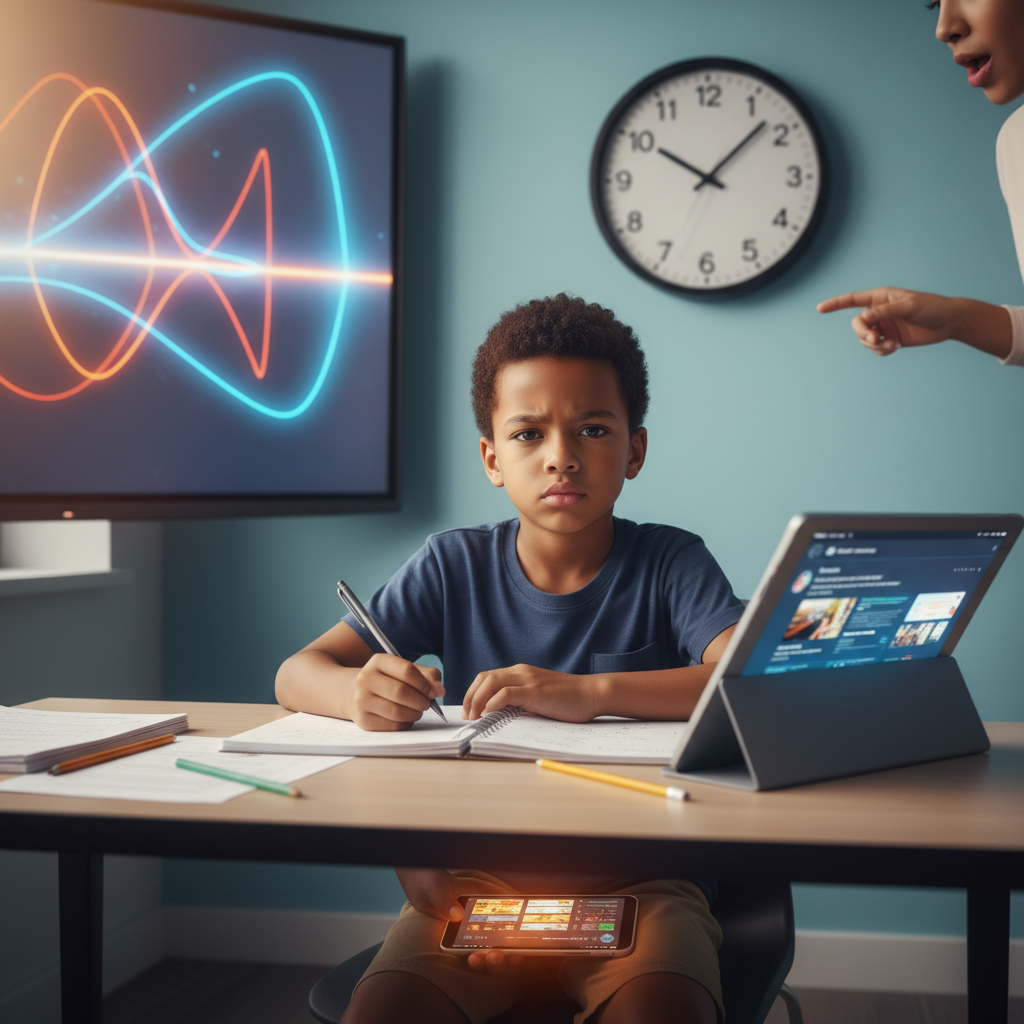
Education Models
Progressive vs Traditional Schools
Two models. Two futures. One big decision about what kind of human being a school is trying to develop.
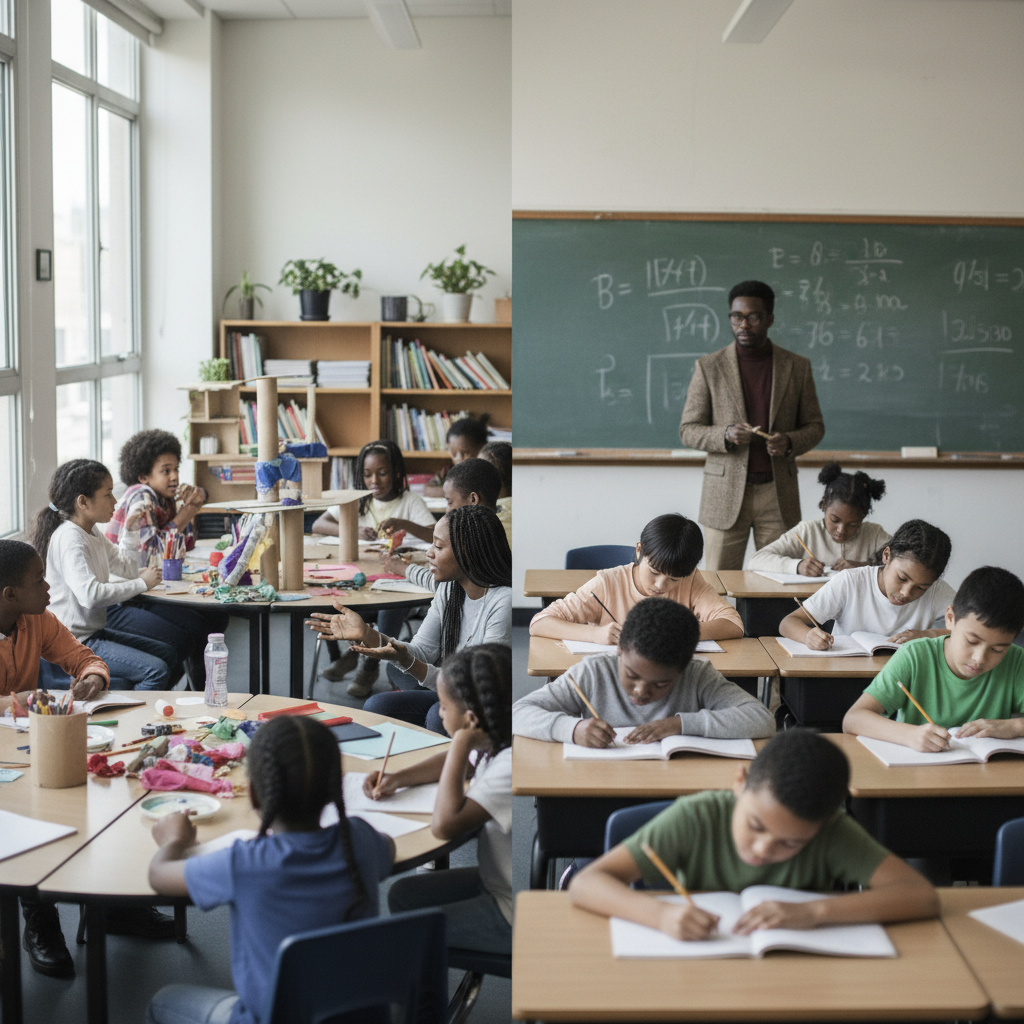
Most schools do not realise they are making a choice, not just about curriculum or teaching style, but about the future they are preparing children for.
Beneath every school model is a belief about learning, success, and the future. Right now, two very different models are emerging.
The Core Difference
Traditional Model
Teach content, test knowledge, rank performance.
Progressive Model
Develop capability, apply learning, build real-world readiness.
Both aim for success. But they define success very differently.
The Side-by-Side Reality
1. Purpose of Education
Traditional schools often prioritise strong academic outcomes, exam performance, and university pathways. Success is grades. Progressive schools prioritise real-world readiness, adaptability, and human skills. Success is capability.
2. What Students Learn
Traditional models focus on subject knowledge, structured curriculum, and fixed content. The question is: what do you know? Progressive models focus on problem-solving, thinking skills, and real-world application. The question is: what can you do with what you know?
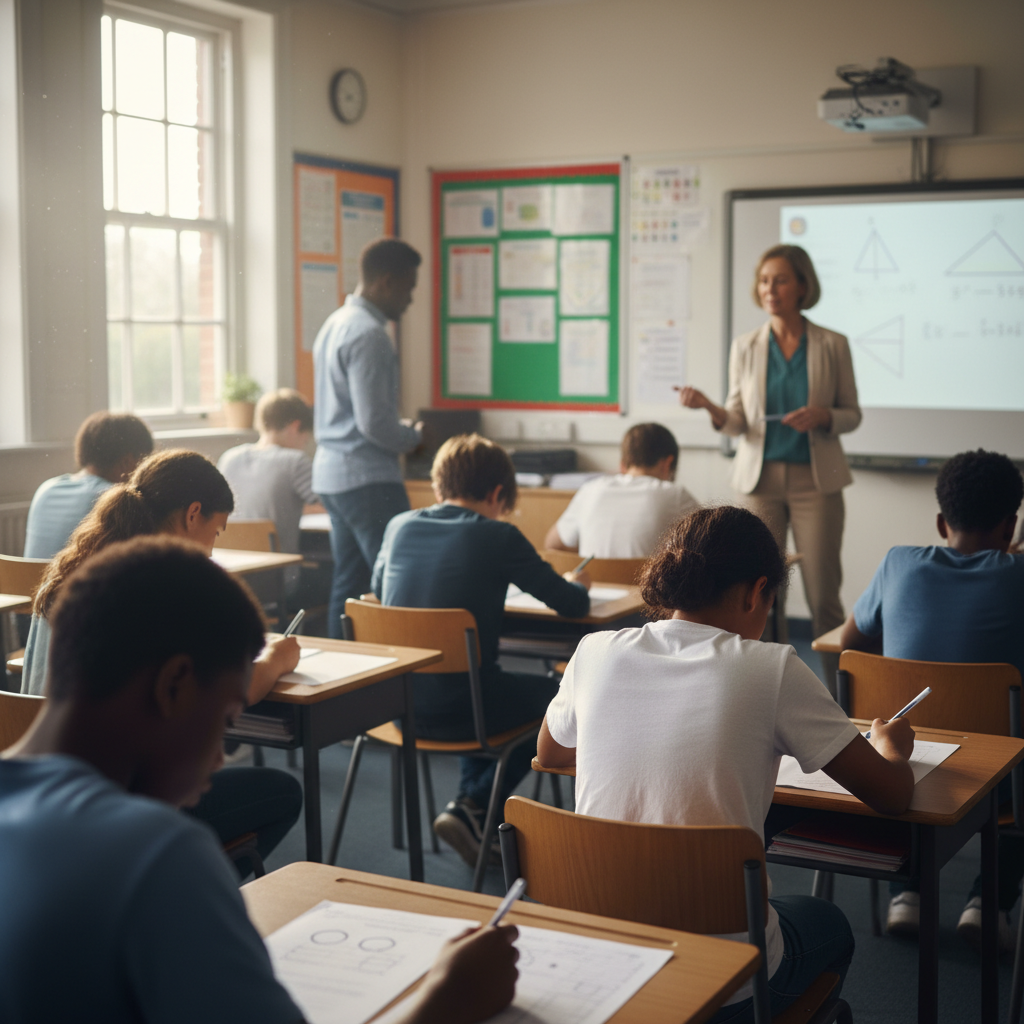
3. Role of the Student
In traditional models, students follow instructions, complete tasks, and meet expectations. They are often compliant learners. In progressive models, students explore, question, and take initiative. They become active participants.
4. Role of the Teacher
Traditional teachers are often positioned as content deliverers, classroom managers, and assessors of performance. Progressive teachers are more often guides, coaches, and facilitators who adapt in real time.
5. Assessment
Traditional assessment relies heavily on exams, tests, and final outcomes. It measures what was remembered. Progressive assessment uses projects, discussions, iteration, and real-world tasks. It measures understanding and application.
6. Approach to Failure
Traditional systems can encourage students to avoid mistakes and aim for correctness. Progressive systems are more likely to normalise failure, encourage iteration, and reward effort. One says: do not get it wrong. The other says: try again and improve.
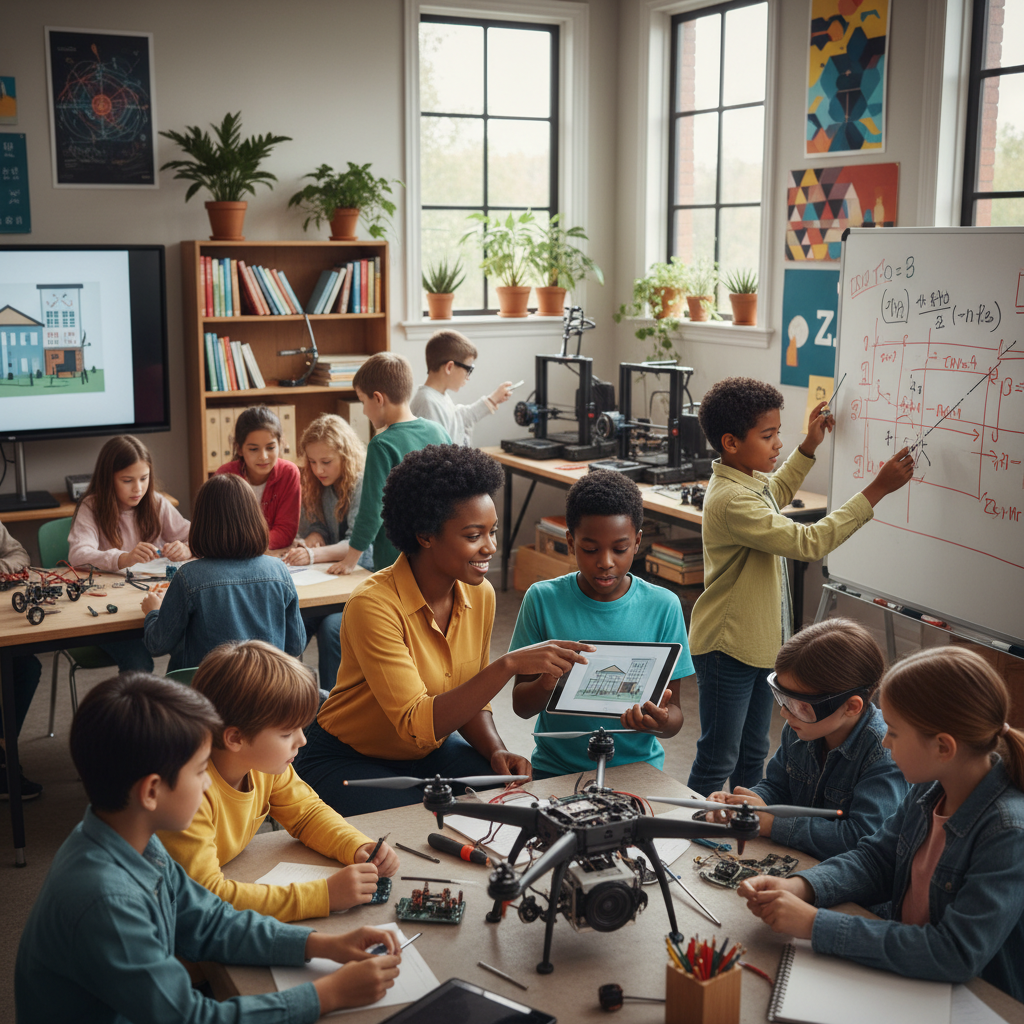
7. Response to AI
Traditional models often respond to AI through restriction, control, and concerns about cheating. Progressive models are more likely to integrate AI, teach critical use, and redesign tasks around thinking rather than output.
8. Human Skills
Traditional schools often assume communication, resilience, and collaboration will develop naturally. Progressive schools are more likely to teach these skills explicitly.
9. Pace of Learning
Traditional models tend to move at one pace for all, which can leave some students bored and others lost. Progressive models allow more flexible pathways so students can move when they are ready.
10. Wellbeing
In many traditional models, wellbeing is secondary and addressed when issues arise. In progressive models, wellbeing is more often foundational, with the understanding that students cannot learn well if they do not feel well.
The Truth
Traditional schools produce
High-performing students, but sometimes risk-averse learners who are dependent on structure.
Progressive schools produce
Adaptable thinkers, but sometimes with outcomes that are less standardised and harder to measure.
Neither model is perfect. But one is more naturally aligned with a future that rewards thinking, adaptability, and human capability.
The Real Risk
Many schools are trying to keep traditional structures while adding progressive ideas. That creates confusion, inconsistency, and overload. You cannot simply bolt a future model onto a past system and expect it to work.
What Parents and Schools Need to Ask
- For schools: are we preparing students for exams, or for life?
- For parents: will my child thrive in structure, or need adaptability?
- For both: what balance does this child and this school actually need?
Final Thought
This is not about choosing traditional or progressive in a simplistic way. It is about understanding what each model develops, what each model risks, and what balance is needed for the future children are entering.
One question to leave with: if the world keeps changing this fast, which model will hold up?