When it comes to choosing the right school for your child, one of the most significant decisions you'll make is between private and state schools. Both options have their advantages and disadvantages, and the right choice for your family will depend on a variety of factors, including your budget, your child's needs, and your personal values. In this article, we'll explore the cost-benefit analysis of private vs state schools, to help you make an informed decision.
Introduction to Private Schools
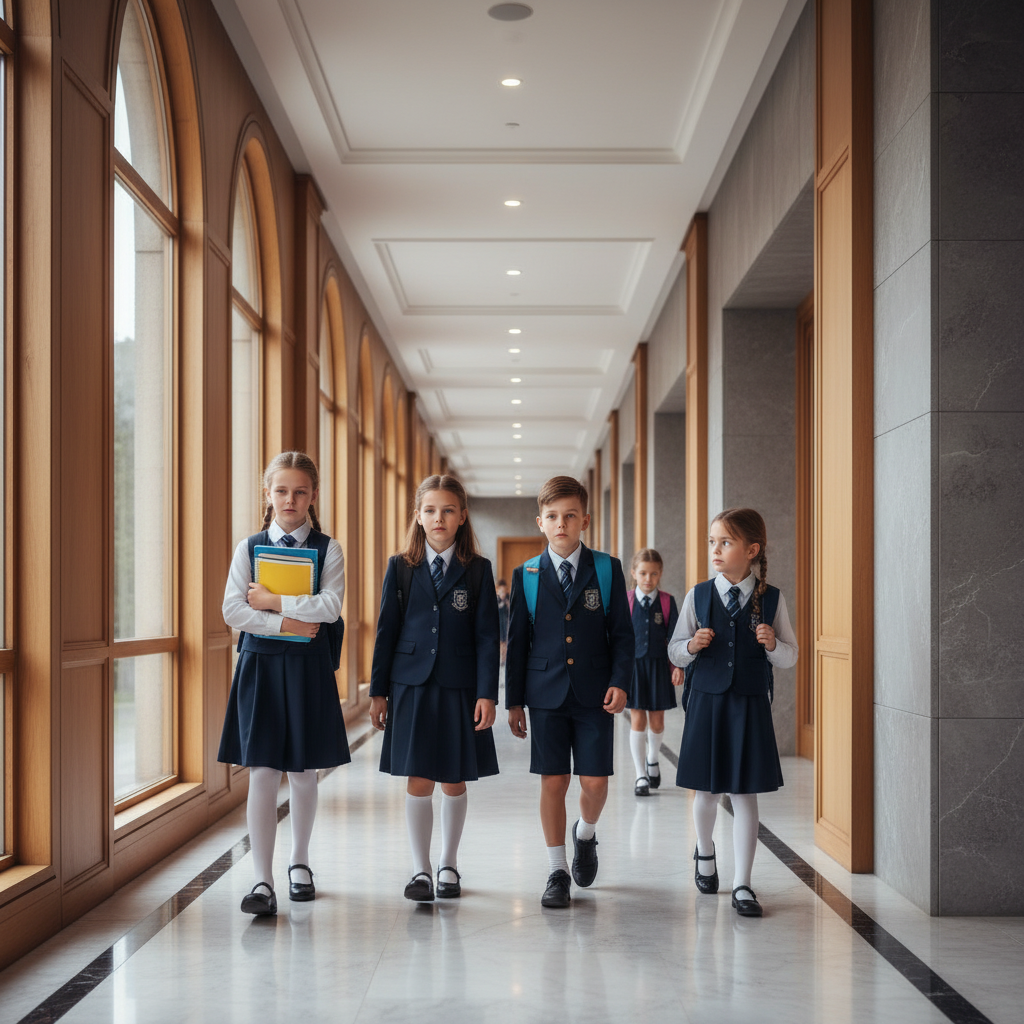
Private schools are institutions that are funded by tuition fees and private donations, rather than by the government. They often have smaller class sizes, more experienced teachers, and better facilities than state schools. Private schools can offer a more personalized education, with a focus on individual students' needs and interests. However, they can also be very expensive, with tuition fees ranging from a few thousand to tens of thousands of dollars per year.
Some examples of private schools include independent schools, boarding schools, and international schools. These schools often have a strong focus on academic achievement, and may offer a range of extracurricular activities and sports teams. To browse schools and find the right one for your child, you can search online or visit schools in person.
Introduction to State Schools
State schools, on the other hand, are institutions that are funded by the government and are free to attend. They are often larger than private schools, with more students and a wider range of courses and activities. State schools can provide a more diverse and inclusive education, with students from a variety of backgrounds and cultures. However, they may also have larger class sizes and fewer resources than private schools.
Some examples of state schools include public schools, comprehensive schools, and academies. These schools often have a strong focus on community and social responsibility, and may offer a range of programs and services to support students' emotional and social development. You can read reviews of state schools online to get a sense of their strengths and weaknesses.
Cost-Benefit Analysis
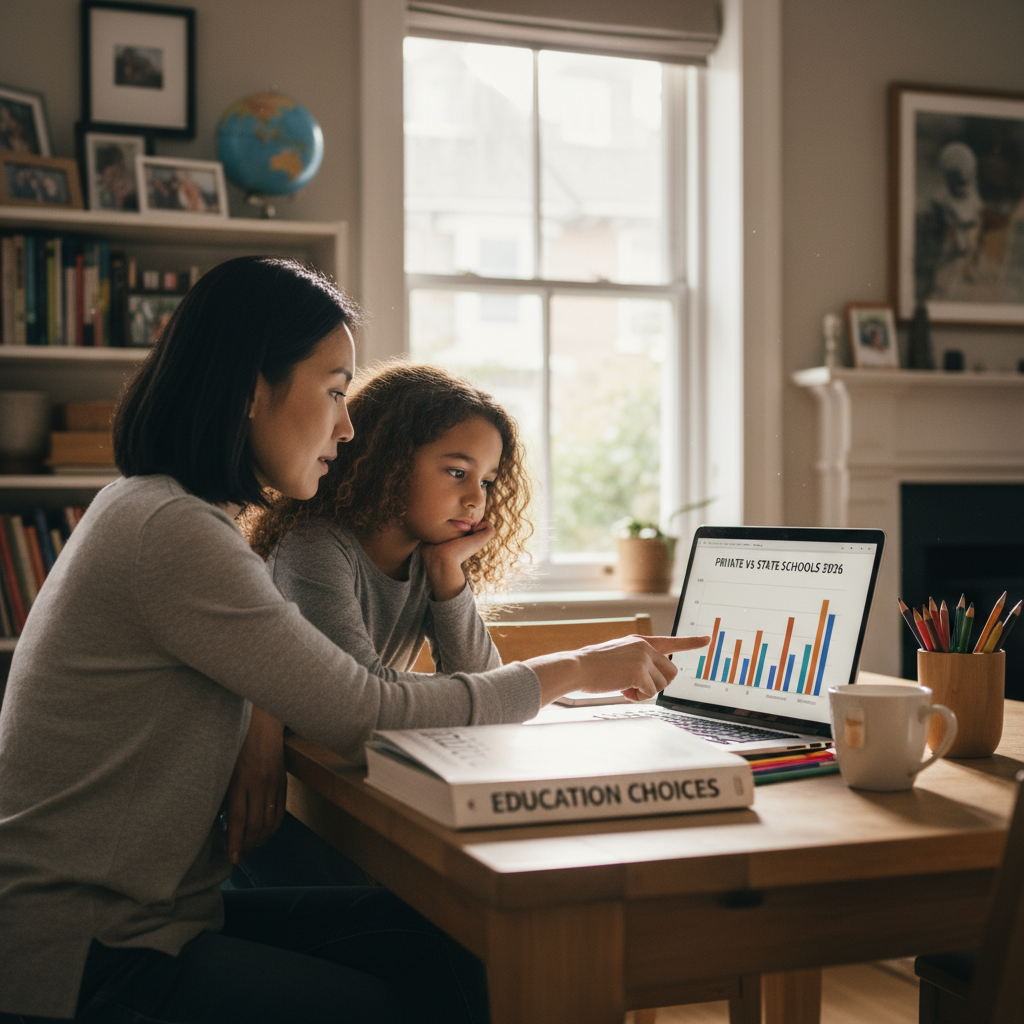
When it comes to the cost-benefit analysis of private vs state schools, there are several factors to consider. Private schools can be very expensive, but they may also offer a more personalized and effective education. State schools, on the other hand, are free to attend, but they may have larger class sizes and fewer resources. To make a decision, you'll need to weigh the pros and cons of each option and consider what's best for your child.
Here are some factors to consider:
- Cost: Private schools can be very expensive, with tuition fees ranging from a few thousand to tens of thousands of dollars per year. State schools, on the other hand, are free to attend.
- Class size: Private schools often have smaller class sizes, which can provide a more personalized education. State schools, on the other hand, may have larger class sizes.
- Resources: Private schools may have better facilities and more resources than state schools, including libraries, laboratories, and sports teams.
Practical Considerations
When choosing between private and state schools, there are several practical considerations to keep in mind. You'll need to think about your budget, your child's needs, and your personal values. You'll also need to consider factors such as location, transportation, and extracurricular activities.
Here are some tips for making a decision:
- Research: Research different schools and their offerings, including their curriculum, extracurricular activities, and support services.
- Visit schools: Visit schools in person to get a sense of their atmosphere and culture.
- Read reviews: Read reviews from other parents and students to get a sense of a school's strengths and weaknesses.
Making a Decision
Ultimately, the decision between private and state schools will depend on your individual circumstances and priorities. You'll need to weigh the pros and cons of each option and consider what's best for your child. By doing your research, visiting schools, and reading reviews, you can make an informed decision that will give your child the best possible start in life.
Remember to browse schools and read reviews to get a sense of the different options available. You can also talk to other parents, teachers, and educators to get their advice and insights. With careful consideration and research, you can make a decision that will give your child a happy, successful, and fulfilling education.